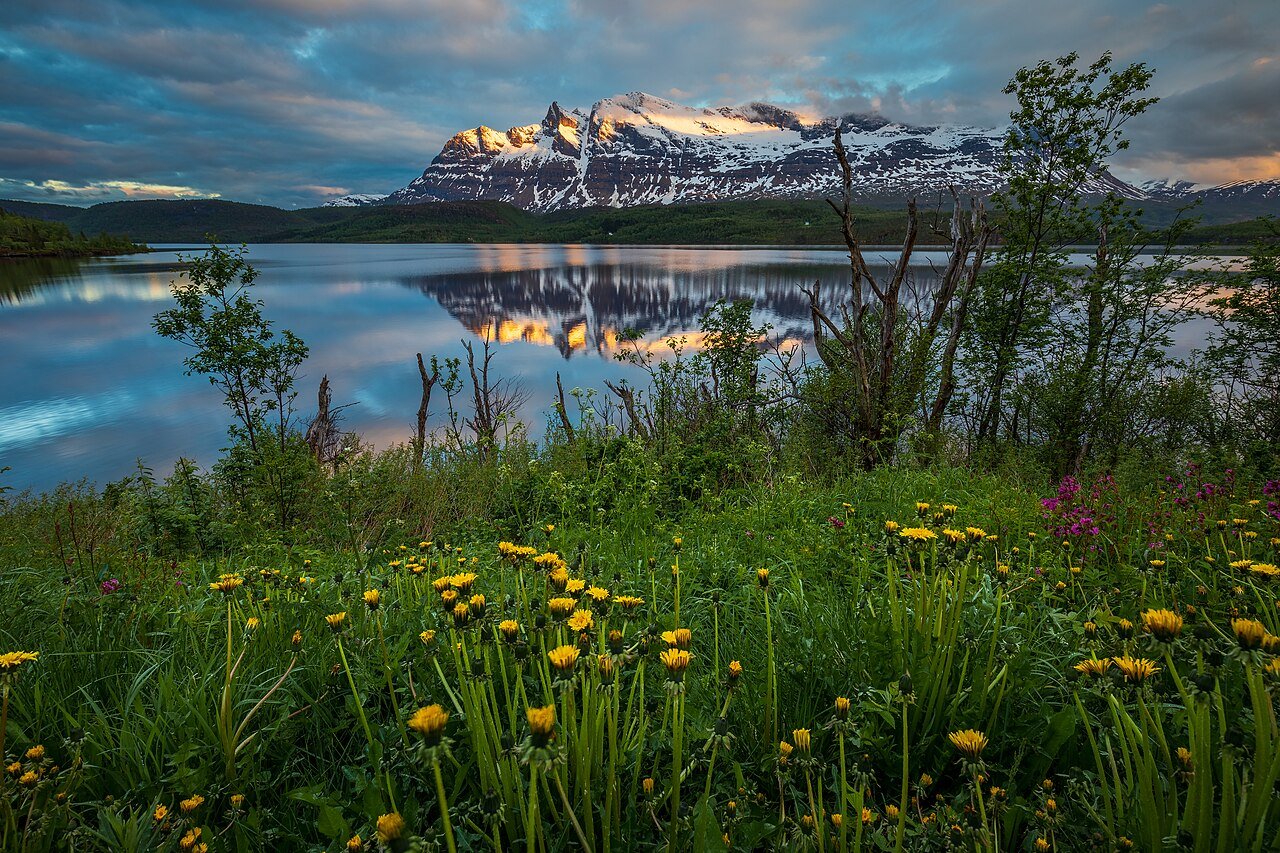
Norway in summer and Norway in winter are so different that experienced travellers often say they feel like separate countries. The landscape, the activities, the light, and even the atmosphere are completely distinct. The right season depends entirely on what you're going for.
If peak summer is your target, read our dedicated Norway in July.
The Core Difference
Winter (November–March) gives you: northern lights, polar night, snow activities (dog sledding, snowmobile, skiing), dramatic white landscapes, and the raw Arctic atmosphere. Summer (June–August) gives you: midnight sun, hiking, fjord kayaking, green landscapes, puffins, and long warm days.
Both are spectacular. Neither is obviously better. It depends on your priorities.
Choose Winter If...
- Northern lights are your primary motivation
- You want snow-based activities (dog sledding, snowmobile, skiing)
- You find the concept of polar night and extreme darkness appealing
- You're interested in Sami winter culture (reindeer sledding)
- Budget allows for higher costs (winter is generally more expensive for flights)
- You handle cold well
Choose Summer If...
- Hiking is the main activity
- Midnight sun and endless daylight appeal more than aurora
- You want fjord scenery at its most dramatic and accessible
- Travelling with children or people who struggle with cold
- You prefer warmer temperatures and more daylight comfort
- Lofoten, Bergen, or the western fjords are your focus
Weather, Daylight and Temperature Reality
Winter daylight hours vary dramatically depending on latitude. In Tromsø (69°N), you get roughly 5 hours of useful daylight in December, with the sun dipping below the horizon entirely from November 21 to January 21 (polar night). In Alta (70°N), it's even shorter. This affects how much activity you can fit into a day.
Temperature averages in Arctic Norway during winter range from −8°C to −15°C, with January and February being the coldest months. Expect windchill to push perceived temperature significantly lower. Summer temperatures in the same regions average 12–15°C, occasionally reaching 20°C on warm July days — pleasant but rarely hot.
Summer in the north (June–August) experiences near-24-hour daylight. The midnight sun reaches its peak around June 21, where the sun barely dips below the horizon. This constant light takes adjustment for some travellers but is ideal for maximizing outdoor time. You can hike, kayak, or explore for 18+ hours if you want.
The Case for Shoulder Seasons
September and October offer a compelling middle ground: autumn colours, first aurora sightings of the season, mild temperatures, and significantly fewer crowds than peak winter or summer. October in particular combines reliable northern lights conditions with snow starting to appear at altitude.
Similarly, April gives you the last aurora chances alongside spring awakening — a unique transitional experience. April also brings the "blue light" period where even during polar night, the sky has a few hours of twilight visibility without full sun or full darkness.
Activity Availability by Season
| Activity | Winter (Nov–Mar) | Summer (Jun–Aug) | Shoulder (Sep–Oct, Apr–May) |
|---|---|---|---|
| Northern Lights viewing | Peak season (best Dec–Feb) | Not visible | Possible Sep–Oct, Apr |
| Dog sledding | Available (Nov–Mar) | Not available | Limited (early Nov, late Apr) |
| Snowmobile safaris | Available (Dec–Mar) | Not available | Not available |
| Hiking & trekking | Alpine only (expert level) | Peak season | Good (Oct better than Apr) |
| Fjord kayaking | Not practical | Excellent | Possible but cold water |
| Fishing | Ice fishing possible | Summer fishing peak | Limited |
| Wildlife viewing (puffins, eagles) | Limited | Peak season (May–Aug) | Declining (Sep) or absent (Apr) |
| Reindeer herding experiences | Available (winter focus) | Limited | Possible (Oct) |
Cost Comparison
Winter (January–February) and summer (July) are the two expensive peaks. Shoulder seasons (October–November, April–May) offer the same experiences at lower prices. A full cost breakdown by month is in the Norway trip cost guide.
Flights to Tromsø from Oslo typically cost 800–1200 NOK return in summer and 1200–1800 NOK in peak winter (late December, mid-January). Accommodation in Tromsø ranges from 800 NOK per night (budget guesthouse) in May or September to 1500+ NOK in July and January. Activity costs remain relatively consistent year-round: dog sledding tours run 1200–1500 NOK, northern lights tours 600–900 NOK, and guided hikes 800–1100 NOK.
Regional Variations: North vs South vs West
Arctic North (Tromsø, Alta, Kirkenes)
Winter dominates the appeal here. Aurora, polar night, and snow activities are what draw most visitors. Summer is less dramatic — you get midnight sun and hiking, but fewer unique experiences. Winter is the obvious choice for this region.
Lofoten Islands
A rare region that works genuinely well in both seasons. Winter offers dramatic aurora over jagged peaks and winter fishing. Summer brings hiking, kayaking, and puffin colonies. Lofoten is one of the few places where the season choice is genuinely 50/50 based on personal preference.
Western Fjords (Geirangerfjord, Nærøyfjord)
Strongly summer-focused. Winter brings heavy snow, limited daylight, and many roads/activities closed. July and August are ideal. These areas are less interesting in winter unless you're specifically seeking winter hiking or ski tours.
What to Know Before You Go
- Winter darkness is real: Many people underestimate how the limited daylight affects mood and energy. If you've never experienced polar night, October or April is a gentler introduction than January.
- Summer's midnight sun can disrupt sleep: Quality blackout curtains are essential. Some travellers adapt fine; others struggle. Book accommodation that explicitly offers darkening options.
- Both seasons require appropriate gear: Winter needs insulated boots (−40°C rated), thermal layers, and quality gloves. Summer still requires waterproof jackets — the north is wet, and 15°C with wind feels cold without proper clothing.
- Book in advance: Peak winter (December–January) and peak summer (July) require accommodation and activity bookings 6–8 weeks ahead. Shoulder season offers more flexibility and cheaper options.
- Road conditions vary seasonally: Winter driving requires winter tires and chains in many areas. Summer roads are fully open, though weather can still change rapidly.
- Northern lights are not guaranteed: Even in perfect season and clear sky, aurora activity is unpredictable. Book tours that offer repeat visits at no extra cost, or accept this as a possible non-event.
Can You Do Both?
Yes — many regular visitors to Norway do. A 10-day trip can potentially cover both if you visit September (aurora possible, hiking still viable) or structure a longer trip with a winter segment in the north and summer segment in the south. But most people find one season more than enough for a single trip. A typical first-time visitor benefits from choosing one season, exploring it fully, then returning for the other season on a future trip.
FAQ: Summer vs Winter Norway Trips
Is January or February better for northern lights?
January is statistically slightly better due to longer polar night hours, but the difference is marginal. Both months offer roughly 4–5 hours of darkness per day in Tromsø. February can be colder (better atmospheric conditions) but also has slightly more daylight. Choose based on weather forecast and accommodation availability rather than assuming one month is definitively better.
What if I visit in winter but don't want to be outside in extreme cold?
Winter in Norway isn't only outdoor activities. Many visitors do glass igloos (heated accommodation with aurora views from bed), indoor museums (the Arctic Cathedral in Tromsø, the Sami Parliament building in Karasjok), warm cafés, and indoor activities like swimming pools. You can also book aurora tours with heated vehicles and warming huts. Winter doesn't require suffering in −20°C; it requires smart planning.
Is summer hotter than I expect?
No. Summer in Arctic Norway is consistently cool. Expect 12–16°C as the daily average in June, July, and August, with occasional warm days reaching 20°C. This is not beach weather. Pack layers and waterproof jackets even in peak summer. The advantage is that you're comfortable hiking all day without overheating, and the constant daylight makes the cool temperature less noticeable.
Which season is better for families with children?
Summer is generally easier with children due to warmer temperatures, longer daylight hours for activities, and better access to trails and water-based activities. Winter can work with families, but requires careful activity planning around limited daylight and cold temperatures. Older children (10+) may enjoy winter more than younger ones. October is a good compromise — mild weather, possible aurora (exciting for kids), and fewer crowds than peak winter.