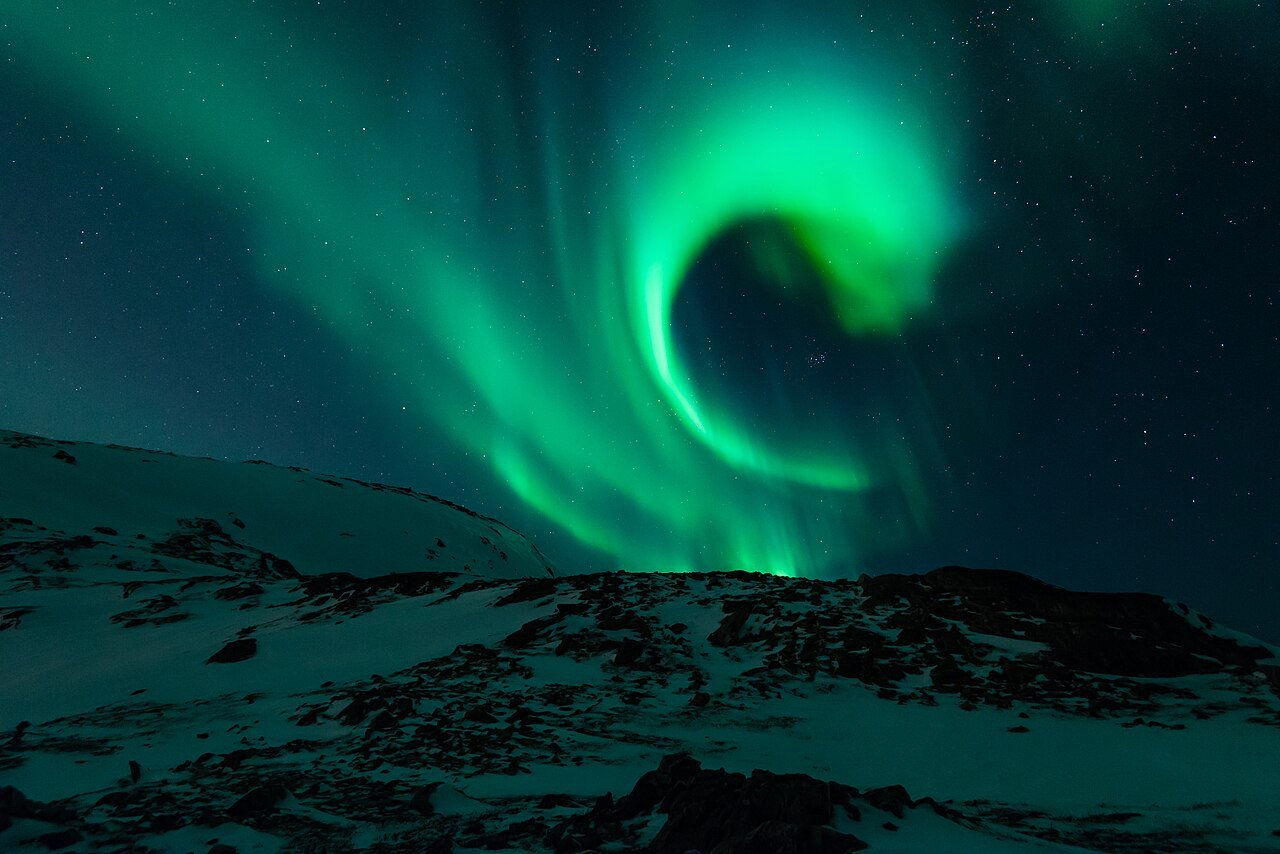
Northern Lights Norway is one of the most searched travel experiences in the world — and for good reason. Norway sits directly under the auroral oval, giving it some of the most reliable aurora borealis displays on the planet. But knowing where to go, when to go, and how to maximize your chances makes all the difference between a blank sky and a memory you carry for life.
This guide covers everything: the best locations, the ideal season, how aurora forecasts work, what gear you actually need, and how to book a trip that is not a waste of money.
Why Norway for Northern Lights?
Most of northern Norway sits between 68° and 71° North — directly inside the auroral zone, the ring around the magnetic pole where geomagnetic activity produces the most consistent aurora displays. Unlike Iceland (popular but weather-dependent) or Swedish Lapland (inland, less maritime), Norway combines:
- A long coastline with milder temperatures than its latitude suggests
- Multiple destinations at different distances from the pole
- Excellent infrastructure (hotels, tours, airports) even in remote areas
- Dark fjords and dramatic landscapes that make aurora photos exceptional
The result: Norway is the most accessible and logistically straightforward country in the world for dedicated northern lights hunting.
Not sure which destination to choose? We compare Tromsø, Alta, Svalbard and the fjords in our guide to the best places to see the northern lights in Norway.
Best Time to See the Northern Lights in Norway
The aurora season in Norway runs from late September to late March. Outside this window, the sky never gets dark enough — the midnight sun keeps the horizon bright well past midnight from late April to mid-August.
Peak months: October, February, March
While any night from late September to late March can produce aurora, three months stand out:
- October: Early season. Nights are long, snow is starting, prices have not peaked yet. The autumn colours at lower elevations are still visible.
- February: The auroral equinox effect — geomagnetic activity measurably increases around the equinoxes. February combines this with stable winter conditions.
- March: The equinox effect again, plus slightly longer daylight for daytime activities. Tromsø and Alta are still fully winter destinations.
Avoid: December and January for beginners
December and January are peak season for bookings but not necessarily peak season for aurora activity. Polar night (24-hour darkness) in Tromsø and Alta means every hour is theoretically a viewing hour — but it also means more clouds, colder temperatures, and more expensive hotels. If this is your first trip, February or March gives you better odds and lower prices.
Best Locations to See Northern Lights in Norway
Every location above the Arctic Circle can produce aurora displays, but some destinations consistently outperform others due to geography, clear-sky statistics, and darkness levels.
Tromsø
The most popular northern lights destination in Norway — and the world. Tromsø sits at 69°N, has a major international airport, and offers more aurora tour operators per square kilometer than anywhere else on the planet. The downsides: it is expensive, heavily touristed, and the coastal weather is unpredictable. But the infrastructure is unmatched. First-timers often start here.
Alta
Alta is 70°N and consistently records more clear-sky nights than Tromsø, largely because it sits inland from the coast where weather systems stall. The Northern Lights Cathedral (Aurora Borealis Cathedral) was built here for a reason. Alta is quieter, cheaper, and statistically drier than Tromsø. It is the best alternative for those who have already done Tromsø and want better odds.
Finnmark — the underrated choice
Finnmark is the northernmost and easternmost county of Norway, and it is where the serious aurora hunters go. Destinations like Kirkenes, Kautokeino, Karasjok, and the plateau above Honningsvåg offer:
- Higher latitude = stronger geomagnetic activity required, but more dramatic displays when they occur
- Far fewer tourists and light pollution
- Sami cultural experiences alongside the aurora
- Access to the North Cape (Nordkapp) during winter
The trade-off: getting to Finnmark requires an extra flight or a long drive. But if you want to see the northern lights without 200 other tourists pointing cameras in the same direction, this is your destination.
Svalbard
At 78°N, Svalbard offers polar night from late October to mid-February — four months of 24-hour darkness. Aurora displays here can be seen at noon. The downside: Svalbard is expensive, cold (-20°C to -30°C is common), and requires more planning. It is the most extreme northern lights destination accessible without a research expedition.
How Northern Lights Forecasts Work
Understanding the forecast is what separates experienced aurora hunters from disappointed tourists. There are two variables that determine whether you see aurora: geomagnetic activity and cloud cover.
The Kp index
The Kp index measures global geomagnetic activity on a scale from 0 to 9. In northern Norway:
- Kp 0-1: Aurora only visible at very high latitudes (Svalbard, northern Finnmark). Faint.
- Kp 2-3: Visible across Tromsø, Alta, and Finnmark on a clear night. The most common productive nights.
- Kp 4-5: Strong activity. Visible further south, more dramatic curtains and colors.
- Kp 6+: Major storm. Visible from southern Norway and sometimes from Scotland or northern Germany.
The best free tools for checking Kp forecasts: NOAA Space Weather for 3-day forecasts and SpaceWeatherLive.com for real-time alerts. The My Aurora Forecast app gives location-specific alerts when aurora is likely visible above you.
Cloud cover is the bigger problem
A Kp5 storm is useless if you are standing under 100% cloud cover. Norwegian coastal weather is maritime and unpredictable. This is why experienced aurora hunters either:
- Book at least 5 nights minimum to wait out cloud cover
- Join a guided chase tour — operators drive 100-300km to find clear skies
- Base themselves in Alta or inland Finnmark, which have significantly better clear-sky statistics than coastal Tromsø
Northern Lights Tours vs Self-Drive
This is the most important practical decision you will make when planning your trip.
Guided tours
The standard Tromsø aurora minibus tour costs €80-130 per person and includes a guide who monitors the forecast in real time and drives to the best location. Most also include a warm meal and hot drinks at a camp in the field. The advantage: the guide does all the logistics. The disadvantage: you are in a group of 8-15 people and have limited control over where you go or how long you stay.
For first-timers who do not want to drive in Norwegian winter conditions, a guided minibus tour is the right choice.
Self-drive aurora hunting
Experienced winter drivers and photographers often prefer to self-drive. This requires:
- A winter-ready rental car — studded tires (piggdekk) are mandatory, not optional. Most Oslo-based rentals do not include them. Book from local Tromsø or Alta rental companies.
- Knowledge of Norwegian road conditions apps (Vegvesen.no for live road status)
- Understanding of convoy driving rules (Kolonnekjøring) if heading to the North Cape in winter
Self-driving gives you complete freedom to chase clear skies across hundreds of kilometers and stop exactly where the composition is best for photography. If you are comfortable with winter driving, it produces far better results than a guided tour.
What to Wear for Northern Lights Hunting
You will be standing outside, often stationary, for 1-3 hours in temperatures between -5°C and -25°C. This is not casual cold. Standing in -15°C without proper gear ends your evening in under 20 minutes.
The layering system that works:
- Base layer: Merino wool next to skin — not cotton, which becomes cold and clammy when damp. Icebreaker and Smartwool are the standard choices.
- Mid layer: Fleece or down jacket. Down is warmer for the weight; fleece handles moisture better.
- Outer layer: Windproof and waterproof shell. Norwegian weather can produce wind, sleet, or snow at any point.
- Legs: Merino base layer + insulated trousers. Ski trousers over thermal leggings is a practical combination.
- Feet: Wool socks + winter boots rated to at least -20°C. The Sorel Caribou or similar insulated boot is widely used. Do not rely on hiking boots in deep Arctic conditions.
- Hands: Liner gloves + mittens over them. You will take your mittens off to use your phone or camera — liner gloves prevent frostbite during those minutes.
- Head: Wool hat covering your ears. Balaclava for temperatures below -15°C.
Northern Lights Photography: Basics
You do not need a professional camera, but your phone will underperform. Cameras with manual controls produce far better aurora photos. Key settings:
- ISO: 800-3200 (start at 1600)
- Aperture: As wide as your lens allows (f/1.8-f/2.8)
- Shutter speed: 5-15 seconds (longer = more blur if aurora is moving fast)
- Focus: Manual, set to infinity (AF will hunt and fail in the dark)
- Tripod: Non-negotiable. Any movement during a 10-second exposure destroys the shot.
Modern smartphones (iPhone 15 Pro, Pixel 8, Samsung S24) have dedicated astrophotography modes that work reasonably well for aurora if you use a tripod or prop the phone against a solid surface. Results will still be softer and noisier than a mirrorless camera, but they are publishable.
Costs: What to Budget for a Northern Lights Trip to Norway
Norway is an expensive country. A realistic 5-night northern lights trip from Western Europe costs:
- Flights: €150-400 return to Tromsø or Alta from major European hubs
- Accommodation: €80-200/night for a decent hotel in Tromsø; €50-120 in Alta or Finnmark
- Aurora tours: €80-130 per person per night (plan for 3-4 tours over a 5-night stay)
- Food: €40-70 per day eating at restaurants; €20-30 if you self-cater
- Car rental (optional): €60-120/day with winter tires
A realistic 5-night trip for one person, including flights, accommodation, and 3 tours, costs €1,200-2,000 from Western Europe. Couples or small groups travelling together reduce per-person costs significantly through shared accommodation and car rentals.
Frequently Asked Questions
Can you see the northern lights from Oslo?
Rarely. Oslo is at 60°N, which requires a Kp7+ geomagnetic storm — a rare event. For reliable northern lights, you need to be above the Arctic Circle (66.5°N minimum). Tromsø, Alta, Kirkenes, and Svalbard all sit well above this threshold.
How many nights do I need?
A minimum of 4 nights, ideally 5-7. Aurora hunting involves waiting for the combination of geomagnetic activity and clear skies. With 3 or fewer nights, cloud cover alone can eliminate your entire window. Most experienced hunters book 6-7 nights and consider 4+ nights a successful trip if they see aurora 2-3 times.
Is Norway or Iceland better for northern lights?
Norway has better clear-sky statistics in the inland areas (particularly Alta and Finnmark) and far better infrastructure for multi-day trips. Iceland is easier to reach from North America and has dramatic volcanic landscapes. Neither is definitively better — Iceland wins on landscape diversity; Norway wins on aurora reliability if you base yourself in Alta or Finnmark rather than the coast.
Can you predict northern lights 2 weeks in advance?
Not accurately. Reliable aurora forecasts exist for the next 1-3 days based on solar wind data from the NOAA DSCOVR satellite. Longer-range forecasts (7-27 days) based on solar rotation are possible in rough terms but are not reliable enough to book specific nights around. Book your trip for the right season, then monitor the 3-day forecast when you arrive.
What if I don't see the northern lights?
It happens. Cloud cover, low geomagnetic activity, or both can produce a blank trip. Strategies that reduce this risk: booking more nights, choosing Alta over Tromsø, joining a guided chase tour that can drive to clear skies, and travelling in February or March when activity statistically peaks. No operator — anywhere in the world — can guarantee a sighting.