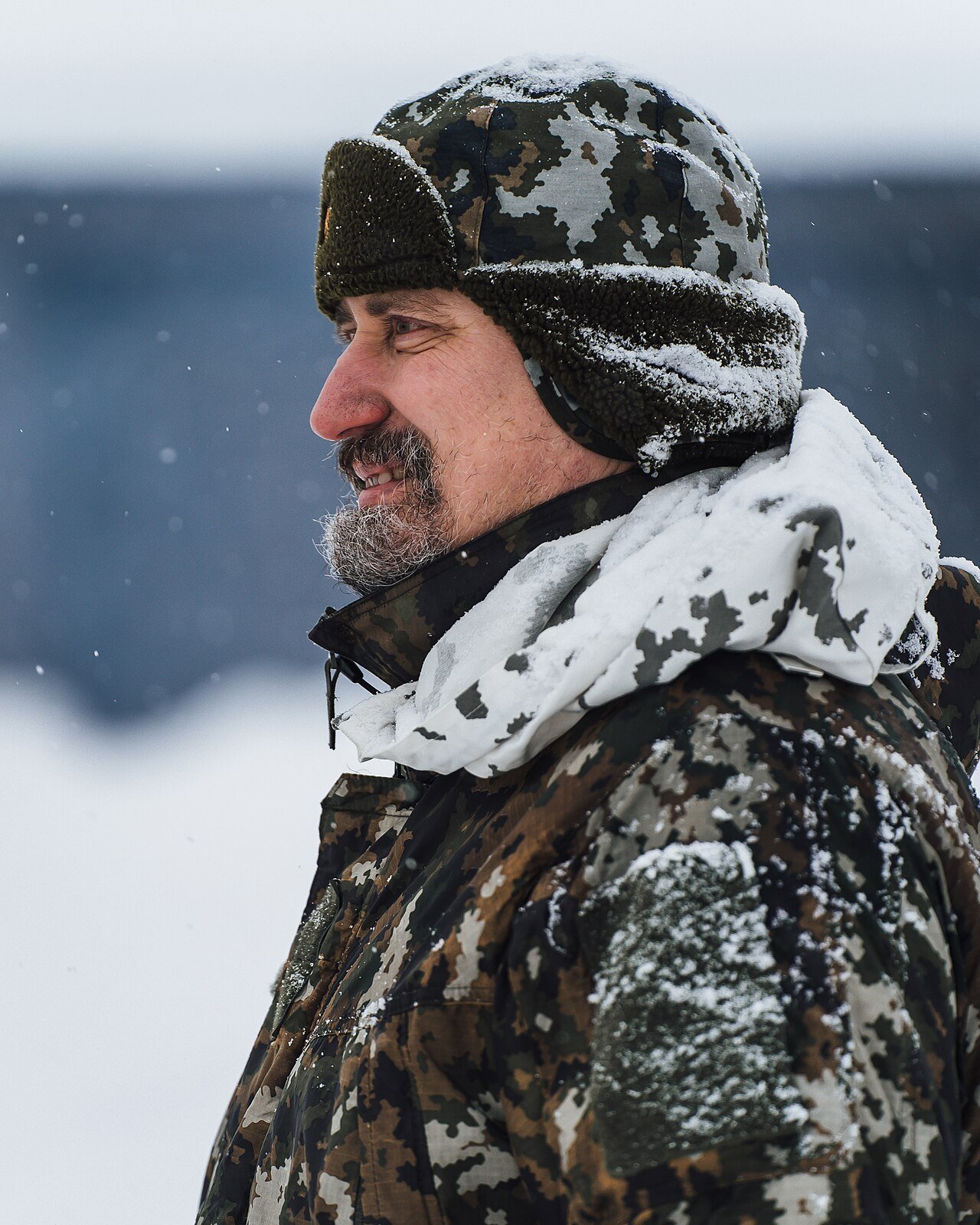
Packing for an Arctic Norway trip in winter is not the same as packing for a cold city break. The temperature range you need to cover is -5°C to -30°C, the activities range from sitting in a heated vehicle to standing motionless outside for two hours in a -20°C wind, and the difference between the right gear and the wrong gear is not discomfort — it is whether the trip works at all.
Staying connected is part of safety in the Arctic — read our Norway SIM card and WiFi guide.
This list is built around a 5-7 night trip to Arctic Norway (Tromsø, Alta, Finnmark) in winter, covering northern lights hunting, a mix of guided and self-drive experiences, and potential daylight activities like dog sledding or snowmobile safaris.
The Core Principle: Layering
Everything in Arctic dressing starts with the layering system: three functional layers that can be added or removed as your activity level and temperature change. This is not marketing copy — it is how the body manages heat and moisture in extreme cold, and understanding it changes how you pack.
- Base layer: Moves sweat away from your skin. Must be wool or synthetic — never cotton. Cotton absorbs moisture and holds it against your skin, creating dangerous heat loss when you stop moving.
- Mid layer: Traps warm air. Fleece or down depending on whether you need to handle moisture (fleece) or maximise warmth for the weight (down).
- Outer layer: Blocks wind and precipitation. Waterproof and windproof shell. In Tromsø especially, coastal weather can turn wet at any point.
Upper Body
Base layer tops (x2)
Merino wool is the standard. It regulates temperature better than synthetic across a wider range, does not retain odour after multiple days of use, and feels good directly against the skin unlike cheaper wool blends. Icebreaker 200-weight and Smartwool 150-weight are the benchmark products. Two tops let you rotate — wear one while the other dries.
Mid layer (x1 fleece + x1 down jacket)
Bring both. The fleece goes between the base and the shell when you are active — hiking to a viewpoint, walking in the city. The down jacket replaces or supplements the fleece when you are stationary — standing outside during a northern lights display for 90 minutes. Down's warmth-to-weight ratio is unmatched for stationary cold, but it loses insulation value when wet, which is why the fleece is also in the bag.
Outer shell jacket
Waterproof and windproof. In Tromsø, coastal sleet is a real possibility. Further inland in Finnmark, the concern is less rain and more wind chill. The shell should fit over your down jacket — check this at home before you travel. Many people buy a jacket that technically fits over a thin fleece but does not close properly over a puffer.
Lower Body
Base layer leggings (x2)
Same principle as the top: merino wool, not cotton. Two pairs allows rotation. These are worn every day under your outer trousers.
Insulated outer trousers
Ski trousers or snowboard trousers — waterproof outer, insulated lining, built-in gaiters at the ankle to seal out snow. Non-negotiable for outdoor activities in deep Arctic conditions. Jeans and walking trousers are inadequate below -10°C when you are standing still.
Feet
Foot cold is the most common complaint from first-time Arctic visitors. The reason is usually one of two things: inadequate boots, or wearing too many socks inside boots that are too tight (compressed insulation does not work).
Winter boots rated to at least -20°C
This is not the category to compromise on. Hiking boots, fashion snow boots, and standard winter boots rated to -10°C will all fail when you are standing on the North Cape plateau in a -18°C wind. The Sorel Caribou (rated to -40°C), Kamik Nation boots, and Baffin Impact are all proven products in this temperature range. Choose a size slightly larger than normal to accommodate a wool sock without compressing the insulation.
Wool socks (x3 pairs)
One pair on, one clean, one drying. Merino wool socks — Darn Tough and Smartwool are the standard — are significantly warmer and more durable than cotton or synthetic alternatives. Do not wear two pairs of socks inside your boots unless the boots are specifically sized for it: the compression eliminates insulation value and cuts circulation.
Boot insoles
Superfeet or similar insulating insoles add meaningfully to warmth for very little weight and pack size. Worth including if you know you run cold in the feet.
Hands
Hands are the most logistically complex body part to dress in the Arctic because you will be taking your outer gloves off constantly — to use a phone, adjust camera settings, open a car door. The solution is a two-layer system.
Liner gloves
Thin merino wool or fleece gloves worn continuously under your outer mittens. When you remove the mittens, the liners provide enough warmth for 5-10 minutes of manual dexterity before cold becomes a problem. Without liners, bare skin in -15°C air gives you about 90 seconds before your fingers are too numb to operate a camera.
Mittens (not gloves)
For extended outdoor standing — northern lights watching, snowmobile tours, reindeer sleigh rides — mittens outperform gloves significantly. Fingers together inside a mitten retain far more heat than individual fingers in a glove. Waterproof outer shell with an insulated inner is the standard construction. At -20°C and below, mittens are not optional.
Head and Face
Wool hat (covers ears)
The standard is a merino wool beanie that covers the ears. For temperatures above -10°C, this is often sufficient. Below that, move to a balaclava or add a neck gaiter that can be pulled up over the lower face.
Balaclava
For the North Cape plateau in deep winter, the snowmobile plateau, or any situation where wind chill exceeds -25°C, a balaclava covering the nose and cheeks prevents frostbite. Merino wool over a thin synthetic is the most comfortable combination.
Neck gaiter
Lighter and more versatile than a balaclava. Can be worn as a scarf, pulled up over the face, or worn over a hat. Worth including as a transitional layer for activities in the -5°C to -15°C range.
Ski goggles
Essential for snowmobile tours and exposed conditions (North Cape plateau in wind). Sunglasses are not a substitute in driving wind and cold — they do not seal against the face. One pair of full-coverage goggles weighs almost nothing and is invaluable when you need it.
Electronics in Cold Weather
Cold kills batteries faster than almost anything else. This requires specific preparation.
Smartphone
At -15°C, a modern smartphone battery can drop from 100% to 20% in under an hour of outdoor use. Keep your phone inside your inner jacket pocket (against your body) when not in active use. For aurora photography, pull it out, shoot, and return it to warmth immediately. Consider a small hand warmer packet in the same pocket.
Camera
Bring at least one spare battery and keep it inside your jacket. Mirrorless cameras (Sony, Fujifilm) are generally more cold-tolerant than DSLR bodies, but all lithium batteries degrade in the cold. When bringing a cold camera into a warm indoor space, seal it in a plastic bag first — the condensation forms on the bag, not on the optics and electronics.
Portable power bank
Keep a 20,000mAh power bank inside your jacket pocket at all times. In the field, it can charge your phone without requiring you to return to the vehicle. Keep it warm — a cold power bank delivers a fraction of its rated capacity.
Toiletries and Health
- Lip balm: Arctic air and wind causes severe chapping. Apply preemptively, not reactively.
- Heavy moisturiser: Dry, cold air rapidly dehydrates exposed skin. A thick face cream or barrier cream applied before going outside prevents painful chapping.
- Eye drops: Cold dry air causes discomfort for contact lens wearers. Glasses fog less in the cold but can be a problem in snow; goggles over glasses is a solution.
- Ibuprofen: Cold increases muscle tension and exacerbates existing joint pain. Worth having.
- Rehydration tablets: Dehydration in cold environments is counterintuitive but real — you breathe out significant moisture and often drink less than in summer.
What Not to Pack
- Cotton anything: Jeans, cotton socks, cotton base layers — all wrong for Arctic temperatures. Cotton does not insulate when damp and dries slowly.
- Excessive luggage: You will be wearing most of what you need daily. The actual packing list for a 7-night trip is compact — a medium-size backpack plus a small carry-on covers everything if you choose gear intelligently.
- Dress shoes or fashion boots: They are useless below -10°C and provide zero traction on compacted snow and ice.
- "Hand warmers as a substitute for proper gloves": Hand warmers are a supplement, not a replacement. They help in a pinch but do not substitute for insulated mittens in sustained cold.
Full Packing Checklist
Clothing
- Merino wool base layer tops x2
- Merino wool base layer leggings x2
- Mid-weight fleece or softshell jacket x1
- Down jacket x1 (fits under outer shell)
- Waterproof windproof outer shell jacket x1
- Insulated waterproof ski trousers x1
- Liner gloves (merino or fleece) x1 pair
- Insulated waterproof mittens x1 pair
- Wool hat (ear-covering) x1
- Balaclava x1
- Neck gaiter x1
- Ski goggles x1 pair
- Winter boots rated -20°C+ x1 pair
- Merino wool hiking socks x3 pairs
- Casual indoor clothes for evenings (light layers)
Gear
- Camera with spare battery x2
- Tripod (compact travel tripod is fine for aurora photography)
- Memory cards x2
- Power bank 20,000mAh
- USB-C / Lightning cables
- Plug adaptor (Norway uses Type F, 230V)
Toiletries and health
- Heavy face moisturiser
- SPF lip balm
- Eye drops
- Ibuprofen
- Rehydration tablets
- Hand sanitiser
- Any prescription medication in original packaging
Documents and logistics
- Passport or EU ID card (Norway is Schengen but not EU)
- Travel insurance documentation (with medical evacuation cover — worthwhile in remote Arctic areas)
- Accommodation confirmations printed or saved offline
- Car rental confirmation with winter tire specification confirmed