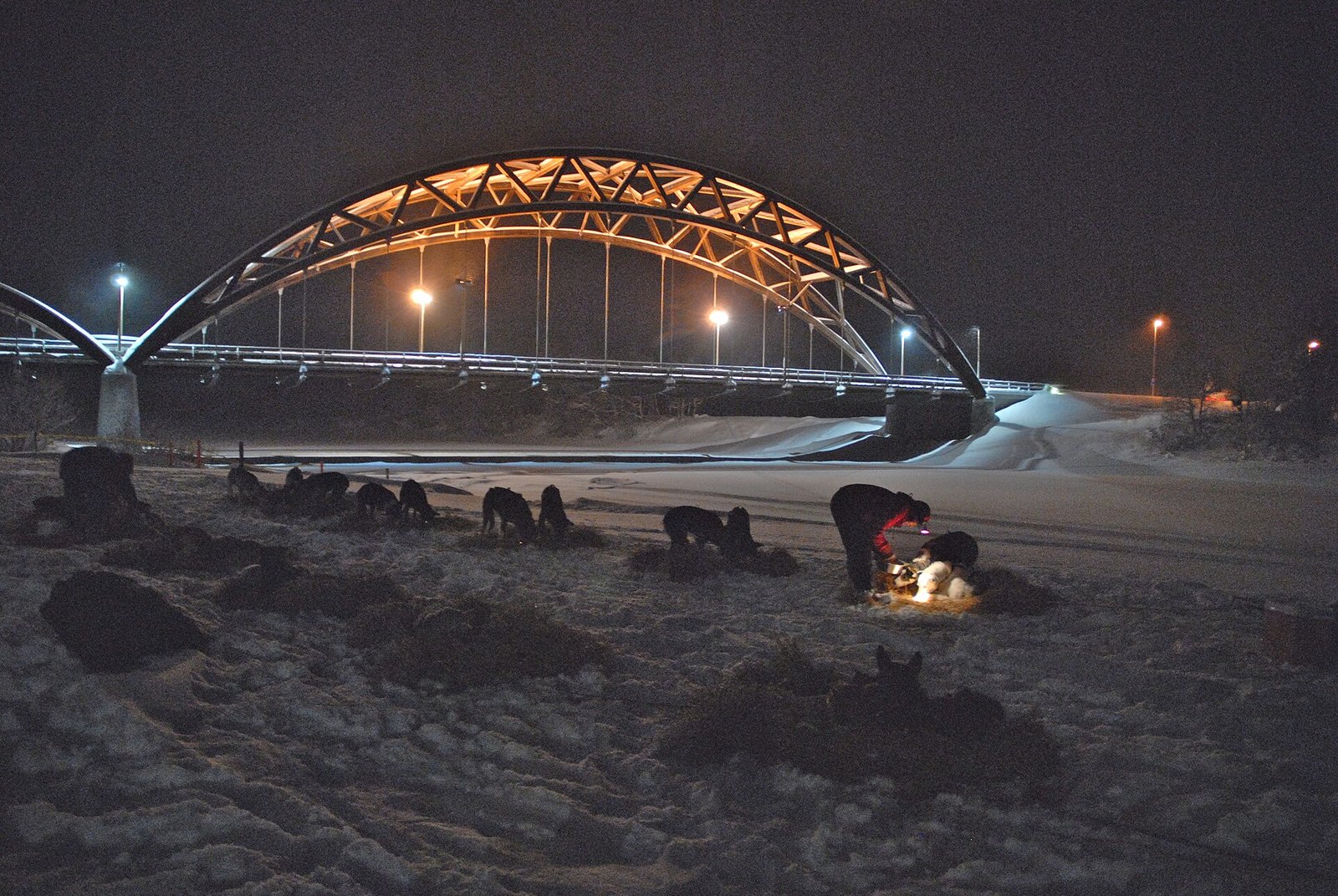
Dog sledding is one of Arctic Norway's defining winter experiences — the sound of a sled team accelerating into a snow-covered forest, the breath of fifteen huskies hanging in cold air, the silence when you stop. Most visitors see it as a 2-hour activity. Done properly, it's a multi-day expedition into the Arctic interior. Here's how to navigate the options.
Types of Dog Sledding Tours in Norway
The range is enormous. At one end: 2-hour beginner safaris where you drive your own team for a short forest loop with a guide alongside. At the other: 4–7 day self-drive expeditions covering 100–200km of mountain terrain, sleeping in wilderness cabins. Most visitors book something in between — half-day or full-day tours that give genuine mushing experience without the commitment of an expedition.
- 2-hour intro tour: learn basic commands, short route, guide in lead sled — €80–120
- Half-day (4 hrs): more terrain, you drive independently, lunch break — €140–200
- Full day (7–8 hrs): significant distance, wilderness lunch, proper mushing experience — €200–300
- Multi-day expedition: wilderness cabin overnight, 50–150km total — €800–1,500
Best Dog Sledding Destinations in Norway
Tromsø has the most operators and the widest range of tour types — easiest for first-timers. Alta and Kautokeino in Finnmark offer more remote routes with less touristic atmosphere. Kirkenes in eastern Finnmark has strong mushing culture with access to the border terrain. For multi-day expeditions, operators based outside the major cities offer the most authentic routes.
Driving vs Being Driven
Most tours give you the option to drive your own sled — take it. Being a passive passenger misses the point. Driving requires minimal skill but significant physical presence: standing on the brake, shifting weight on corners, building trust with the team. After 30 minutes you'll have figured out the basics. After 3 hours you'll understand why people do this for weeks.
The Dogs
Norwegian huskies used for touring are working dogs bred specifically for this. They're athletic, focused, and genuinely enthusiastic about running — kennel time before departure involves significant noise and energy as dogs are harnessed. You'll be encouraged to interact with them before and after. Reputable operators work with a maximum of 2–3 tourists per guide to ensure welfare standards.
When to Book
Snow season for dog sledding typically runs December through late March in northern Norway, depending on conditions. January and February are peak with the best snow guarantee. Book at least 6–8 weeks ahead for popular kennels in January and February — prime slots fill quickly. Full cost breakdown by activity type.
Combining with Northern Lights
A morning dog sled tour followed by an evening aurora chase is the classic combination day in Arctic Norway. The physical contrast — active and warm during the day, cold and still at night — makes both experiences feel more vivid. Most Tromsø visitors structure at least one day this way.
What It Costs
Short introductory tours (1–2 hours) typically run NOK 1,200–1,800 per person. Half-day tours cost NOK 2,500–3,500. Full-day expeditions with lunch included range from NOK 4,000–6,500. Multi-day wilderness trips can reach NOK 15,000–25,000 per person.
Most operators charge per sled, not per person. Two people sharing one sled is usually cheaper than booking solo. Confirm this when comparing prices — the difference can be NOK 1,000 or more.
What to Wear
Most reputable operators provide full outer suits, boots, and gloves rated to −30°C. Do not rely on your own ski jacket — standing still on a sled at speed in Arctic wind is far colder than skiing.
Wear merino wool or synthetic base layers. Avoid cotton entirely. Bring a thin fleece mid-layer. Hand and toe warmers are worth packing even if the operator provides gloves.
- Base layer: merino wool or synthetic, long-sleeved top and leggings
- Mid layer: fleece or down jacket
- Outer layer: provided by operator in most cases — confirm when booking
- Extras: thin liner gloves, wool socks, balaclava
Fitness and Age Requirements
Dog sledding is accessible to most fitness levels. Driving your own sled requires balance and the ability to operate a foot brake — no prior experience is needed, but a basic level of mobility helps. Passenger sleds have no physical requirements.
Minimum ages vary by operator, typically 4–6 years for passenger seats and 16–18 for driving. Some operators allow younger children to drive short stretches with adult supervision. Check the specific policy before booking with kids.
Booking Logistics
The peak season runs from late November to late March. Popular operators in Tromsø and Alta sell out weeks in advance during January and February. Book at least 6–8 weeks ahead for peak dates, especially around the Christmas and New Year period.
Most tours require a minimum group size of two. Solo travellers can usually join shared departures, though these are less commonly offered — email the operator directly to ask. Cancellation policies vary widely; check whether travel insurance covers activity cancellations before paying a deposit.
Common Mistakes to Avoid
- Booking the cheapest option without checking sled-to-guide ratios — smaller groups get more instruction
- Underestimating cold exposure on short tours; even 90 minutes outside in −15°C requires proper layering
- Assuming all operators are equivalent — read recent reviews on Google and TripAdvisor, not just the operator's own site
- Forgetting that snow conditions vary; late-season tours (March) may have shorter routes due to melting trails