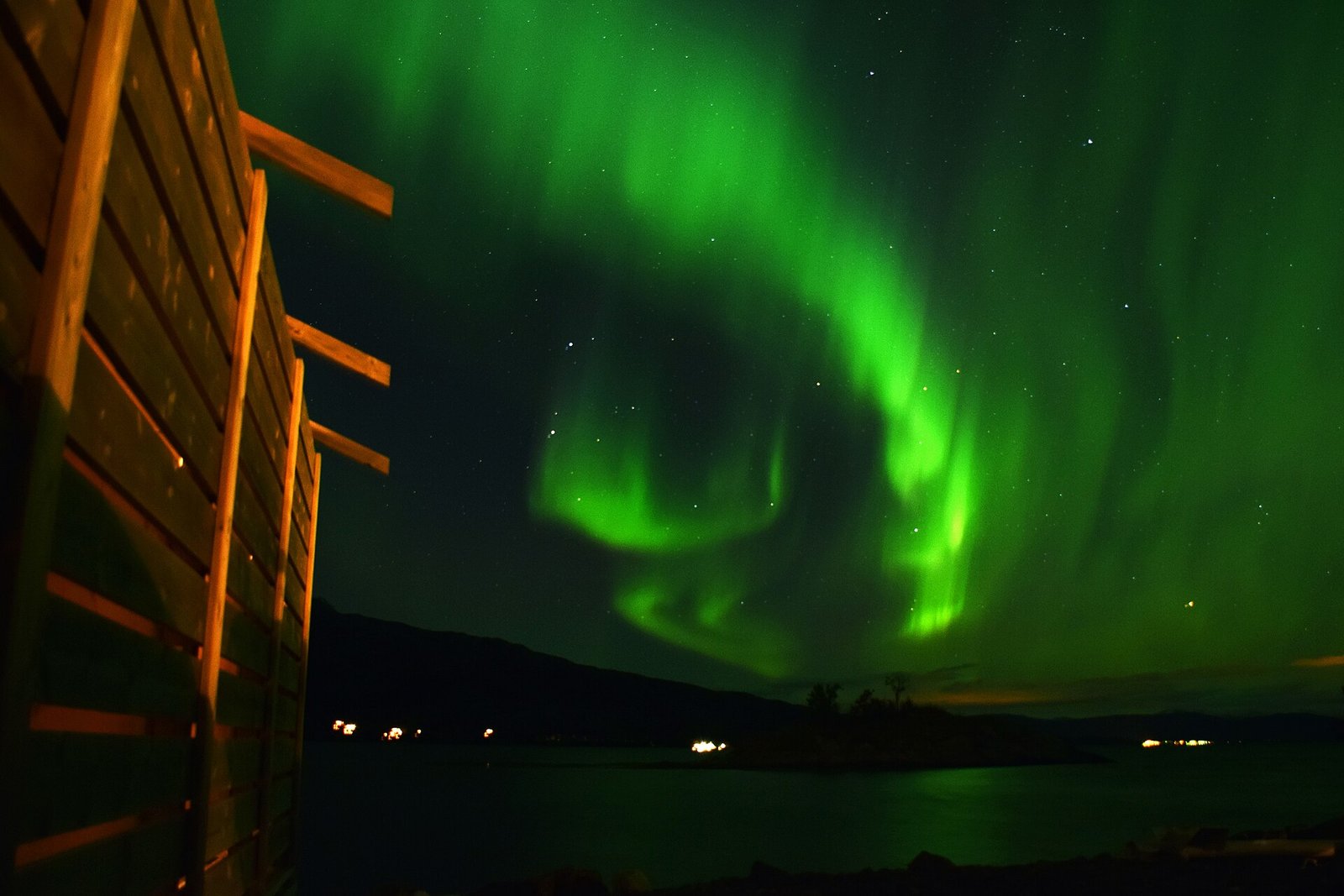
The northern lights are one of the most hyped natural phenomena on Earth. The gap between the Instagram version and reality can be jarring — not because the aurora isn't spectacular, but because first-time visitors arrive with unrealistic expectations about how it works. This guide sets the record straight, so your first trip is planned around reality.
What the Northern Lights Actually Look Like
Photographs of the northern lights, taken with cameras on 5–15 second exposures, look nothing like what your naked eye sees on a moderate display. The greens are deeper, the structure is sharper, and everything appears more vivid in photos than in person. A Kp3 display seen in person looks like a faint white-green glow or moving cloud. A Kp5+ display looks like actual dancing green curtains — spectacular and unmistakeable.
The takeaway: a 'good' display for photography is moderate for the naked eye. A 'stunning' display for your eyes is rare and requires both high Kp and clear skies simultaneously. It happens — just not every night. Most people who visit for 5–7 nights in peak season see at least one solid display.
When to Go: The Honest Answer
The aurora season runs September to March. The best months for combining geomagnetic activity, dark nights, and reasonable weather are January and February. December offers maximum darkness but more cloud cover on the coast. March has improving weather and still-dark nights. The complete seasonal guide covers each month in detail.
The absolute minimum to justify the trip: 5 nights. Less than that and you're gambling heavily on weather. More than that is better for everyone who can manage it.
Where to Go
For a first-time trip, Tromsø is the obvious choice: well-connected flights, the widest range of tours, good hotels across all budgets, and enough activities to fill cloudy nights. Alta is the better choice if you've done Tromsø before or prioritise clear-sky statistics over convenience.
- Tromsø: best all-round first-timer choice
- Alta: better weather, less touristy, good if sky clarity is priority
- Kirkenes: add for king crab, Russian border atmosphere
- Svalbard: save for second trip — extreme and expensive
Guided Tour or Self-Drive?
For a first trip, at least one guided tour is worth it. Guides know the local sky patterns, have local weather contacts, and drive you to positions you won't find on Google Maps. After that first night experience, many travellers prefer self-driving for subsequent evenings — more flexibility, lower cost, and you've learned the basics from the guided experience.
Apps You Actually Need
Space Weather Live (Kp alerts), Yr.no (cloud cover forecast — more accurate than weather apps for this region), and your camera app. The full app guide explains how to read each one and when to act.
Set a Kp alert at ≥3. When it fires, immediately check Yr.no for cloud cover in a 100 km radius around your location. If you see clear sky within driving distance, go immediately — windows can be 30 minutes to 3 hours.
Photography: The Basics
You don't need expensive gear. A phone on a tripod with the night mode set to 10+ seconds will produce respectable aurora photos. A mirrorless or DSLR with a wide-angle lens (16–24mm) shot at f/2.8, ISO 1600–3200, 5–10 second exposure captures the lights well. The full photography guide covers this in detail.
The most important thing is a tripod. Handheld shots of the aurora are blurred and disappointing. Any €20 travel tripod works better than hand-holding.
Managing Expectations
The aurora doesn't perform on a schedule. It appears when geomagnetic activity and clear skies align. You might see a spectacular display on night one. You might see nothing for four nights and then watch curtains of green fill the sky at 11 PM on your last night. The uncertainty is part of it.
If you are still deciding where to base yourself, read our comparison of the best places to see northern lights in Norway.
Before you land, sort your connectivity — our Norway WiFi and SIM card guide.
The best first-time aurora trips are the ones where people are genuinely excited about the destination beyond just the lights — the snow activities, the Arctic atmosphere, the food, the culture. If northern lights are the only reason you're going, you're setting yourself up for potential disappointment. If they're the highlight of a richer trip, they'll deliver every time you actually see them.