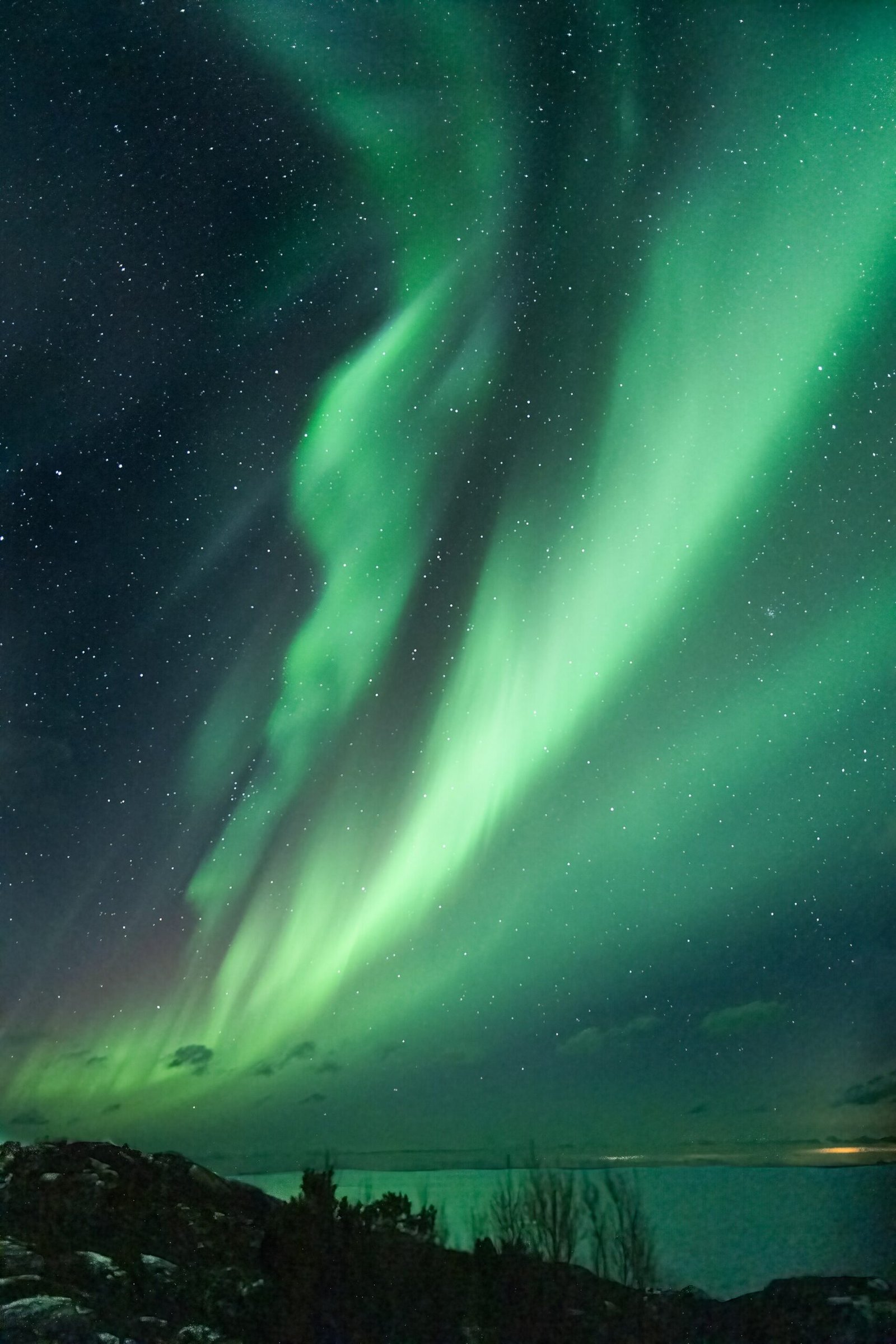
The northern lights season in Norway runs from late September to late March — that's when there's sufficient darkness to see the aurora. But not all months are equal. Here's an honest month-by-month breakdown to help you pick the right time for your trip.
Comparing destinations as well as months? Read our Norway vs Finland northern lights guide.
September: Season Opens
Northern Norway gets its first dark nights back in late August, with September seeing the aurora return properly. The autumn equinox (around September 21) produces a geomagnetic boost that often results in strong displays. Temperatures are cool but manageable (-5°C to 5°C), autumn colours are at peak, and crowds are low.
Verdict: Underrated month. Good aurora chances, beautiful landscapes, lower costs. Limited winter activities (no husky or snowmobile yet).
October: Building Activity
Nights are lengthening rapidly. By late October, Tromsø has 14+ hours of darkness. Aurora activity is strong. First snowfalls arrive. Weather is variable — cloudier than January but not as extreme in terms of cold. Husky season hasn't started yet in most places.
Verdict: Good aurora month, transitional weather, limited winter activities.
November: Winter Arrives
Polar night begins in Tromsø on November 27. Snow is reliable from mid-November. Husky sledding and snowmobile tours start. Whale watching season begins (orcas arrive in the fjords). Dark and cold (-5°C to -15°C), but all the winter activities are now available.
Verdict: Good all-round month. Winter activities starting, aurora excellent. Avoid if polar night darkness bothers you.
December: Peak Season
Full polar night. All winter activities running. Festive atmosphere in Norwegian towns. Most expensive month — prices spike 30-50% over standard rates. The best aurora season statistically, but also the most expensive and fully booked. Temperatures -10°C to -20°C in inland areas.
Verdict: Best for aurora, worst for value. Book 6 months ahead or accept paying premium prices.
January: The Arctic Core
The darkest and coldest month. Polar night ends in Tromsø around January 21. Strong aurora activity. All activities running at capacity. Slightly cheaper than December. Very cold (-15°C to -25°C inland).
Verdict: For serious aurora hunters who can handle the cold and darkness. Strong choice.
February: The Sweet Spot
Often cited as the best single month for northern lights in Norway. Strong aurora activity (spring equinox approaching), returning daylight (2-4 hours by late February in Tromsø), all winter activities still running, temperatures slightly less extreme than January. UK half-term peak is late February — book early.
Verdict: The best balance of darkness, aurora, daylight, and activities. Most popular month for good reason.
March: Spring Aurora
Spring equinox around March 20 brings another geomagnetic boost. Days are getting longer fast (8-12 hours in Tromsø by end of March). Temperatures rising. Ski season at peak. Cheaper than December-February. Snow conditions are excellent.
Verdict: Excellent for first-timers. Best value within the aurora season. Less extreme than midwinter.
The Short Answer
Best months for northern lights: February and March. Best value: October and March. Most intense Arctic experience: December and January. For families or first-timers: March.