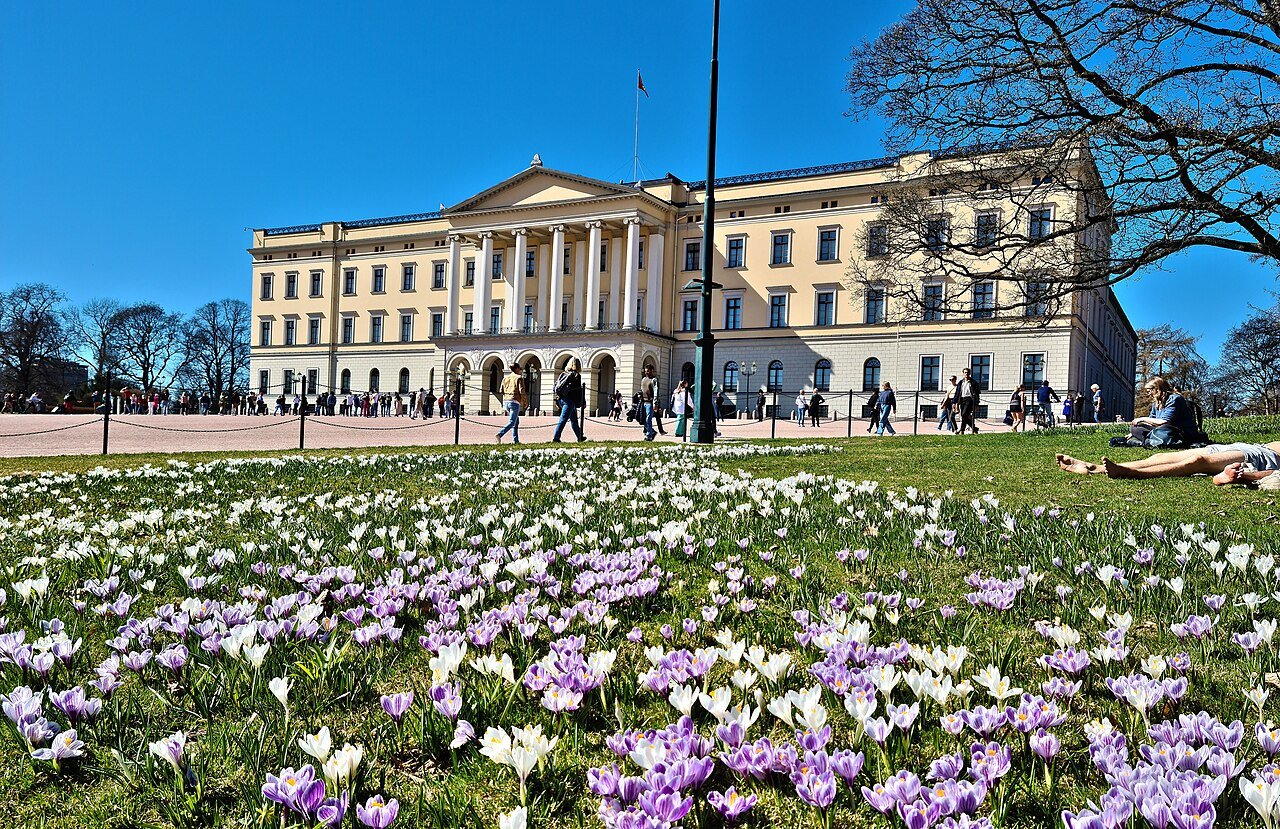
May is a month of rapid change in Norway. In the south, spring is in full swing — the fjords are green, temperatures reach 15–18°C in Bergen and Oslo, and wildflowers cover the hillsides. In the far north, snow still clings to the mountains while the sun begins its continuous circuit above the horizon.
Midnight Sun in May
The midnight sun begins at different dates depending on latitude. In Tromsø, the sun stays above the horizon continuously from around May 20 until July 26. In Alta it's similar. This means by late May, it simply doesn't get dark — the sun dips toward the horizon around midnight before rising again, bathing everything in golden light.
For first-time visitors, the midnight sun is disorienting and spectacular in equal measure. Sleep becomes a conscious choice rather than a natural one. Pack a sleep mask and blackout curtains if you're light-sensitive. Many visitors find themselves hiking at midnight simply because it feels like afternoon.
Is May Too Late for Northern Lights?
Yes, effectively. The last realistic aurora sightings above the Arctic Circle happen around mid-April. By May, nights are too bright for aurora visibility even if geomagnetic activity is high. May is firmly the midnight sun season, not aurora season. If northern lights are your reason for going, November through March are your months.
What to Do in Norway in May
- Hiking: trails open from May in coastal areas, high mountain routes from June
- Fjord cruises: full season operation, landscapes at their greenest
- Whale watching: spring migrations pass northern Norway
- Cycling: Lofoten and Vesterålen are excellent in May before summer crowds
- Sami National Day (May 6): cultural celebrations in Kautokeino and Karasjok
- Photography: the low golden light of late May nights is extraordinary (photography guide)
Weather in May
Northern Norway in May averages 5–12°C. Snow is gone from coastal areas but mountains remain white. Southern Norway is genuinely warm. Pack layers for the north — evenings can still be cold even in continuous daylight. Rain is common in western Norway (Bergen area) but the north tends to be drier.
Crowds and Cost
May is early shoulder season. Crowds build through the month as Norwegian school holidays approach (mid-June). Prices are lower than peak summer (July–August) and you have better availability. A good time to visit Lofoten, Tromsø, and the fjords without the summer rush. Budget comparable to April — flight costs start rising in late May.
Hiking and Trekking in May
May marks the beginning of hiking season in Arctic Norway, though with conditions that require care and preparation. Lower-altitude coastal trails and valley routes typically have snow cleared by early May, but mountain passes and high plateaus remain snow-covered. The continuous daylight means you can hike from 6 AM until midnight without artificial light, but don't let this fool you into thinking conditions are summer-like.
Popular May hikes in the north include the Kvaløya circuit near Tromsø (15 km, moderate, snow-free by early May), routes around Porsangen fjord in Finnmark, and coastal paths in Vesterålen such as the Herjolfsnes trail (8 km, day hike, good views). In Lofoten, the Reinebringen hike (448 metres elevation gain) is snow-free by mid-May and offers views over Reine village and the Lofoten peaks. Allow 1.5–2 hours.
High mountain routes should not be attempted in May without proper experience. Snow depth in mountain areas can be 1–2 metres, and avalanche risk persists until late May or June depending on recent weather. If you want mountain hiking, stick to lower passes or wait until June when DNT (the Norwegian Trekking Association) officially opens higher routes.
Whale Watching and Marine Wildlife
May is prime whale-watching season in northern Norway. Humpback and fin whales migrate into Arctic waters following capelin schools, making it one of the best times for sightings. Tours operate daily from Tromsø, Honningsvåg, and coastal towns in Finnmark.
Tromsø whale safaris typically run 3–5 hours and cost 590–890 NOK per person with operators like Tromsø Safari or Whale Safari. Success rates in May are usually 60–80%. Sea eagles are also abundant — you'll likely see white-tailed eagles hunting or perched in coastal pines. Puffins return to breeding colonies in May; the islands around Hornøya near Vardø are accessible via boat tours.
Bring waterproof outer gear and expect rough seas. Smaller rigid-hull boats (6–12 passengers) offer better wildlife viewing than large cruise ships, and your odds of getting close to whales improve significantly. Tours from smaller towns like Nordkapp (100 km east of Honningsvåg) often have fewer tourists and comparable success rates.
Sami Culture and Sami National Day
May 6 is Sami National Day, commemorating the establishment of the Sami people's rights. If you're in Finnmark on this date, visit Kautokeino or Karasjok for official celebrations including traditional dress, joik (Sami singing), Sami food, and reindeer racing. The Karasjok celebration is larger and attracts visitors from across Norway.
Outside Sami National Day, visit the Sami Parliament in Karasjok (90 km south of Inari, Finland) to learn about Sami governance and history. The nearby Sámediggi (Sami Parliament building) offers visitor information. For a working understanding of Sami herding culture, book a reindeer safari with local herders — several operators based in Karasjok and Kautokeino offer half-day or full-day experiences (typically 450–750 NOK).
Fjord Cruises and Coastal Travel
May is ideal for fjord exploration. Water levels are high from snowmelt, and coastal scenery is at peak greenness. The Geirangerfjord (between Molde and Flåm) and Nærøyfjord (UNESCO World Heritage) begin full cruise operations in May. Day cruises start around 500 NOK; multi-day cruises from larger operators cost 2,000–3,500 NOK including accommodation.
In Arctic Norway, Nordkapp Ferries operates scheduled service to North Cape and surrounding islands with scenic coastal routes. Hurtigruten's coastal ship (the working cargo and passenger service, not the cruise ship) still operates in May with lower passenger numbers than summer, giving you better cabin availability and fewer crowds on decks.
What to Pack for May in Arctic Norway
| Item Category | Specific Items | Why It Matters |
|---|---|---|
| Sleep and Light | Eye mask, earplugs, heavy blackout curtains (or request from hotel) | Continuous daylight disrupts natural sleep patterns |
| Outer Layers | Waterproof jacket, windproof trousers, fleece | Wind chill on water and mountains is significant; rain common west coast |
| Base Layers | Merino wool or synthetic (not cotton) long-sleeve shirts and bottoms | Insulation even when wet; critical for hiking and water activities |
| Footwear | Waterproof hiking boots (mid-ankle or higher), wool socks | Trails are wet; snowmelt creates boggy ground; wet boots = cold feet |
| Sun Protection | High-SPF sunscreen (30+), sunglasses, wide-brimmed hat | Reflection off snow and water intensifies UV exposure; sun is active 24 hours |
| Photography | Camera with manual exposure control, polarizing filter, extra batteries | Midnight sun light is unique but challenges auto-exposure; cold drains batteries faster |
Practical Tips for May Travel in Norway
Booking and Availability
Book accommodation and tours by late April if possible. Tourist infrastructure in northern Norway is thinner than southern regions, and May marks the transition when seasonal businesses reopen. Some lodges and smaller hotels don't open until May 1, so confirm in advance. Flights to Tromsø and Alta fill faster in late May as school holidays approach.
Time Management
The midnight sun creates psychological disorientation about time. Don't over-schedule activities expecting to maximize daylight — you have 20+ hours of usable daylight but you still need sleep. Plan 1–2 rest days during a two-week trip. Many visitors find they're more tired in May than expected because continuous light disrupts circadian rhythms.
Vehicle Rental and Road Conditions
Mountain passes remain closed until late May or June. The Lofoten Islands Road (E10) is fully open by early May. The North Cape road (Norway 70) typically opens around May 15; confirm before planning. Gravel roads in Finnmark are passable but rough. Four-wheel-drive is not essential for main routes but helpful for side roads. Rental cars cost 400–600 NOK/day; all-wheel-drive adds 100–150 NOK.
Dining and Supplies
Small towns in Arctic Norway have limited restaurant options. Stock grocery basics in Tromsø or Alta before heading to remote areas. Fresh produce is more expensive than southern Norway (imported by air or long-distance truck). Local seafood — halibut, cod, Arctic char — is excellent and reasonably priced at fish restaurants and local markets.
Frequently Asked Questions About May Travel in Norway
Can I see the midnight sun everywhere in Norway in May?
No. You need to be above or near the Arctic Circle (66.5°N). In Tromsø (69.6°N), the midnight sun runs May 20–July 26. In Alta (70°N), it's continuous from May 15. In Lofoten (68°N), you get extreme twilight from early May but not true midnight sun until May 25–28. In southern Norway (Oslo, Bergen), the sun sets briefly every night even in late May, though it doesn't get truly dark. The further north you travel, the earlier you experience midnight sun.
Is it warm enough to visit northern Norway in May?
Not warm in the way southern Norway is. Temperatures in Tromsø and Alta hover at 5–12°C, with occasional days reaching 15°C. Cold water (still around 4–6°C) means water activities require exposure suits. However, the sun's continuous presence makes it feel warmer than the temperature suggests — you don't get the bone-chilling cold of winter. Layering is essential. On the rare sunny, calm day, midday can feel genuinely pleasant if you're sheltered from wind.
What's the difference between May in southern Norway and Arctic Norway?
Southern Norway (Oslo, Bergen, Geirangerfjord) is solidly spring in May: 15–18°C, dark nights, normal sunrise/sunset cycle. Arctic Norway (Tromsø, Alta, North Cape) is transitioning to midnight sun: 5–12°C, continuous or near-continuous daylight, snow on mountains. Southern Norway is suitable for all visitors; Arctic Norway requires comfort with cold and adaptation to sleeping in daylight. Travel times between regions are long — flying is practical. Driving from Oslo to Tromsø takes 22–24 hours of actual driving across three days minimum.
Is May crowded with tourists?
Not by summer standards. May has roughly 30–40% of July–August tourist volume. Popular sites (Lofoten, Tromsø, North Cape) are noticeably busy by mid-May, but you can still find solitude on hiking trails and smaller islands. Accommodation and tour availability are good. Peak
May is a month of rapid change in Norway. In the south, spring is in full swing — the fjords are green, temperatures reach 15–18°C in Bergen and Oslo, and wildflowers cover the hillsides. In the far north, snow still clings to the mountains while the sun begins its continuous circuit above the horizon.
May is a month of rapid change in Norway. In the south, spring is in full swing — the fjords are green, temperatures reach 15–18°C in Bergen and Oslo, and wildflowers cover the hillsides. In the far north, snow still clings to the mountains while the sun begins its continuous circuit above the horizon.