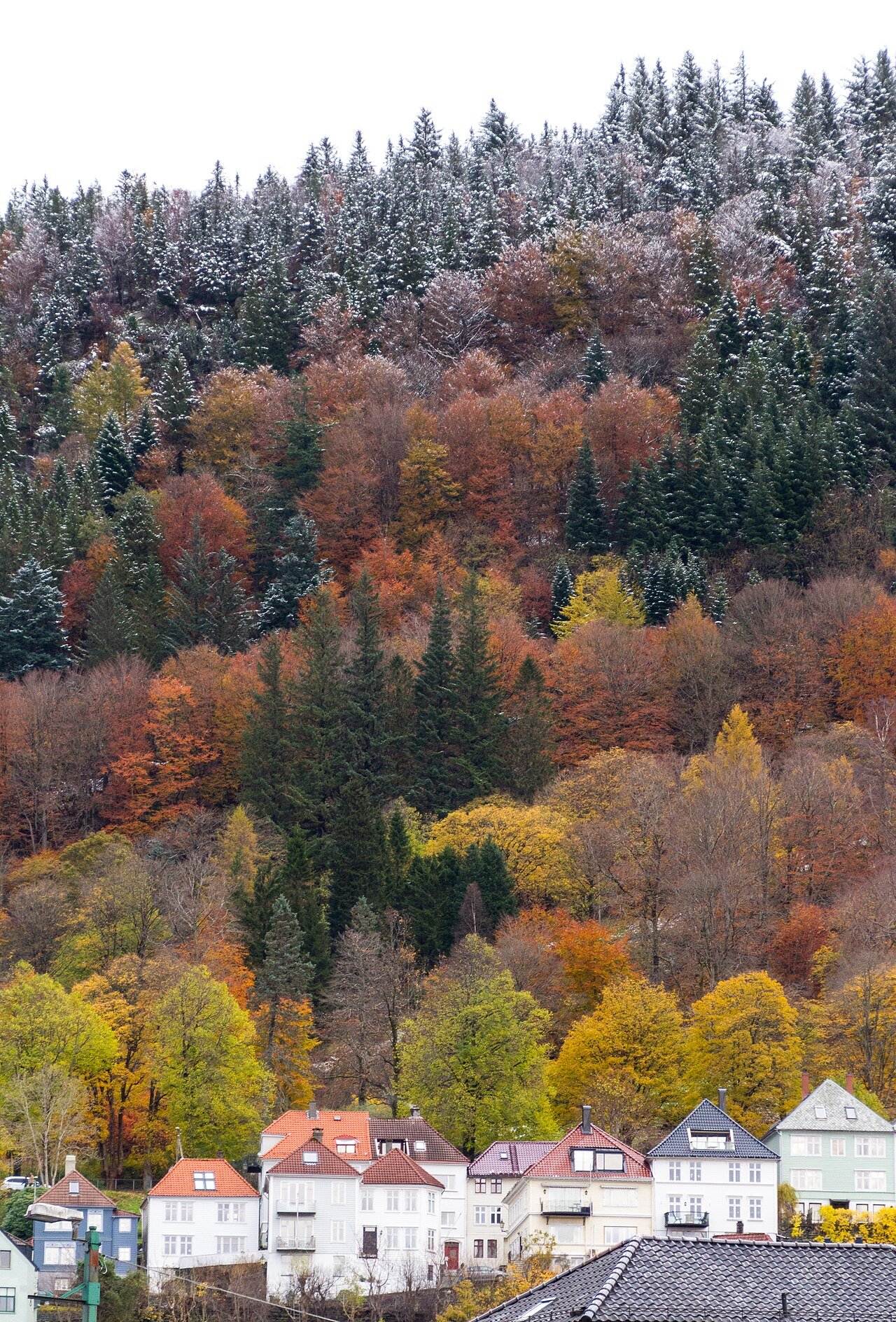
November is the underrated month in Arctic Norway. The peak aurora season officially begins, crowds haven't arrived yet, prices are lower than December, and the landscape has a raw, atmospheric quality — snow on the peaks, frost on the ground, the first real darkness of the year.
Northern Lights in November
The autumn equinox in late September triggers the return of proper Arctic darkness, and by November the nights above the Arctic Circle are 18+ hours long. Aurora activity in November is comparable to peak winter months — the Kp index doesn't care what month it is, it responds to solar wind. What you lose is the extreme deep winter atmosphere; what you gain is fewer competing tourists and a better chance of booking your first-choice accommodation.
For the best chances, head inland. Tromsø on the coast can be overcast for days at a time in November. Alta, Kautokeino, and Karasjok sit in drier inland zones with statistically more clear nights per month.
Weather in November
November is transitional. In Tromsø, average temperatures sit around -1°C to -4°C. Snow is possible but not guaranteed at sea level — you'll find reliable snow cover in the mountains and inland plateaus. Roads can be icy, so if you're planning to self-drive, check the {a('norway-winter-road-conditions', 'winter road conditions guide')} before you go.
The first snowfall usually hits Finnmark's inland areas in October, meaning November gives you proper winter landscape conditions without the deep cold of February (-20°C+). Photographers often prefer November light: the landscape is still fresh, the low twilight hour creates warm colour casts against the snow, and you're not competing for the best spots.
Activities in November
- Northern lights tours: available from late October in Tromsø and Alta
- Dog sledding: kennels open in November when snow cover arrives (Tromsø dog sledding guide)
- Reindeer experiences: Sami herders offer visits in November (reindeer sledding guide)
- Whale watching: orca and humpback season runs October–January
- Snowmobile safaris: available once snow is stable, usually mid-November (snowmobile guide)
November vs December: Which Is Better?
November wins on price and crowds. December wins on atmosphere and guaranteed snow. If you've never been to Arctic Norway and want a complete winter experience — dogsled, reindeer, snowmobile, northern lights — December gives you more reliable conditions for snow-based activities. But if you're primarily focused on the aurora and want to save money, November is the better call.
One practical consideration: tour availability is slightly reduced in early November as operators are still ramping up. By mid-November, everything is running. Book from November 15 onward if you want full activity selection.
Getting There and Getting Around
Tromsø has direct connections from Oslo, Copenhagen, and London (SAS, Norwegian, Widerøe). Alta is served from Oslo. Both airports are a short transfer to city accommodation. For getting around the region, see our winter driving guide — renting a car gives you the flexibility to chase clear skies away from coastal clouds.
Costs in November
November is shoulder season in most of Arctic Norway. Expect flights 15–25% cheaper than December and January, and hotel availability that doesn't require booking 3 months out. Aurora tours are generally the same price year-round. For a full cost breakdown, see the Norway trip cost guide.