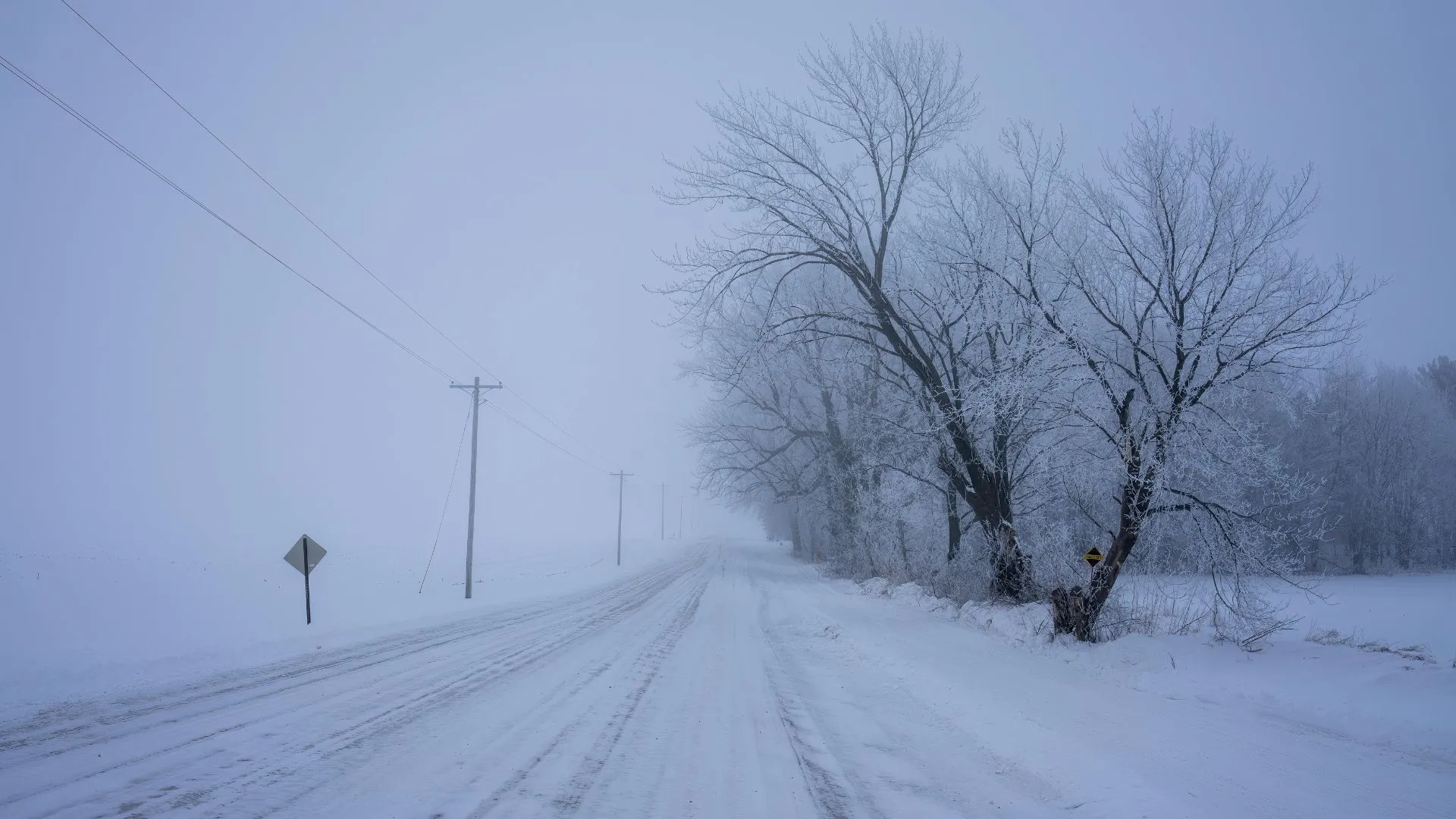
What exactly is Kolonnekjøring?
It is a mandatory escort system. When the weather is too severe to keep the road open, but not bad enough to close it entirely, the Norwegian Public Roads Administration (Statens Vegvesen) implements convoys. You cannot drive alone. Instead, you wait at a barrier (typically near Alta or Honningsvåg) until a police car or plow truck arrives to lead a group of vehicles over the dangerous stretch — usually the 150 km between Honningsvåg and the North Cape, or the 100 km from Alta towards Hammerfest.
Convoy departures happen roughly every two to four hours during winter months, depending on conditions. You don't book a departure time; you show up, pass the vehicle inspection, and wait. Waits can range from 30 minutes to several hours. The convoy itself travels at 40–60 km/h, and the lead vehicle (usually a plow) sets the pace. You must stay in line, keep your headlights on, and maintain distance from the car ahead.
Your Survival Kit: Mandatory Gear
The police or the plow driver may inspect your car before lifting the barrier. If they see you in sneakers without a shovel, they will turn you around.
| Item | Status | Why you need it |
|---|---|---|
| Studded Tires | Mandatory | "All-season" tires are useless on pure ice. Demand studs (piggdekk). Rental agencies charge 80–120 NOK per day to add them. Do NOT skip this. |
| Snow Shovel | Critical | To dig your exhaust pipe out if stuck. A blocked exhaust causes carbon monoxide buildup inside the car. Buy one at a petrol station (80–150 NOK) or bring from home. |
| Wool Blankets | Critical | Engine must be off during waits to conserve fuel and avoid carbon monoxide risk. Blankets keep you alive if you're stranded for hours. Bring at least two. |
| Warm Clothing | Mandatory | Insulated winter jacket, wool socks, thermal gloves, and a hat rated to -25°C. Exposed skin freezes in 10 minutes at -20°C with wind. |
| High-Calorie Snacks | Critical | Chocolate, energy bars, nuts. Your body burns calories staying warm. A small thermos of coffee or tea is also essential. |
| First Aid Kit | Recommended | Blister treatment, pain relief, and bandages for minor injuries from wind and cold exposure. |
| Phone Charger (Car) | Critical | Your phone may be your lifeline if separated from a convoy. A car charger costs 80–200 NOK; a portable power bank is worth 300+ NOK. |
| Extra Fuel | Recommended | Idling in a traffic jam on the E69 can drain your tank. Fill up completely before convoy departure. Fuel in Honningsvåg costs 18–20 NOK/liter. |
Haven't rented your car yet?
Check Prices on AutoEurope.
Where and When Convoys Run
The two main convoy routes in Arctic Norway are:
- E69 North Cape (Honningsvåg to North Cape): 34 km. This is the world's northernmost highway and the most famous convoy route. It operates October to May. Winter conditions close it entirely during extreme storms; otherwise, convoys depart roughly every 3 hours during daylight.
- E6 towards Hammerfest (from Alta): Approximately 100 km south of Alta towards Hammerfest. Convoys here are less frequent but run during the same season. This route experiences severe wind and drifting snow.
Check the official Statens Vegvesen website (vegvesen.no) or call +47 175 before driving. They provide real-time road status and convoy schedules. In November and March, conditions can change hourly.
The Convoy Experience: What Actually Happens
You arrive at the barrier (near Honningsvåg or Alta) and join the queue. A police officer or plow driver walks to each car and checks:
- Tires (must have studs visible)
- Shovel (you must have one in the car)
- Fuel level (should be at least half full)
- Visible damage or mechanical issues
If your car fails inspection, you're turned away. There's no appeal. If you pass, you park in the convoy staging area and wait for the lead vehicle to arrive.
Once the convoy departs, you must:
- Keep headlights on at all times
- Maintain a visible distance from the car ahead (roughly 50 meters)
- Never overtake other vehicles
- Match the speed of the lead vehicle (usually 40–60 km/h on the E69)
- Not attempt to turn back or leave the convoy
The journey from Honningsvåg to the North Cape takes 45 minutes to 1 hour in a convoy. Without a convoy (impossible in winter conditions), it's 25 minutes. Wind gusts regularly exceed 80 km/h on the plateau, and visibility can drop to 50 meters.
Real Costs to Budget
Convoy driving itself is free. However, the preparation and context costs add up:
| Expense | Cost (NOK) | Notes |
|---|---|---|
| Studded tire rental (5 days) | 400–600 | Per vehicle. Required. |
| Extra fuel on E69 | 200–400 | Fill tank before convoy; fuel at Honningsvåg is premium-priced. |
| Snow shovel (purchase) | 80–150 | Keep it; you may need it on other winter roads. |
| Winter clothing upgrades | 500–2000 | If buying new thermal layers and gloves. |
| Emergency supplies (food, thermos) | 100–300 | Snacks and drinks for waiting periods. |
| Car insurance winter rider | Variable | Check your rental agreement. Some policies exclude winter driving without explicit coverage. |
Critical Tips Before You Drive
- Check the weather forecast obsessively. Download the YR.no app (Norwegian Meteorological Institute). Check it the night before and the morning of your convoy attempt. Wind speed and visibility matter more than temperature.
- Never drive the E69 alone outside convoy hours. The road is not "open"; it's merely unguarded. One breakdown or skid and you're stranded with no cell coverage in -25°C wind.
- Arrive early to the barrier. Convoy departures are not on a published timetable. Arriving 30 minutes early for a 3-hour wait is normal. Bring a book or accept boredom.
- Keep your engine off during waits. Running your engine for hours burns fuel and risks carbon monoxide seeping into the cabin if snow blocks your exhaust. This is why blankets are critical.
- Tell someone your plans. Email or text a contact at home with the date, time, and exact route. This is a legal grey area in Norway, but Search and Rescue (for foreigners especially) takes days to mobilize.
- Do not use cruise control. The road surface changes constantly. Your foot needs to feel the grip beneath you. Cruise control has caused accidents on the E69.
- Expect delays for breakdowns. Convoys sometimes stop for 15–30 minutes if a vehicle ahead has mechanical trouble. Patience is part of the experience.
Frequently Asked Questions
Can I drive to the North Cape without joining a convoy?
Technically, yes—if the road is open outside convoy hours and conditions are declared passable. In practice, this rarely happens between November and February. If you see green status on vegvesen.no and no convoy barrier is active, you can drive independently, but this is risky. Most travellers experience the convoy system because it exists precisely when independent travel is most dangerous.
What if I miss the convoy or arrive too late?
You wait for the next one, usually 2–4 hours later. There is no way to "make it" to the North Cape without a convoy once the winter barrier system is activated. Hotels in Honningsvåg (like the Thon Hotel Nordkapp or Scandic Nordkapp) accept last-minute bookings. Expect to pay 1200–1800 NOK for a standard room in winter season.
Is convoy driving actually dangerous?
In a convoy with a professional lead vehicle, the risk is much lower than attempting the road alone. The plow driver knows where the drifts form and can read the snow. However, accidents do happen. Between 2015 and 2023, there were approximately 8–12 reported incidents per winter season on the E69, mostly spin-outs rather than collisions. The real risk is mechanical failure or running out of fuel—both preventable with proper preparation.
What happens if my rental car breaks down during a convoy?
Alert the lead vehicle by hazard lights and horn. The convoy may slow or stop. Turn off your engine immediately to avoid carbon monoxide. Stay in the car with the heater off. If the convoy must continue without you, note the time and wait for the next convoy (which may take hours). The Norwegian road authority monitors the route, but do not leave your vehicle. Call emergency services at +47 112 only if you suspect medical danger. This is why fuel and blankets are non-negotiable.
If you have not already read the full North Cape winter guide.
For the rules that apply throughout Norway before you reach Finnmark, start with our Norway winter driving guide.
Honningsvåg is the main base town before the last stretch — read our Honningsvåg guide.
For what to do while waiting at the Hammerfest barrier or if you stop there, see our Hammerfest guide.