
Husky Sledding Norway: Complete Guide to Dog Sledding in the Arctic
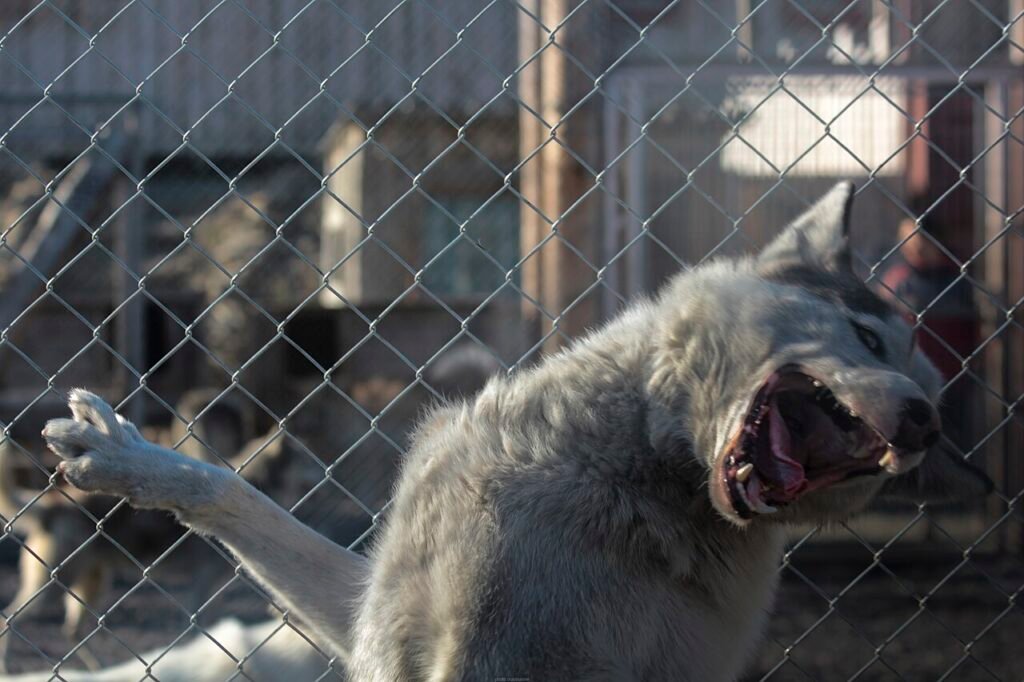
Husky sledding in Norway is one of the most physically immediate experiences available in the Arctic. You are not watching from a vehicle. You are standing on a sled, holding the handlebar, with 4-6 dogs pulling you through a forested valley at 20-25km/h. The dogs are genuinely enthusiastic — huskies bred for sledding are hyperactive until they run, at which point they become a coordinated, silent machine.
This guide covers what husky sledding in Norway actually involves, what distinguishes good tours from poor ones, the best locations, costs, and what to expect on your first outing.
What Is Dog Sledding in Norway?
Dog sledding — also called husky sledding or mushing — uses a team of sled dogs (typically Alaskan Huskies, Siberian Huskies, or Greenland Dogs) to pull a sled across snow. In Arctic Norway, it is both a traditional indigenous transport method and a modern tourist experience.
The majority of tourist husky experiences fall into two categories:
- Drive-your-own-sled tours: You are the musher. An instructor teaches you the basics (how to brake, how to manage the team, how to handle corners), and you drive your own team on a guided route. Usually 2-4 dogs per sled for beginners. The guide leads in front and is available if you need help.
- Passenger sled tours: You ride as a passenger in the sled (or in a basket inside it) while a professional musher drives. Less physically demanding, more suitable for young children or people with mobility limitations.
Most operators offer both. The drive-your-own version is the experience most adults come for.
Best Places for Dog Sledding in Norway
Tromsø
Tromsø has the highest density of husky tour operators in Norway. Most kennels are located 20-40km from the city in forested valleys — close enough to reach in 30-40 minutes, far enough from the urban environment that the experience feels genuinely wilderness. Tours run from late October through April, with December-February as peak season.
The landscape around Tromsø is hilly and fjord-intersected, which means sled routes pass through scenery that is impossible to access any other way in winter. The downside of Tromsø's popularity is that some operators run oversized groups at the same routes. Research the operator, not just the activity.
Alta
Alta's access to the Finnmark plateau gives dog sledding a different character here. The terrain is flatter and more open than around Tromsø — longer, straighter runs across tundra rather than winding forest trails. Operators in Alta tend to run longer tours (half-day and full-day) and the plateau environment is what serious mushers train in. Less touristed than Tromsø, with smaller group sizes as a consequence.
Finnmark (Kautokeino, Karasjok)
The Finnmark plateau is where some of Norway's most serious husky racing takes place — the Finnmarksløpet, Scandinavia's longest sled dog race (1,000km), starts and ends in Alta. Operators around Kautokeino and Karasjok offer multi-day sledding expeditions of 2-5 days across the plateau, where you are responsible for feeding and caring for your team at overnight stops. These are specialist experiences, not introductory tours — but they represent husky sledding at a level that Tromsø day trips do not.
What to Expect on a Husky Tour
Arrival at the kennel
Most operators begin with time at the kennel — you meet the dogs before harnessing begins. Norwegian husky kennels are not silent, calm places. When the dogs hear harness equipment being prepared, they begin barking, howling, and pulling at their chains. The noise is substantial. By the time your team is harnessed and standing at the start position, they are barely containable. This is not aggression — it is the breed performing exactly as designed.
Instruction (braking technique, handling commands, weight distribution on the sled) is brief — typically 10-15 minutes. This is enough for flat beginner routes. For routes with hills and tight corners, listen carefully and ask questions before you leave.
On the trail
Once moving, the dogs are quiet. The only sounds are the paws on snow, the runners on the trail, and wind. The pace for beginner tours is typically 15-25km/h — fast enough to feel the momentum but controlled enough to manage safely. You are standing on the runners at the back of the sled, leaning into corners, and using a drag brake (a mat of metal teeth that bites the snow) to slow and control the speed.
Falling off is common on the first tour. Dogs do not stop when the musher falls — they continue following the guide sled. Most operators attach a safety line between sleds in beginner groups to prevent runaway teams.
After the run
Most tours include time after the sled run to interact with the dogs, help feed them, and hear about the kennel's operation. This is often the most informative part of the tour for people who want to understand mushing as a practice rather than just an activity. Many operators serve hot drinks and a light meal at a wilderness camp during or after the run.
Husky Sledding Costs in Norway
Prices vary significantly by duration and operator:
- 1-2 hour introductory tour (drive your own sled): €150-250 per person
- Half-day tour (3-4 hours): €250-400 per person
- Full-day tour: €400-600 per person
- Multi-day plateau expedition: €800-2,000+ per person depending on duration and logistics
- Passenger sled (you ride, someone else drives): 20-30% less than drive-your-own equivalents
Norway is an expensive country and husky operations have high fixed costs (feeding, veterinary care, training, and housing large dog teams year-round). The prices reflect genuine costs, not artificial tourism markup. If you find an operator offering 2-hour experiences for €60-80, look carefully at the group size, number of dogs per sled, and trail condition — corner-cutting in husky operations shows up in animal welfare and experience quality.
Dog Sledding vs Snowmobile: Which to Choose
Both are excellent Arctic activities. They are fundamentally different experiences:
- Dog sledding is quiet, slow, and animal-mediated. The experience is closely tied to the dogs — you are working with living animals, not machinery. It is more effort to control, less speed, more connection. The best choice if you want something that feels genuinely Arctic and not mechanical.
- Snowmobile is fast, loud, and covers far more ground. A half-day snowmobile tour can reach remote wilderness areas 30-50km from the starting point. It is more physically straightforward (less technique required) and allows access to larger landscapes. The best choice if you want to cover ground and see the plateau at scale.
If you have time for both, do both. If you have time for one, the choice depends on whether you want intimacy (dogs) or distance (snowmobile).
What to Wear for Dog Sledding
Most operators provide outer suits (one-piece snowsuits) for the sled run. These go over your own clothing. What you need underneath:
- Merino wool base layers (top and bottom)
- Mid-layer fleece or thin down jacket
- Warm socks in winter boots rated to -20°C
- Wool hat and liner gloves (the operator suit usually includes mittens or thick gloves)
Dog sledding is physically active — you will warm up quickly once moving. The challenge is the kennel time before and after, when you are standing still in the cold. Dress for the standing time, not just the running time.
Booking a Dog Sledding Tour
Book at least 4-6 weeks in advance for peak season (December-February). Popular operators in Tromsø and Alta fill their slots well in advance. The Christmas-New Year period and February half-term are the hardest to book at short notice.
When choosing an operator, look for:
- Maximum group size (under 12 per guide is reasonable; under 8 is better)
- Number of dogs per sled (4-6 dogs for beginners gives control without overwhelming force)
- Whether the trail is exclusive to their operation or shared with other operators
- Animal welfare practices — how dogs are housed, exercised off-season, and managed during the tour
Frequently Asked Questions
Is dog sledding safe?
Yes, with a reputable operator on a beginner route. Falls are common but the speeds and terrain on introductory tours are chosen to minimise injury risk. Children participate regularly. The primary safety concern is cold exposure, not the dogs or the sled — dress appropriately and follow operator instructions on when to stop and warm up.
Do you need experience to drive a husky sled?
No. Operators run beginner tours specifically designed for first-time mushers. You receive a brief instruction session and the route is designed to be manageable. The dogs are trained to follow the guide sled, which significantly reduces the skill required from the passenger musher.
Are the dogs well-treated?
At reputable Norwegian operators, yes. The Alaskan Husky is a working dog bred specifically to run — the activity is consistent with the breed's physiological and behavioural needs. Norwegian animal welfare regulations apply to commercial kennels. The visible enthusiasm of the dogs at the start of a run is not performance — they genuinely want to go. Research the specific operator rather than making broad assumptions about the activity.
Can children do dog sledding in Norway?
Yes. Most operators have a minimum age of around 4-6 years for passenger sleds, and 12-14 years for driving. Children below the minimum driving age typically ride as passengers in a sled basket while a parent or guide drives. Confirm age requirements with the specific operator when booking.