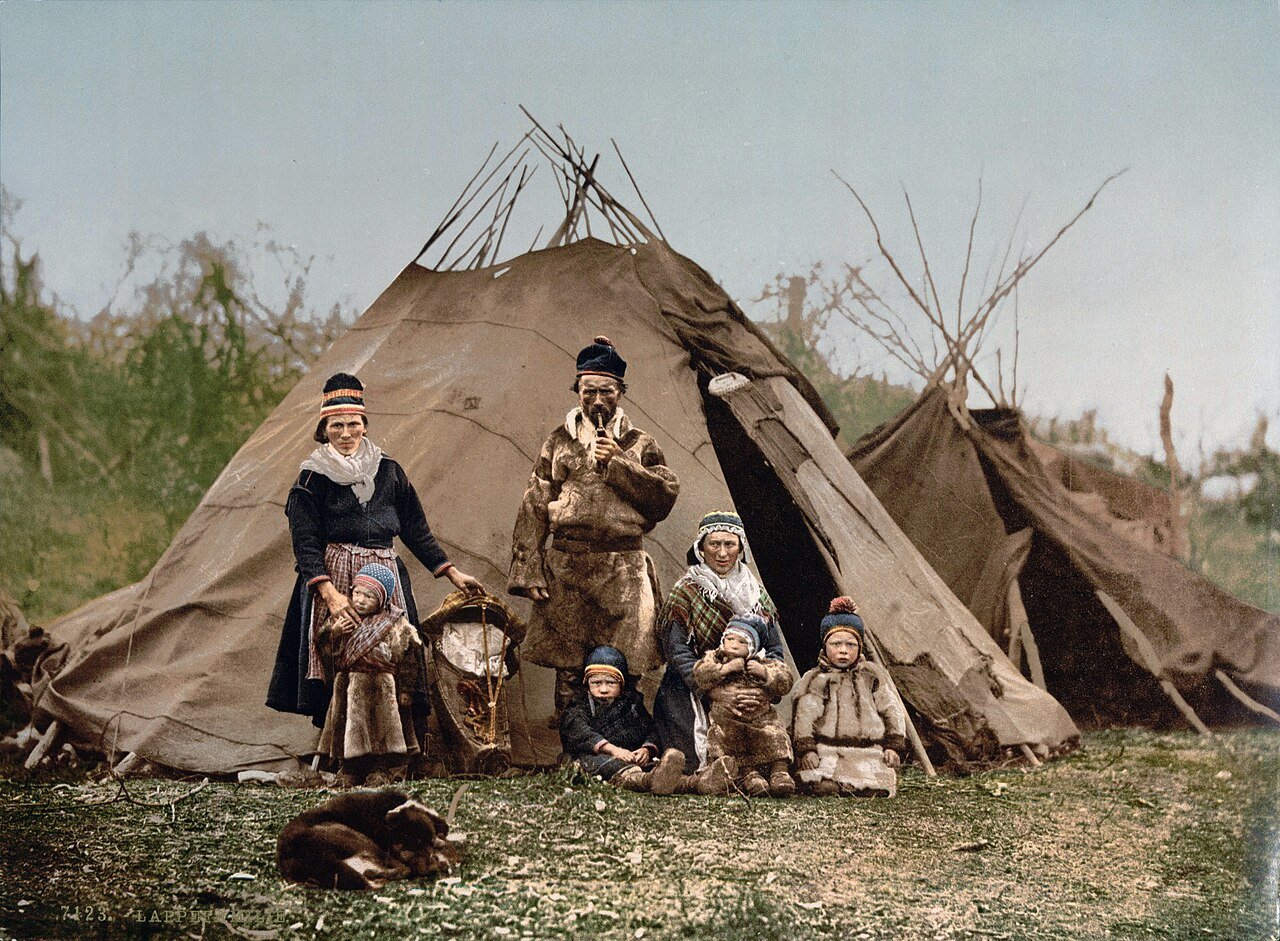
The Sami are the indigenous people of Sápmi — the territory spanning northern Norway, Sweden, Finland, and the Kola Peninsula of Russia. In Norway, approximately 40,000-70,000 Sami people live and work, with the largest concentrations in Finnmark and Troms. Understanding what Sami culture is — and what it is not — shapes how you experience it as a visitor.
Who Are the Sami?
The Sami are not a monolithic group. There are distinct language groups (Northern Sami, Lule Sami, Southern Sami, and others), distinct cultural traditions, and distinct relationships to the land. What they share is a history of colonisation by the Scandinavian and Russian states, a traditional relationship with reindeer herding and Arctic landscapes, and a contemporary political and cultural identity expressed through the Sami parliaments (Sámediggi) in Norway, Sweden, and Finland.
Norwegian Sami people are full Norwegian citizens. Most live in towns and cities, work in standard professions, and do not wear traditional dress daily or herd reindeer. The approximately 3,000 Sami who work in active reindeer herding are a small subset — important as cultural and economic stewards of the tradition, but not representative of all Sami people.
Key Destinations for Sami Culture
Kautokeino (Guovdageaidnu)
The cultural capital of Norwegian Sami society, 130km south of Alta on the plateau. Kautokeino is where the Sami language is most widely spoken as a first language in Norway, where the largest Sami Easter festival takes place (in March-April, with reindeer racing and cultural events), and where traditional Sami craft (duodji) workshops are accessible to visitors. The Sami High School and College is here, along with several Sami cultural institutions.
Karasjok (Kárášjohka)
Home to the Norwegian Sami Parliament (Sámediggi) and the Sápmi cultural park — a dedicated cultural experience centre that provides context on Sami history, traditions, and contemporary life. The Sápmi Park offers a structured tourist experience that is more informative than a reindeer tour alone, while still including hands-on elements like sled rides and traditional food.
Tromsø and Alta area
Both cities have Sami tour operators offering reindeer experiences, joik performances, and cultural presentations. These are the most accessible entry points for visitors who are not making a specific detour to the interior. The experiences are genuine — run by Sami families — but less immersive than spending time in Kautokeino or Karasjok.
What to Expect on a Sami Cultural Experience
- Reindeer encounter: Feeding and interacting with a reindeer herd, understanding the seasonal herding cycle, and usually a short sleigh ride pulled by reindeer. This is the most common tourist format and is run by actual herding families.
- Traditional food: Bidos (reindeer stew with vegetables), dried reindeer meat (fenalår), cloudberry desserts. Norwegian Arctic cuisine at its most traditional.
- Joik: Traditional Sami vocal music — a personal, improvised song that traditionally expressed a relationship with a person, place, or animal. A skilled joik performer is one of the most distinctive sonic experiences in Scandinavian culture. Asking permission before recording is customary.
- Duodji: Traditional Sami crafts — knives, leather goods, textiles, and antler carvings. Authentic duodji carries a certification mark. Be aware that mass-produced "Sami" crafts exist; genuine pieces are expensive because they are hand-made by skilled craftspeople.
Respectful Engagement
Sami culture has a complex history with tourism — there have been periods where outsider representations of Sami culture were stereotyped or exploitative. Several principles guide respectful engagement:
- Book with Sami-operated businesses, not with non-Sami operators who offer "Sami experiences."
- Ask before photographing people, especially elders and children.
- Do not wear traditional Sami dress (gákti) as costume — it is a highly specific cultural garment with regional and family significance.
- Engage with genuine curiosity about contemporary Sami life, not just historical or "traditional" versions.
Sami Easter Festival (Kautokeino, March-April)
The Sami Easter Festival in Kautokeino is the largest gathering of Sami culture in Norway and one of the most significant cultural events in the Arctic. It combines reindeer racing on the frozen river (the Finnmark Reindeer Racing Championship), traditional games, joik concerts, church services in Sami, and a general community celebration that draws Sami people from across Sápmi.
The festival is open to all visitors and is not a tourist performance — it is a genuine community event that happens to take place in public. Accommodation in Kautokeino during the festival is extremely limited; book months in advance and consider basing in Alta (130km away) and driving in for the day.