Both Svalbard and mainland Arctic Norway offer genuine Arctic experiences, but they're very different trips in terms of cost, accessibility, wildlife, and what you can do. Here's how to choose between them.
The Core Difference
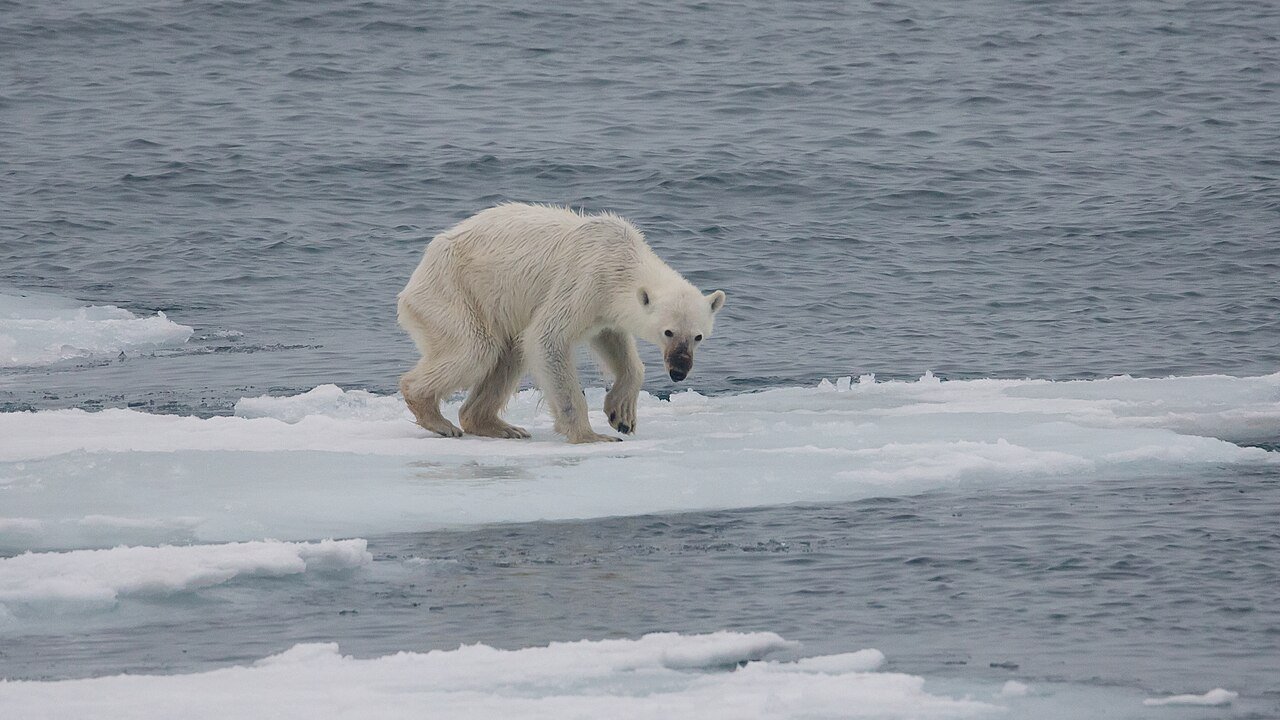
Svalbard (78°N) is a genuine Arctic wilderness archipelago — polar bears outnumber people, you need a guide with a rifle to leave the settlement of Longyearbyen, and the landscape is primordial ice and rock. Mainland Arctic Norway (Tromsø, Alta, Finnmark at 68-71°N) is accessible, well-serviced, and combines Arctic experiences with normal Norwegian towns and infrastructure.
Svalbard is for people who want the most extreme Arctic experience possible. Mainland Norway is for people who want to mix northern lights, Arctic activities, and cultural experiences with reasonable comfort and cost.
For a northern-lights-specific comparison, see our Tromsø vs Svalbard northern lights comparison.
Costs: Detailed Breakdown
Svalbard: Significantly more expensive across all categories. Flights from Oslo to Longyearbyen (€200-400 return) are only the start. Accommodation in Longyearbyen runs 1,200-1,600 NOK per night for mid-range hotels — there's no budget hostel culture here. Guided activities are mandatory for most wilderness experiences and run 2,000-4,500 NOK per day (€170-380). A five-night trip typically costs 25,000-30,000 NOK per person (€2,700-3,200) including flights, basic accommodation, and two guided activities.
Mainland Norway: More flexible and genuinely cheaper. Tromsø has accommodation from 600 NOK (budget) to 1,400 NOK (mid-range). Domestic flights to Tromsø from Oslo cost 400-800 NOK return if booked in advance. Self-drive aurora hunting is free — you need only transport and layers. A 10-day mainland trip can be done for 12,000-15,000 NOK per person (€1,300-1,600) if you avoid expensive lodge-based experiences and mix free activities with selective paid tours.
| Cost Category | Svalbard (5 nights) | Mainland Norway (10 days) |
|---|---|---|
| Flights to/from Oslo | €200-400 | €50-100 |
| Accommodation (per night) | €130-170 | €65-150 |
| Guided activity (full day) | €170-380 | €100-250 |
| Food (daily average) | €40-60 | €30-50 |
| Total estimate per person | €2,700-3,200 | €1,300-1,600 |
Northern Lights: Timing and Conditions
Both locations sit under the auroral oval and both offer excellent northern lights viewing, but the seasonal window differs significantly.
Longyearbyen (78°N): Polar night runs from approximately 20 October to 20 February — 24-hour darkness for four months straight. This sounds ideal for aurora hunting, but it means severely limited daylight for other sightseeing or photography. The trade-off: aurora hunts happen every single night, weather permitting. Statistically, you get more aurora opportunities but less visual variety in your trip.
Tromsø (69°N): Aurora season runs September to March with meaningful darkness from late October onwards. By early November you have roughly 4-6 hours of twilight daily, which is enough for hiking, photographing landscapes, or visiting Sami settlements. March offers the best balance — strong aurora activity plus 8+ hours of daylight for daytime activities. The landscape around Tromsø (fjords, mountains, coastal terrain) also photographs better with available light.
Verdict: Tromsø wins on practical flexibility for aurora combined with daytime exploration. Svalbard wins on 24-hour darkness and extreme polar atmosphere.
Wildlife: What You'll Actually See
Svalbard wildlife: Polar bears are the headline, but realistic expectations matter. Multi-day expedition tours estimate a 50-60% chance of spotting a polar bear in the wild; some trips get none. Arctic foxes are reliably seen in settlements and near human areas. Walrus haul-outs are accessible by boat in summer. Reindeer roam the high plateaus. The advantage of Svalbard: the ecosystem is genuinely untouched and animals behave naturally without habituation to humans.
Mainland Norway wildlife: Different but no less compelling. Orca and humpback whale tours near Tromsø (November-January) have 70-90% sighting rates — much higher than polar bear odds in Svalbard. Sea eagle tours operate year-round with regular sightings. Sami reindeer herding experiences combine wildlife with cultural interaction. Moose appear in forested inland valleys, though sightings require luck and patience.
The wildlife difference comes down to what attracts you: the polar bear and Arctic fox mystique, or reliable whale and eagle sightings combined with cultural access.
Accessibility and Practical Logistics
Svalbard: Longyearbyen airport receives direct flights from Oslo and Copenhagen. Once on the islands, movement is restricted — you cannot legally leave Longyearbyen without a guide carrying a rifle, or join an organized tour. The settlement itself is compact and walkable, but the psychological boundary is significant. Weather closures are common; tours get cancelled or delayed regularly in winter.
Mainland Norway: Tromsø, Alta, and Kirkenes are all accessible by domestic flights or road. Tromsø sits on the E8 highway and has bus connections. You can self-drive, book rental accommodation, and move between towns freely. If weather turns bad (common in Arctic winter), you have flexibility to change plans without depending on tour operators.
For first-time Arctic travellers or those with fixed dates, mainland Norway is substantially more practical.
What to Know Before You Go
- Darkness is real: Polar night in Svalbard means no ambient light whatsoever by late October. Bring high-quality sunglasses for snow glare and plan activities accordingly. In mainland Norway, twilight provides enough visibility for basic outdoor movement.
- Cold is colder than you think: Svalbard can reach -30°C in January; mainland Norway typically -15° to -20°C. The wind chill on exposed terrain is severe in both places. Proper gear (insulated boots, thermal layers, quality parka) is non-negotiable.
- Tour operators vary widely: In Svalbard, only licensed guides are permitted to conduct wilderness activities. In mainland Norway, quality varies — research operators and read recent reviews. Established names like Tromsø Wilderness Centre and Sami Experience are reliable.
- Book accommodation early: Winter tourism is concentrated into November-February. Hotels in Longyearbyen and Tromsø fill 3-4 months in advance for peak northern lights season.
- Budget extra for weather delays: Arctic winter weather cancels tours regularly. Build buffer days into your itinerary, especially in Svalbard where tour frequency is lower.
The Recommendation
First Arctic trip: Choose mainland Norway (Tromsø as your base). Better infrastructure, wider range of activities, lower cost, genuine freedom to adjust plans if weather turns bad, and access to reliable whale sightings or cultural experiences that complement aurora viewing. You still get an authentic Arctic experience — the northern lights, snow landscapes, and extreme latitude are all present — without the extreme logistics and costs of Svalbard.
Return Arctic trip or serious wilderness/wildlife seekers: Svalbard, ideally in March. March offers the best combination: polar bear expedition opportunities remain strong (guides are still operating winter camps), northern lights are still active, and returning daylight (8-10 hours by month's end) allows glacier photography and landscape exploration. You get the extreme Arctic experience that Svalbard is known for without the full intensity of polar night.
FAQ: Svalbard vs Mainland Norway
Can I see northern lights in both places?
Yes. Both sit under the auroral oval (the zone where auroras are most active). Statistically, Longyearbyen has more total darkness hours, so more potential viewing nights. Tromsø has a more convenient balance of darkness and daylight. Neither location guarantees aurora — cloud cover and solar activity matter far more than latitude.
Is a polar bear sighting guaranteed in Svalbard?
No. Multi-day expedition tours report 50-60% sighting rates in good conditions. Some visitors see polar bears; many do not. If polar bears are your primary goal, budget for a 5-7 day expedition rather than a short 2-3 day trip, and travel in March when bears are most active near settlements.
Can I visit Svalbard on a budget?
Not really. Even the most budget-conscious Svalbard trip (hostel accommodation, minimal paid activities) costs roughly €2,000+ for 5 nights. Mainland Norway can be done for €1,300-1,600 for 10 days with similar activity levels. If cost is a primary concern, mainland Norway is the clear choice.
What's the best time to visit each location?
Svalbard: March (aurora, polar bear activity, returning light). Mainland Norway: March or November (aurora + some daylight balance). Late November is shoulder season with fewer tourists and lower costs but less daylight than March.