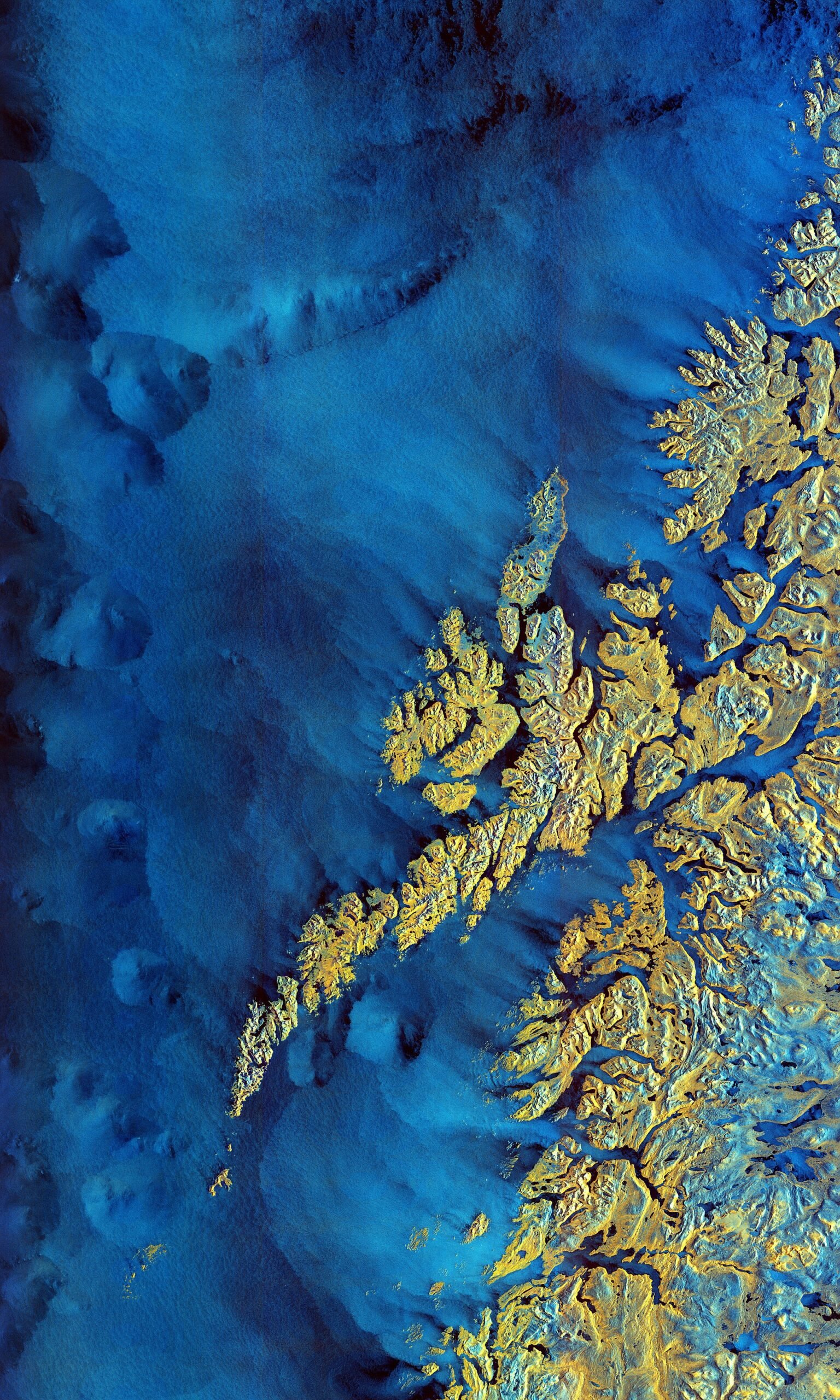
Lofoten is the most visually dramatic northern lights location in Norway. The combination of jagged mountain peaks rising directly from the sea, traditional red fishing cabins (rorbuer) reflected in calm water, and an aurora dancing overhead creates an image that defines Norway's reputation as a northern lights destination. It's also more complex to visit for aurora than Tromsø — here's what you need to know.
Aurora Season in Lofoten
Lofoten sits at 68°N — above the Arctic Circle but south of Tromsø. The aurora season runs from mid-September to late March. The darkest and statistically best months are November through February. The challenge: Lofoten faces the Norwegian Sea on its western coast and receives significant maritime weather. Cloud cover can persist for days.
Compared to inland locations like Alta, Lofoten has fewer clear nights per month. The payoff is the scenery when it does clear — no other location in Norway has the same foreground-background combination for aurora photography.
Best Viewing Spots in Lofoten
- Reine: the most photographed village — red rorbuer, mountain backdrop, clear water
- Nusfjord: UNESCO-listed fishing village with harbour reflections
- Flakstadøya beach (Ramberg): white sand beach, dark water, mountain backdrop
- Svolværgeita viewpoint: looking across Svolvær harbour to the twin peaks
- Any road on Moskenesøya: minimal light pollution, dramatic coast
Lofoten vs Tromsø for Northern Lights
Tromsø wins on infrastructure and clear-sky statistics. Lofoten wins on scenery. For a first aurora trip where seeing the lights is the primary goal, Tromsø is the safer choice. For photographers or experienced Aurora hunters who want the best possible composition, Lofoten is worth the weather risk.
The practical compromise: base in Tromsø for the aurora chase, and do Lofoten as a 3-night addition for the scenery, with aurora as a bonus.
Getting to Lofoten in Winter
Fly to Svolvær (from Bodø or Oslo) or drive via the E10. The islands are connected by bridges and tunnels — no ferries needed within the archipelago. Winter roads are maintained but require winter tyres. A rental car is essential; read our winter driving guide for Arctic driving specifics.
Accommodation in Lofoten for Aurora Watching
Traditional rorbuer (fishing cabins on the water) are the iconic Lofoten experience — they put you directly on the water with open views. Many have aurora alarms or wake-up services. Book at least 3 months in advance for winter peak (January–February). Tromsø accommodation guide for comparison.