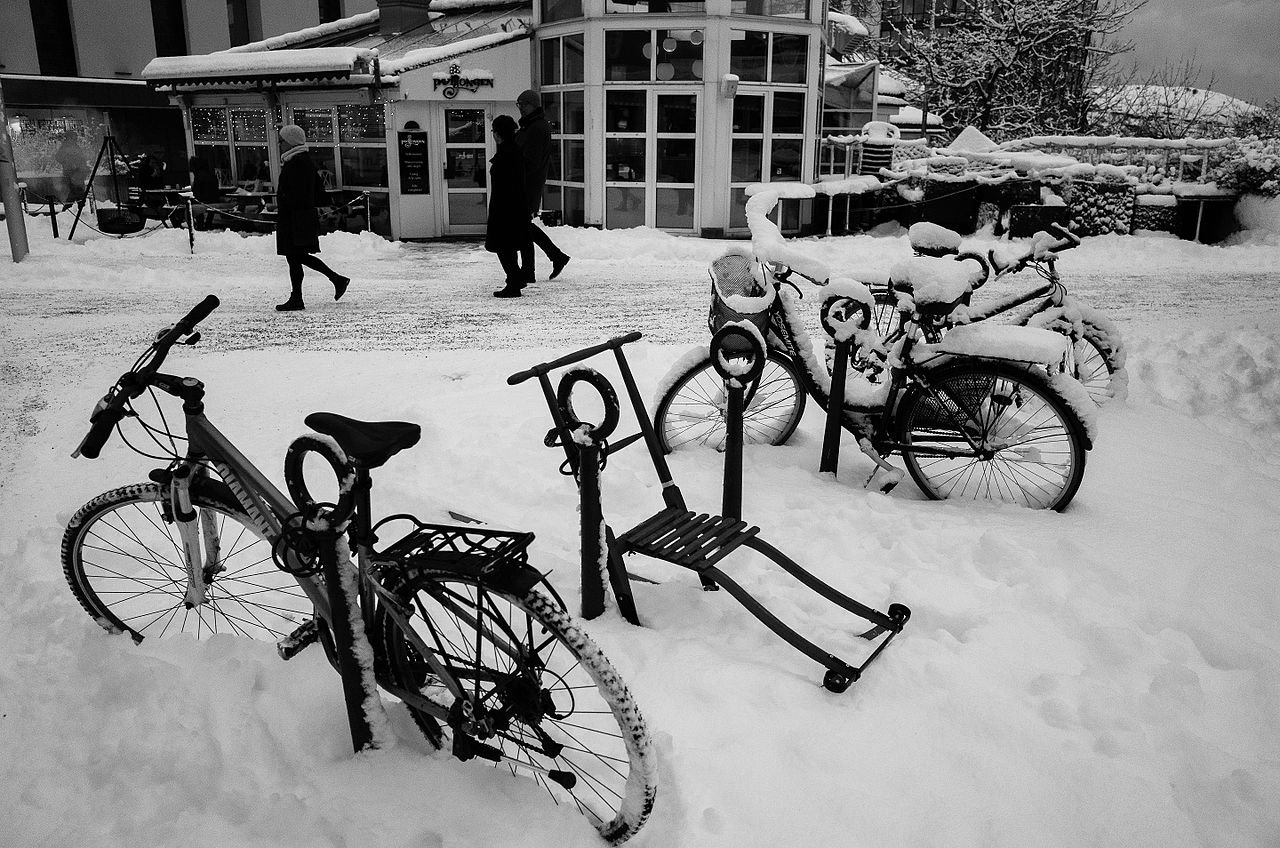
The E6 is Norway's main north-south highway, running from the Swedish border south of Oslo all the way to Kirkenes at the Russian border. The northern section — from Mo i Rana through Bodø, Narvik, Tromsø, Alta, and Hammerfest to Kirkenes — covers some of the most dramatic and remote road scenery in Europe.
The Route: Key Sections
Mo i Rana to Bodø (380km, 5 hours): Crosses the Arctic Circle. The Arctic Circle Centre at Polarsirkelen is a classic photo stop. Dramatic mountain scenery throughout.
Narvik to Tromsø (300km, 4 hours): Passes through the Lyngen Alps. One of the most scenic sections with fjords, mountains, and the Lyngenfjord. The E8 junction leads to Tromsø.
Tromsø to Alta (410km, 6 hours): Wild and remote. Passes through Kvænangen, with dramatic coastal scenery. Very few services — fill up at Tromsø and again at Storslett.
Alta to Hammerfest (130km, 1.5 hours): Crosses the E69 junction for North Cape. Hammerfest is 45 minutes off the E6.
Alta to Kirkenes (520km, 7 hours): The most remote section. Passes Kautokeino (Sami heartland), Karasjok, and Tana before reaching Kirkenes at the Russian border. Petrol stations are sparse — never pass one without filling up.
Winter Driving on the E6
The E6 is kept open year-round, but winter driving requires preparation. Mandatory equipment: winter tyres (studded or Nordic non-studded from October to April). Essential extras: snow chains (even if you don't plan to use them), tow rope, shovel, emergency blanket, warm food and drinks, and a fully charged phone with offline maps downloaded.
The Norwegian road conditions website (vegvesen.no) shows live camera feeds and road conditions for every section of the E6. Check before every long drive. Some high-altitude sections can close temporarily in blizzard conditions — Sennalandet between Alta and Hammerfest is known for this.
Car Rental and Requirements
Renting a car to drive the E6 is straightforward, but winter rental comes with extra costs. Most major rental companies (Hertz, Avis, Enterprise, Budget) operate in Tromsø, Narvik, Alta, and Kirkenes. Expect to pay 600–900 NOK per day (€65–95) for a basic manual car in summer, rising to 800–1200 NOK (€85–130) in winter when winter tyres, chains, and winter coverage are included.
Winter tyres are legally mandatory from 1 November to 30 April. Rental companies automatically fit them, but check your booking confirmation. If you're driving your own vehicle, ensure tyres are studded or have a Nordic winter rating; driving without proper winter tyres can result in a 1500 NOK fine plus liability for any accidents. Four-wheel drive is not mandatory on the E6 but is strongly recommended for November to March driving, especially if you plan side trips on mountain roads.
An International Driving Permit (IDP) isn't legally required for US, UK, Canadian, or Australian drivers, but carrying one alongside your national licence is sensible. Liability insurance is compulsory — your rental company includes this. Request extra collision coverage (typically 200–300 NOK per day) if you're unfamiliar with Arctic driving.
Driving Times and Distance Table
| Route Section | Distance (km) | Summer Driving Time | Winter Driving Time | Key Stops |
|---|---|---|---|---|
| Mo i Rana to Bodø | 380 | 5 hours | 6–7 hours | Arctic Circle Centre (Polarsirkelen) |
| Bodø to Narvik | 290 | 4 hours | 5–6 hours | Fauske, Skjærvøy |
| Narvik to Tromsø | 300 | 4 hours | 5–6 hours | Lyngen Alps, Nordkjosbotn |
| Tromsø to Storslett | 230 | 3.5 hours | 4–5 hours | Kvænangen (fuel stop) |
| Storslett to Alta | 180 | 2.5 hours | 3–4 hours | Sørøy Island detour (optional) |
| Alta to Kautokeino | 120 | 1.5 hours | 2–2.5 hours | Sami settlements, cafes |
| Kautokeino to Karasjok | 120 | 1.5 hours | 2–2.5 hours | Sami Parliament, reindeer herds |
| Karasjok to Kirkenes | 280 | 3.5 hours | 4–5 hours | Tana Bru (fuel), Sevettijärvi |
Key Stops Along the E6
- Narvik: World War II history, cable car views, ski centre
- Tromsø: Major city, all services, northern lights hub
- Alta: Northern lights observatory, canyon hike in summer, dog sledding
- Kautokeino: Sami cultural centre, Easter festival, indigenous craft shops
- Karasjok: Sami Parliament, reindeer herding experiences
- Kirkenes: Russian border, king crab safaris, Snowhotel
Fuel and Services
Between Alta and Kirkenes, petrol stations are rare. Key fuel stops: Alta (multiple), Kautokeino, Karasjok, Tana Bru, and Kirkenes. Never pass an open station without checking your level. Some remote stations are unstaffed and accept only Norwegian bank cards — carry an international Visa or Mastercard that works at unmanned pumps.
Diesel costs around 15–17 NOK per litre, petrol 16–18 NOK per litre at official stations; remote Sami heartland locations may charge 10–20% more. Plan fuel strategically: Tromsø to Alta (410km) consumes roughly 50–60 litres in a standard car. A full tank is essential before leaving Tromsø or Alta. Driving time is longer in winter due to snow and reduced visibility; add 30–50% extra time compared to summer estimates.
What to Know Before You Go
- Road Closures: Check vegvesen.no daily, especially October–April. Sennalandet (between Alta and Hammerfest) closes 2–5 times yearly in severe weather. Have a backup route or extra time in your plans.
- Toll Roads: Parts of the E6 north of Tromsø have road tolls (Autopass automatic system). Rental cars have Autopass transponders; tolls are charged to your rental agreement. Cost is typically 20–50 NOK per toll.
- Daylight Hours: In November–January, daylight is minimal (2–4 hours in Kirkenes). This significantly slows driving. In June–July, midnight sun means 24-hour daylight but bright at all hours. Plan accordingly.
- Emergency Services: Call 112 for emergencies. Mobile coverage is excellent on the main E6 but patchy on side roads. Download offline maps for Google Maps or similar.
- Speed Limits: 90 km/h on the E6 (main highway), 80 km/h in towns, 50 km/h in residential areas. Speed cameras exist near populated areas. Police enforce limits strictly.
- Moose and Reindeer: Hit a moose or reindeer herd and you're liable for damage. Slow down at dawn and dusk in summer; reindeer herds cross the road regularly between Alta and Kirkenes in spring and autumn.
Accommodation Near the E6
For overnight stops, plan ahead. Tromsø has the most choice (50+ hotels, 250–500 NOK per room). Alta has 15–20 hotels and guesthouses (200–400 NOK). Between Kautokeino and Kirkenes, options are limited to basic lodges and Sami-run guesthouses (150–300 NOK). Booking ahead in winter is essential, especially December and February when northern lights activity draws tourists.
Frequently Asked Questions
Is the E6 safe to drive in winter?
Yes, the E6 is one of Norway's most heavily maintained roads. The state roads authority (Statens Vegvesen) ploughs and grits it continuously during winter. However, safety depends on your experience with Arctic driving, vehicle condition, and weather. Blizzards can close sections for hours. Reduced visibility during polar twilight (November–January) increases accident risk. Drive defensively, never exceed safe speeds for conditions, and check road conditions before departing any town.
Can I drive the E6 in a regular summer car?
Not legally from 1 November to 30 April — winter tyres are mandatory. A standard saloon with winter tyres is technically adequate for the E6 itself, as it's a major highway. However, two-wheel drive becomes risky if you venture onto mountain roads or side routes. Many travellers encounter winter conditions unexpectedly (e.g., early snow in September, late snow in May). If driving in shoulder seasons (September, October, April, May), ensure your rental includes winter tyre options.
How long does it take to drive the entire E6 from Narvik to Kirkenes?
In summer with good conditions, Narvik to Kirkenes (1020km) takes 13–14 hours of driving. Realistically, plan 2–3 days to allow for photography stops, meal breaks, and rest. In winter, add 30–50% extra time due to slow speeds and weather delays. Most visitors spend 4–5 days driving this section, stopping in Tromsø (1–2 nights) and Alta (1–2 nights) for northern lights activities or day trips.
What's the best time of year to drive the E6?
June–August is safest for driving (24-hour daylight, minimal snow risk). However, winter (December–February) offers northern lights and Arctic scenery. September and May are shoulder seasons with unpredictable weather. If driving for aurora, accept that December–February means 2–4 hours of daylight daily and slower, more cautious driving. Summer means faster travel but crowded roads and accommodation. Choose based on your priorities: scenic speed (summer) or northern lights (winter).
Related Guides
- Norway Winter Driving Guide
- Finnmark Road Trip Guide
- North Cape Norway Winter Guide
- Kirkenes Norway Winter Guide
The E6 is Norway's main north-south highway, running from the Swedish border south of Oslo all the way to Kirkenes at the Russian border. The northern section — from Mo i Rana through Bodø, Narvik, Tromsø, Alta, and Hammerfest to Kirkenes — covers some of the most dramatic and remote road scenery in Europe.
The E6 is Norway's main north-south highway, running from the Swedish border south of Oslo all the way to Kirkenes at the Russian border. The northern section — from Mo i Rana through Bodø, Narvik, Tromsø, Alta, and Hammerfest to Kirkenes — covers some of the most dramatic and remote road scenery in Europe.
The E6 is Norway's main north-south highway, running from the Swedish border south of Oslo all the way to Kirkenes at the Russian border. The northern section — from Mo i Rana through Bodø, Narvik, Tromsø, Alta, and Hammerfest to Kirkenes — covers some of the most dramatic and remote road scenery in Europe.
The E6 is Norway's main north-south highway, running from the Swedish border south of Oslo all the way to Kirkenes at the Russian border. The northern section — from Mo i Rana through Bodø, Narvik, Tromsø, Alta, and Hammerfest to Kirkenes — covers some of the most dramatic and remote road scenery in Europe.
The E6 is Norway's main north-south highway, running from the Swedish border south of Oslo all the way to Kirkenes at the Russian border. The northern section — from Mo i Rana through Bodø, Narvik, Tromsø, Alta, and Hammerfest to Kirkenes — covers some of the most dramatic and remote road scenery in Europe.