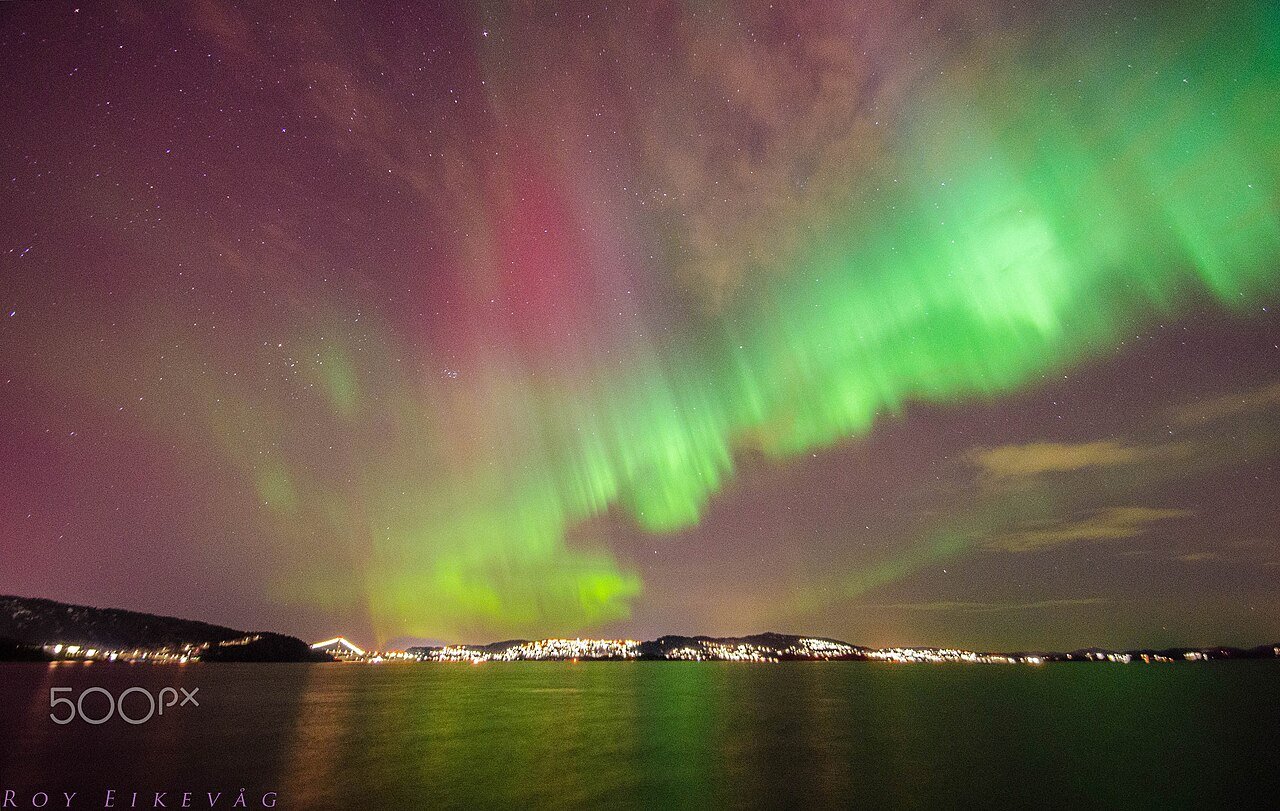
Norway in March: Northern Lights, Spring Skiing & Travel Tips

Yes — this is one of March's biggest advantages. By mid-March, Tromsø has 12+ hours of daylight, letting you ski, whale watch, or explore during the day and chase aurora from roughly 19:00 to 01:00. This is impossible in December when darkness lasts all day.
Mid-range hotels in Tromsø run 1,000–1,600 NOK per night in March. Luxury options (Luxury Hotel Tromsø, Scandic Ishavshotel) cost 1,500–2,500+ NOK. Budget hostels and guesthouses offer 400–700 NOK options. Book as far ahead as possible — March weekends fill quickly.
For a more authentic experience, consider staying in smaller towns like Alta or booking a mountain lodge in the Lyngen region. Costs are similar to Tromsø but crowds are lighter and proximity to skiing and remote aurora viewing improves.
FAQ: March in Arctic Norway
Is March too late for northern lights in Norway?
No. March is still excellent for aurora viewing, especially early March. Nights are shorter than December/January but dark enough for quality displays. The equinox period (late March approaches the spring equinox on 20–21 March) often produces stronger geomagnetic activity, offsetting the reduced darkness hours.
Can I see both daylight activities and northern lights in March?
Yes — this is one of March's biggest advantages. By mid-March, Tromsø has 12+ hours of daylight, letting you ski, whale watch, or explore during the day and chase aurora from roughly 19:00 to 01:00. This is impossible in December when darkness lasts all day.
Absolutely. Temperatures average -5°C to -12°C depending on location. Snow is stable and reliable. The main risk is sudden warm spells that bring rain or sleet, but true Arctic cold returns reliably. Always check the forecast and bring proper winter gear rated to -25°C.
Most first-time visitors benefit from at least one guided tour (600–900 NOK). Guides know the darkest locations, carry heating equipment, and can identify aurora characteristics. After one tour, many visitors confidently hunt independently using forecast apps. Note that rental cars include headlamp kits designed for aurora photography.
Related Guides
- Northern Lights Norway Guide
- Norway in February: Northern Lights Guide
- Norway in January Travel Guide
- Norway Winter Packing List
Accommodation in March
Mid-range hotels in Tromsø run 1,000–1,600 NOK per night in March. Luxury options (Luxury Hotel Tromsø, Scandic Ishavshotel) cost 1,500–2,500+ NOK. Budget hostels and guesthouses offer 400–700 NOK options. Book as far ahead as possible — March weekends fill quickly.
For a more authentic experience, consider staying in smaller towns like Alta or booking a mountain lodge in the Lyngen region. Costs are similar to Tromsø but crowds are lighter and proximity to skiing and remote aurora viewing improves.
FAQ: March in Arctic Norway
Is March too late for northern lights in Norway?
No. March is still excellent for aurora viewing, especially early March. Nights are shorter than December/January but dark enough for quality displays. The equinox period (late March approaches the spring equinox on 20–21 March) often produces stronger geomagnetic activity, offsetting the reduced darkness hours.
Can I see both daylight activities and northern lights in March?
Yes — this is one of March's biggest advantages. By mid-March, Tromsø has 12+ hours of daylight, letting you ski, whale watch, or explore during the day and chase aurora from roughly 19:00 to 01:00. This is impossible in December when darkness lasts all day.
Absolutely. Temperatures average -5°C to -12°C depending on location. Snow is stable and reliable. The main risk is sudden warm spells that bring rain or sleet, but true Arctic cold returns reliably. Always check the forecast and bring proper winter gear rated to -25°C.
Most first-time visitors benefit from at least one guided tour (600–900 NOK). Guides know the darkest locations, carry heating equipment, and can identify aurora characteristics. After one tour, many visitors confidently hunt independently using forecast apps. Note that rental cars include headlamp kits designed for aurora photography.
Related Guides
- Northern Lights Norway Guide
- Norway in February: Northern Lights Guide
- Norway in January Travel Guide
- Norway Winter Packing List
Accommodation in March
Mid-range hotels in Tromsø run 1,000–1,600 NOK per night in March. Luxury options (Luxury Hotel Tromsø, Scandic Ishavshotel) cost 1,500–2,500+ NOK. Budget hostels and guesthouses offer 400–700 NOK options. Book as far ahead as possible — March weekends fill quickly.
For a more authentic experience, consider staying in smaller towns like Alta or booking a mountain lodge in the Lyngen region. Costs are similar to Tromsø but crowds are lighter and proximity to skiing and remote aurora viewing improves.
FAQ: March in Arctic Norway
Is March too late for northern lights in Norway?
No. March is still excellent for aurora viewing, especially early March. Nights are shorter than December/January but dark enough for quality displays. The equinox period (late March approaches the spring equinox on 20–21 March) often produces stronger geomagnetic activity, offsetting the reduced darkness hours.
Can I see both daylight activities and northern lights in March?
Yes — this is one of March's biggest advantages. By mid-March, Tromsø has 12+ hours of daylight, letting you ski, whale watch, or explore during the day and chase aurora from roughly 19:00 to 01:00. This is impossible in December when darkness lasts all day.
Absolutely. Temperatures average -5°C to -12°C depending on location. Snow is stable and reliable. The main risk is sudden warm spells that bring rain or sleet, but true Arctic cold returns reliably. Always check the forecast and bring proper winter gear rated to -25°C.
Most first-time visitors benefit from at least one guided tour (600–900 NOK). Guides know the darkest locations, carry heating equipment, and can identify aurora characteristics. After one tour, many visitors confidently hunt independently using forecast apps. Note that rental cars include headlamp kits designed for aurora photography.
Related Guides
- Northern Lights Norway Guide
- Norway in February: Northern Lights Guide
- Norway in January Travel Guide
- Norway Winter Packing List
How to Get There
Flights to Tromsø Lufthavn (TOS) arrive from Oslo (2.5 hours), Bergen (3 hours), and various Scandinavian hubs. High-speed ferries connect Tromsø to nearby communities. Direct flights from Copenhagen and Stockholm add travel options, though typically cost more than Oslo connections.
From Oslo airport (Gardermoen), take either direct flights to Tromsø or combine with a flight to Alta (2 hours further south, different landscape). Ground transport once in Tromsø requires a rental car for flexibility. Taxis exist but are expensive (300–400 NOK for airport transfers). Hire companies operate 24-hour counters at the airport.
Accommodation in March
Mid-range hotels in Tromsø run 1,000–1,600 NOK per night in March. Luxury options (Luxury Hotel Tromsø, Scandic Ishavshotel) cost 1,500–2,500+ NOK. Budget hostels and guesthouses offer 400–700 NOK options. Book as far ahead as possible — March weekends fill quickly.
For a more authentic experience, consider staying in smaller towns like Alta or booking a mountain lodge in the Lyngen region. Costs are similar to Tromsø but crowds are lighter and proximity to skiing and remote aurora viewing improves.
FAQ: March in Arctic Norway
Is March too late for northern lights in Norway?
No. March is still excellent for aurora viewing, especially early March. Nights are shorter than December/January but dark enough for quality displays. The equinox period (late March approaches the spring equinox on 20–21 March) often produces stronger geomagnetic activity, offsetting the reduced darkness hours.
Can I see both daylight activities and northern lights in March?
Yes — this is one of March's biggest advantages. By mid-March, Tromsø has 12+ hours of daylight, letting you ski, whale watch, or explore during the day and chase aurora from roughly 19:00 to 01:00. This is impossible in December when darkness lasts all day.
Absolutely. Temperatures average -5°C to -12°C depending on location. Snow is stable and reliable. The main risk is sudden warm spells that bring rain or sleet, but true Arctic cold returns reliably. Always check the forecast and bring proper winter gear rated to -25°C.
Most first-time visitors benefit from at least one guided tour (600–900 NOK). Guides know the darkest locations, carry heating equipment, and can identify aurora characteristics. After one tour, many visitors confidently hunt independently using forecast apps. Note that rental cars include headlamp kits designed for aurora photography.
Related Guides
- Northern Lights Norway Guide
- Norway in February: Northern Lights Guide
- Norway in January Travel Guide
- Norway Winter Packing List
March is one of the most underrated months to visit Arctic Norway. The polar night is over, daylight is returning fast, and the northern lights are still very active. Temperatures are cold but not brutal, and most winter activities — husky sledding, snowmobiling, skiing — are running at full capacity.
Why Visit Norway in March
By March, Tromsø has 10+ hours of daylight but the nights are still long and dark enough for excellent aurora viewing. The combination of manageable temperatures (-5°C to -12°C), more outdoor light for sightseeing, and strong aurora activity makes March a sweet spot for first-time visitors who find January's extreme darkness and cold overwhelming.
March also coincides with the ski season peak in Norway. Tromsø, Alta, and the surrounding mountains have the best snow conditions of the year. Tromsø Alpinpark and the slopes around Alta are well-prepared, and backcountry skiing is excellent.
The month also marks a transition: you get meaningful daylight hours for photography and exploration without sacrificing aurora chances. The psychological benefits of increased light matter more than many first-time Arctic visitors expect. After the darkness of winter, March feels noticeably brighter.
Northern Lights in March
March sits within the spring equinox — geomagnetically, the equinox period (March and September) often produces stronger than average aurora activity due to the alignment of Earth's magnetic field with solar wind. This makes March statistically one of the best months for northern lights in Norway.
The catch: nights are getting shorter. By late March in Tromsø, you have roughly 6 hours of true darkness. That's still plenty for aurora hunting — most displays peak around midnight — but you lose the all-night opportunities of December and January.
Early March (1-10) offers better darkness duration than late March (20-31), so if northern lights are your primary goal, book earlier in the month. Aurora forecasts in March are typically available from around 19:00 to 01:00 local time, which aligns well with dinner and evening schedules.
Weather in March
Tromsø averages -5°C to -8°C in March. Alta is colder at -10°C to -15°C. Kirkenes can still reach -20°C on cold nights. Snow is reliable throughout Arctic Norway in March, and road conditions are generally stable but still require winter tyres.
The big weather risk in March is sudden temperature swings that can turn snow to sleet, especially in coastal areas like Tromsø. Check forecasts daily and be flexible with outdoor plans.
| Location | Avg. Low | Avg. High | Daylight Hours (Mid-March) | Snow Reliability |
|---|---|---|---|---|
| Tromsø | -8°C | -3°C | 12–13 hours | Excellent |
| Alta | -13°C | -6°C | 11–12 hours | Excellent |
| Kirkenes | -15°C | -7°C | 11–12 hours | Very Good |
| North Cape | -12°C | -5°C | 10–11 hours | Good |
Top Things to Do in March
- Northern lights hunting — still excellent, especially early March
- Downhill and cross-country skiing at peak snow conditions
- Husky sledding and snowmobile safaris still fully operational
- Whale watching near Tromsø (season runs to April)
- Reindeer herding experiences with Sami communities
- Ski touring in the Lyngen Alps (Tromsø region)
- Ice fishing before the spring thaw
Skiing and Winter Sports
March offers the best skiing conditions of the Arctic season. Tromsø Alpinpark operates daily with 3–4 slopes suitable for all levels. Lift access costs around 350–420 NOK per day for adults. The mountain village of Bjorvatn, 20 minutes from central Tromsø, provides quieter terrain and excellent spring snow.
Cross-country skiing is phenomenal in March across the Bardufoss plateau and valleys around Tromsø. The snow is settled and fast, and daylight extends evening ski sessions. Rental packages (skis, boots, poles) cost 200–300 NOK per day from local outfitters.
For backcountry touring, the Lyngen Alps offer multi-day expeditions with mountain hut stays. Most outfitters require basic skiing ability and offer guided tours from 4,500–6,500 NOK per person per day including guide, accommodation, and meals.
Activity Costs and Booking
| Activity | Duration | Price Range (NOK) | Best Operator |
|---|---|---|---|
| Northern Lights Safari (guided) | 3–4 hours | 600–900 | Multiple operators in Tromsø |
| Husky Sledding | 2–3 hours | 750–1,200 | Tromsø Dog Sledding, Sled Dog Center |
| Snowmobile Safari | 3–4 hours | 850–1,400 | Local touring operators |
| Whale Watching | 3–5 hours | 650–950 | Boat operators from Tromsø harbour |
| Reindeer Experience | 2–3 hours | 500–800 | Sami communities (Siida Alta, Tana) |
Practical Tips for March
Pack for full winter conditions — don't let the improving temperatures fool you. A -20°C day is still possible. Bring quality base layers, insulated jackets rated to at least -25°C, and waterproof outer shells. The combination of wind and cold makes proper layering essential.
Book activities in advance as March is popular with Scandinavian visitors who travel domestically for winter sports. Flight prices to Tromsø from Oslo are lower in March than in December/January, typically 1,200–2,000 NOK return. Rental cars are still essential for independent travel but availability tightens — reserve at least two weeks ahead.
Roads in Arctic Norway remain in good winter condition through March, but winter tyres (or studded tyres) are mandatory and legally required. Standard rental cars come equipped. Carry emergency supplies: extra fuel, blankets, food, water, and a first aid kit when driving beyond Tromsø town limits.
For northern lights hunting, stay out of Tromsø town centre. Light pollution is severe. Most operators take guests to darker locations 30–60 km north toward the Kvenangen valley or south toward Kvaløya island. Check the Kp-index forecast daily (available via aurora forecast apps and websites) — Kp 2+ is marginal, Kp 4+ significantly improves odds even with moonlight.
How to Get There
Flights to Tromsø Lufthavn (TOS) arrive from Oslo (2.5 hours), Bergen (3 hours), and various Scandinavian hubs. High-speed ferries connect Tromsø to nearby communities. Direct flights from Copenhagen and Stockholm add travel options, though typically cost more than Oslo connections.
From Oslo airport (Gardermoen), take either direct flights to Tromsø or combine with a flight to Alta (2 hours further south, different landscape). Ground transport once in Tromsø requires a rental car for flexibility. Taxis exist but are expensive (300–400 NOK for airport transfers). Hire companies operate 24-hour counters at the airport.
Accommodation in March
Mid-range hotels in Tromsø run 1,000–1,600 NOK per night in March. Luxury options (Luxury Hotel Tromsø, Scandic Ishavshotel) cost 1,500–2,500+ NOK. Budget hostels and guesthouses offer 400–700 NOK options. Book as far ahead as possible — March weekends fill quickly.
For a more authentic experience, consider staying in smaller towns like Alta or booking a mountain lodge in the Lyngen region. Costs are similar to Tromsø but crowds are lighter and proximity to skiing and remote aurora viewing improves.
FAQ: March in Arctic Norway
Is March too late for northern lights in Norway?
No. March is still excellent for aurora viewing, especially early March. Nights are shorter than December/January but dark enough for quality displays. The equinox period (late March approaches the spring equinox on 20–21 March) often produces stronger geomagnetic activity, offsetting the reduced darkness hours.
Can I see both daylight activities and northern lights in March?
Yes — this is one of March's biggest advantages. By mid-March, Tromsø has 12+ hours of daylight, letting you ski, whale watch, or explore during the day and chase aurora from roughly 19:00 to 01:00. This is impossible in December when darkness lasts all day.
Absolutely. Temperatures average -5°C to -12°C depending on location. Snow is stable and reliable. The main risk is sudden warm spells that bring rain or sleet, but true Arctic cold returns reliably. Always check the forecast and bring proper winter gear rated to -25°C.
Most first-time visitors benefit from at least one guided tour (600–900 NOK). Guides know the darkest locations, carry heating equipment, and can identify aurora characteristics. After one tour, many visitors confidently hunt independently using forecast apps. Note that rental cars include headlamp kits designed for aurora photography.
Related Guides
- Northern Lights Norway Guide
- Norway in February: Northern Lights Guide
- Norway in January Travel Guide
- Norway Winter Packing List
Mid-range hotels in Tromsø run 1,000–1,600 NOK per night in March. Luxury options (Luxury Hotel Tromsø, Scandic Ishavshotel) cost 1,500–2,500+ NOK. Budget hostels and guesthouses offer 400–700 NOK options. Book as far ahead as possible — March weekends fill quickly.
For a more authentic experience, consider staying in smaller towns like Alta or booking a mountain lodge in the Lyngen region. Costs are similar to Tromsø but crowds are lighter and proximity to skiing and remote aurora viewing improves.
FAQ: March in Arctic Norway
Is March too late for northern lights in Norway?
No. March is still excellent for aurora viewing, especially early March. Nights are shorter than December/January but dark enough for quality displays. The equinox period (late March approaches the spring equinox on 20–21 March) often produces stronger geomagnetic activity, offsetting the reduced darkness hours.
Can I see both daylight activities and northern lights in March?
Yes — this is one of March's biggest advantages. By mid-March, Tromsø has 12+ hours of daylight, letting you ski, whale watch, or explore during the day and chase aurora from roughly 19:00 to 01:00. This is impossible in December when darkness lasts all day.
Absolutely. Temperatures average -5°C to -12°C depending on location. Snow is stable and reliable. The main risk is sudden warm spells that bring rain or sleet, but true Arctic cold returns reliably. Always check the forecast and bring proper winter gear rated to -25°C.
Most first-time visitors benefit from at least one guided tour (600–900 NOK). Guides know the darkest locations, carry heating equipment, and can identify aurora characteristics. After one tour, many visitors confidently hunt independently using forecast apps. Note that rental cars include headlamp kits designed for aurora photography.
Related Guides
- Northern Lights Norway Guide
- Norway in February: Northern Lights Guide
- Norway in January Travel Guide
- Norway Winter Packing List
March is one of the most underrated months to visit Arctic Norway. The polar night is over, daylight is returning fast, and the northern lights are still very active. Temperatures are cold but not brutal, and most winter activities — husky sledding, snowmobiling, skiing — are running at full capacity.
Why Visit Norway in March
By March, Tromsø has 10+ hours of daylight but the nights are still long and dark enough for excellent aurora viewing. The combination of manageable temperatures (-5°C to -12°C), more outdoor light for sightseeing, and strong aurora activity makes March a sweet spot for first-time visitors who find January's extreme darkness and cold overwhelming.
March also coincides with the ski season peak in Norway. Tromsø, Alta, and the surrounding mountains have the best snow conditions of the year. Tromsø Alpinpark and the slopes around Alta are well-prepared, and backcountry skiing is excellent.
The month also marks a transition: you get meaningful daylight hours for photography and exploration without sacrificing aurora chances. The psychological benefits of increased light matter more than many first-time Arctic visitors expect. After the darkness of winter, March feels noticeably brighter.
Northern Lights in March
March sits within the spring equinox — geomagnetically, the equinox period (March and September) often produces stronger than average aurora activity due to the alignment of Earth's magnetic field with solar wind. This makes March statistically one of the best months for northern lights in Norway.
The catch: nights are getting shorter. By late March in Tromsø, you have roughly 6 hours of true darkness. That's still plenty for aurora hunting — most displays peak around midnight — but you lose the all-night opportunities of December and January.
Early March (1-10) offers better darkness duration than late March (20-31), so if northern lights are your primary goal, book earlier in the month. Aurora forecasts in March are typically available from around 19:00 to 01:00 local time, which aligns well with dinner and evening schedules.
Weather in March
Tromsø averages -5°C to -8°C in March. Alta is colder at -10°C to -15°C. Kirkenes can still reach -20°C on cold nights. Snow is reliable throughout Arctic Norway in March, and road conditions are generally stable but still require winter tyres.
The big weather risk in March is sudden temperature swings that can turn snow to sleet, especially in coastal areas like Tromsø. Check forecasts daily and be flexible with outdoor plans.
| Location | Avg. Low | Avg. High | Daylight Hours (Mid-March) | Snow Reliability |
|---|---|---|---|---|
| Tromsø | -8°C | -3°C | 12–13 hours | Excellent |
| Alta | -13°C | -6°C | 11–12 hours | Excellent |
| Kirkenes | -15°C | -7°C | 11–12 hours | Very Good |
| North Cape | -12°C | -5°C | 10–11 hours | Good |
Top Things to Do in March
- Northern lights hunting — still excellent, especially early March
- Downhill and cross-country skiing at peak snow conditions
- Husky sledding and snowmobile safaris still fully operational
- Whale watching near Tromsø (season runs to April)
- Reindeer herding experiences with Sami communities
- Ski touring in the Lyngen Alps (Tromsø region)
- Ice fishing before the spring thaw
Skiing and Winter Sports
March offers the best skiing conditions of the Arctic season. Tromsø Alpinpark operates daily with 3–4 slopes suitable for all levels. Lift access costs around 350–420 NOK per day for adults. The mountain village of Bjorvatn, 20 minutes from central Tromsø, provides quieter terrain and excellent spring snow.
Cross-country skiing is phenomenal in March across the Bardufoss plateau and valleys around Tromsø. The snow is settled and fast, and daylight extends evening ski sessions. Rental packages (skis, boots, poles) cost 200–300 NOK per day from local outfitters.
For backcountry touring, the Lyngen Alps offer multi-day expeditions with mountain hut stays. Most outfitters require basic skiing ability and offer guided tours from 4,500–6,500 NOK per person per day including guide, accommodation, and meals.
Activity Costs and Booking
| Activity | Duration | Price Range (NOK) | Best Operator |
|---|---|---|---|
| Northern Lights Safari (guided) | 3–4 hours | 600–900 | Multiple operators in Tromsø |
| Husky Sledding | 2–3 hours | 750–1,200 | Tromsø Dog Sledding, Sled Dog Center |
| Snowmobile Safari | 3–4 hours | 850–1,400 | Local touring operators |
| Whale Watching | 3–5 hours | 650–950 | Boat operators from Tromsø harbour |
| Reindeer Experience | 2–3 hours | 500–800 | Sami communities (Siida Alta, Tana) |
Practical Tips for March
Pack for full winter conditions — don't let the improving temperatures fool you. A -20°C day is still possible. Bring quality base layers, insulated jackets rated to at least -25°C, and waterproof outer shells. The combination of wind and cold makes proper layering essential.
Book activities in advance as March is popular with Scandinavian visitors who travel domestically for winter sports. Flight prices to Tromsø from Oslo are lower in March than in December/January, typically 1,200–2,000 NOK return. Rental cars are still essential for independent travel but availability tightens — reserve at least two weeks ahead.
Roads in Arctic Norway remain in good winter condition through March, but winter tyres (or studded tyres) are mandatory and legally required. Standard rental cars come equipped. Carry emergency supplies: extra fuel, blankets, food, water, and a first aid kit when driving beyond Tromsø town limits.
For northern lights hunting, stay out of Tromsø town centre. Light pollution is severe. Most operators take guests to darker locations 30–60 km north toward the Kvenangen valley or south toward Kvaløya island. Check the Kp-index forecast daily (available via aurora forecast apps and websites) — Kp 2+ is marginal, Kp 4+ significantly improves odds even with moonlight.
How to Get There
Flights to Tromsø Lufthavn (TOS) arrive from Oslo (2.5 hours), Bergen (3 hours), and various Scandinavian hubs. High-speed ferries connect Tromsø to nearby communities. Direct flights from Copenhagen and Stockholm add travel options, though typically cost more than Oslo connections.
From Oslo airport (Gardermoen), take either direct flights to Tromsø or combine with a flight to Alta (2 hours further south, different landscape). Ground transport once in Tromsø requires a rental car for flexibility. Taxis exist but are expensive (300–400 NOK for airport transfers). Hire companies operate 24-hour counters at the airport.
Accommodation in March
Mid-range hotels in Tromsø run 1,000–1,600 NOK per night in March. Luxury options (Luxury Hotel Tromsø, Scandic Ishavshotel) cost 1,500–2,500+ NOK. Budget hostels and guesthouses offer 400–700 NOK options. Book as far ahead as possible — March weekends fill quickly.
For a more authentic experience, consider staying in smaller towns like Alta or booking a mountain lodge in the Lyngen region. Costs are similar to Tromsø but crowds are lighter and proximity to skiing and remote aurora viewing improves.
FAQ: March in Arctic Norway
Is March too late for northern lights in Norway?
No. March is still excellent for aurora viewing, especially early March. Nights are shorter than December/January but dark enough for quality displays. The equinox period (late March approaches the spring equinox on 20–21 March) often produces stronger geomagnetic activity, offsetting the reduced darkness hours.
Can I see both daylight activities and northern lights in March?
Yes — this is one of March's biggest advantages. By mid-March, Tromsø has 12+ hours of daylight, letting you ski, whale watch, or explore during the day and chase aurora from roughly 19:00 to 01:00. This is impossible in December when darkness lasts all day.
Absolutely. Temperatures average -5°C to -12°C depending on location. Snow is stable and reliable. The main risk is sudden warm spells that bring rain or sleet, but true Arctic cold returns reliably. Always check the forecast and bring proper winter gear rated to -25°C.
Most first-time visitors benefit from at least one guided tour (600–900 NOK). Guides know the darkest locations, carry heating equipment, and can identify aurora characteristics. After one tour, many visitors confidently hunt independently using forecast apps. Note that rental cars include headlamp kits designed for aurora photography.
Related Guides
- Northern Lights Norway Guide
- Norway in February: Northern Lights Guide
- Norway in January Travel Guide
- Norway Winter Packing List
Accommodation in March
Mid-range hotels in Tromsø run 1,000–1,600 NOK per night in March. Luxury options (Luxury Hotel Tromsø, Scandic Ishavshotel) cost 1,500–2,500+ NOK. Budget hostels and guesthouses offer 400–700 NOK options. Book as far ahead as possible — March weekends fill quickly.
For a more authentic experience, consider staying in smaller towns like Alta or booking a mountain lodge in the Lyngen region. Costs are similar to Tromsø but crowds are lighter and proximity to skiing and remote aurora viewing improves.
FAQ: March in Arctic Norway
Is March too late for northern lights in Norway?
No. March is still excellent for aurora viewing, especially early March. Nights are shorter than December/January but dark enough for quality displays. The equinox period (late March approaches the spring equinox on 20–21 March) often produces stronger geomagnetic activity, offsetting the reduced darkness hours.
Can I see both daylight activities and northern lights in March?
Yes — this is one of March's biggest advantages. By mid-March, Tromsø has 12+ hours of daylight, letting you ski, whale watch, or explore during the day and chase aurora from roughly 19:00 to 01:00. This is impossible in December when darkness lasts all day.
Absolutely. Temperatures average -5°C to -12°C depending on location. Snow is stable and reliable. The main risk is sudden warm spells that bring rain or sleet, but true Arctic cold returns reliably. Always check the forecast and bring proper winter gear rated to -25°C.
Most first-time visitors benefit from at least one guided tour (600–900 NOK). Guides know the darkest locations, carry heating equipment, and can identify aurora characteristics. After one tour, many visitors confidently hunt independently using forecast apps. Note that rental cars include headlamp kits designed for aurora photography.
Related Guides
- Northern Lights Norway Guide
- Norway in February: Northern Lights Guide
- Norway in January Travel Guide
- Norway Winter Packing List
March is one of the most underrated months to visit Arctic Norway. The polar night is over, daylight is returning fast, and the northern lights are still very active. Temperatures are cold but not brutal, and most winter activities — husky sledding, snowmobiling, skiing — are running at full capacity.
Why Visit Norway in March
By March, Tromsø has 10+ hours of daylight but the nights are still long and dark enough for excellent aurora viewing. The combination of manageable temperatures (-5°C to -12°C), more outdoor light for sightseeing, and strong aurora activity makes March a sweet spot for first-time visitors who find January's extreme darkness and cold overwhelming.
March also coincides with the ski season peak in Norway. Tromsø, Alta, and the surrounding mountains have the best snow conditions of the year. Tromsø Alpinpark and the slopes around Alta are well-prepared, and backcountry skiing is excellent.
The month also marks a transition: you get meaningful daylight hours for photography and exploration without sacrificing aurora chances. The psychological benefits of increased light matter more than many first-time Arctic visitors expect. After the darkness of winter, March feels noticeably brighter.
Northern Lights in March
March sits within the spring equinox — geomagnetically, the equinox period (March and September) often produces stronger than average aurora activity due to the alignment of Earth's magnetic field with solar wind. This makes March statistically one of the best months for northern lights in Norway.
The catch: nights are getting shorter. By late March in Tromsø, you have roughly 6 hours of true darkness. That's still plenty for aurora hunting — most displays peak around midnight — but you lose the all-night opportunities of December and January.
Early March (1-10) offers better darkness duration than late March (20-31), so if northern lights are your primary goal, book earlier in the month. Aurora forecasts in March are typically available from around 19:00 to 01:00 local time, which aligns well with dinner and evening schedules.
Weather in March
Tromsø averages -5°C to -8°C in March. Alta is colder at -10°C to -15°C. Kirkenes can still reach -20°C on cold nights. Snow is reliable throughout Arctic Norway in March, and road conditions are generally stable but still require winter tyres.
The big weather risk in March is sudden temperature swings that can turn snow to sleet, especially in coastal areas like Tromsø. Check forecasts daily and be flexible with outdoor plans.
| Location | Avg. Low | Avg. High | Daylight Hours (Mid-March) | Snow Reliability |
|---|---|---|---|---|
| Tromsø | -8°C | -3°C | 12–13 hours | Excellent |
| Alta | -13°C | -6°C | 11–12 hours | Excellent |
| Kirkenes | -15°C | -7°C | 11–12 hours | Very Good |
| North Cape | -12°C | -5°C | 10–11 hours | Good |
Top Things to Do in March
- Northern lights hunting — still excellent, especially early March
- Downhill and cross-country skiing at peak snow conditions
- Husky sledding and snowmobile safaris still fully operational
- Whale watching near Tromsø (season runs to April)
- Reindeer herding experiences with Sami communities
- Ski touring in the Lyngen Alps (Tromsø region)
- Ice fishing before the spring thaw
Skiing and Winter Sports
March offers the best skiing conditions of the Arctic season. Tromsø Alpinpark operates daily with 3–4 slopes suitable for all levels. Lift access costs around 350–420 NOK per day for adults. The mountain village of Bjorvatn, 20 minutes from central Tromsø, provides quieter terrain and excellent spring snow.
Cross-country skiing is phenomenal in March across the Bardufoss plateau and valleys around Tromsø. The snow is settled and fast, and daylight extends evening ski sessions. Rental packages (skis, boots, poles) cost 200–300 NOK per day from local outfitters.
For backcountry touring, the Lyngen Alps offer multi-day expeditions with mountain hut stays. Most outfitters require basic skiing ability and offer guided tours from 4,500–6,500 NOK per person per day including guide, accommodation, and meals.
Activity Costs and Booking
| Activity | Duration | Price Range (NOK) | Best Operator |
|---|---|---|---|
| Northern Lights Safari (guided) | 3–4 hours | 600–900 | Multiple operators in Tromsø |
| Husky Sledding | 2–3 hours | 750–1,200 | Tromsø Dog Sledding, Sled Dog Center |
| Snowmobile Safari | 3–4 hours | 850–1,400 | Local touring operators |
| Whale Watching | 3–5 hours | 650–950 | Boat operators from Tromsø harbour |
| Reindeer Experience | 2–3 hours | 500–800 | Sami communities (Siida Alta, Tana) |
Practical Tips for March
Pack for full winter conditions — don't let the improving temperatures fool you. A -20°C day is still possible. Bring quality base layers, insulated jackets rated to at least -25°C, and waterproof outer shells. The combination of wind and cold makes proper layering essential.
Book activities in advance as March is popular with Scandinavian visitors who travel domestically for winter sports. Flight prices to Tromsø from Oslo are lower in March than in December/January, typically 1,200–2,000 NOK return. Rental cars are still essential for independent travel but availability tightens — reserve at least two weeks ahead.
Roads in Arctic Norway remain in good winter condition through March, but winter tyres (or studded tyres) are mandatory and legally required. Standard rental cars come equipped. Carry emergency supplies: extra fuel, blankets, food, water, and a first aid kit when driving beyond Tromsø town limits.
For northern lights hunting, stay out of Tromsø town centre. Light pollution is severe. Most operators take guests to darker locations 30–60 km north toward the Kvenangen valley or south toward Kvaløya island. Check the Kp-index forecast daily (available via aurora forecast apps and websites) — Kp 2+ is marginal, Kp 4+ significantly improves odds even with moonlight.
How to Get There
Flights to Tromsø Lufthavn (TOS) arrive from Oslo (2.5 hours), Bergen (3 hours), and various Scandinavian hubs. High-speed ferries connect Tromsø to nearby communities. Direct flights from Copenhagen and Stockholm add travel options, though typically cost more than Oslo connections.
From Oslo airport (Gardermoen), take either direct flights to Tromsø or combine with a flight to Alta (2 hours further south, different landscape). Ground transport once in Tromsø requires a rental car for flexibility. Taxis exist but are expensive (300–400 NOK for airport transfers). Hire companies operate 24-hour counters at the airport.
Accommodation in March
Mid-range hotels in Tromsø run 1,000–1,600 NOK per night in March. Luxury options (Luxury Hotel Tromsø, Scandic Ishavshotel) cost 1,500–2,500+ NOK. Budget hostels and guesthouses offer 400–700 NOK options. Book as far ahead as possible — March weekends fill quickly.
For a more authentic experience, consider staying in smaller towns like Alta or booking a mountain lodge in the Lyngen region. Costs are similar to Tromsø but crowds are lighter and proximity to skiing and remote aurora viewing improves.
FAQ: March in Arctic Norway
Is March too late for northern lights in Norway?
No. March is still excellent for aurora viewing, especially early March. Nights are shorter than December/January but dark enough for quality displays. The equinox period (late March approaches the spring equinox on 20–21 March) often produces stronger geomagnetic activity, offsetting the reduced darkness hours.
Can I see both daylight activities and northern lights in March?
Yes — this is one of March's biggest advantages. By mid-March, Tromsø has 12+ hours of daylight, letting you ski, whale watch, or explore during the day and chase aurora from roughly 19:00 to 01:00. This is impossible in December when darkness lasts all day.
Absolutely. Temperatures average -5°C to -12°C depending on location. Snow is stable and reliable. The main risk is sudden warm spells that bring rain or sleet, but true Arctic cold returns reliably. Always check the forecast and bring proper winter gear rated to -25°C.
Most first-time visitors benefit from at least one guided tour (600–900 NOK). Guides know the darkest locations, carry heating equipment, and can identify aurora characteristics. After one tour, many visitors confidently hunt independently using forecast apps. Note that rental cars include headlamp kits designed for aurora photography.
Related Guides
- Northern Lights Norway Guide
- Norway in February: Northern Lights Guide
- Norway in January Travel Guide
- Norway Winter Packing List
Accommodation in March
Mid-range hotels in Tromsø run 1,000–1,600 NOK per night in March. Luxury options (Luxury Hotel Tromsø, Scandic Ishavshotel) cost 1,500–2,500+ NOK. Budget hostels and guesthouses offer 400–700 NOK options. Book as far ahead as possible — March weekends fill quickly.
For a more authentic experience, consider staying in smaller towns like Alta or booking a mountain lodge in the Lyngen region. Costs are similar to Tromsø but crowds are lighter and proximity to skiing and remote aurora viewing improves.
FAQ: March in Arctic Norway
Is March too late for northern lights in Norway?
No. March is still excellent for aurora viewing, especially early March. Nights are shorter than December/January but dark enough for quality displays. The equinox period (late March approaches the spring equinox on 20–21 March) often produces stronger geomagnetic activity, offsetting the reduced darkness hours.
Can I see both daylight activities and northern lights in March?
Yes — this is one of March's biggest advantages. By mid-March, Tromsø has 12+ hours of daylight, letting you ski, whale watch, or explore during the day and chase aurora from roughly 19:00 to 01:00. This is impossible in December when darkness lasts all day.
Absolutely. Temperatures average -5°C to -12°C depending on location. Snow is stable and reliable. The main risk is sudden warm spells that bring rain or sleet, but true Arctic cold returns reliably. Always check the forecast and bring proper winter gear rated to -25°C.
Most first-time visitors benefit from at least one guided tour (600–900 NOK). Guides know the darkest locations, carry heating equipment, and can identify aurora characteristics. After one tour, many visitors confidently hunt independently using forecast apps. Note that rental cars include headlamp kits designed for aurora photography.
Related Guides
- Northern Lights Norway Guide
- Norway in February: Northern Lights Guide
- Norway in January Travel Guide
- Norway Winter Packing List
March is one of the most underrated months to visit Arctic Norway. The polar night is over, daylight is returning fast, and the northern lights are still very active. Temperatures are cold but not brutal, and most winter activities — husky sledding, snowmobiling, skiing — are running at full capacity.
Why Visit Norway in March
By March, Tromsø has 10+ hours of daylight but the nights are still long and dark enough for excellent aurora viewing. The combination of manageable temperatures (-5°C to -12°C), more outdoor light for sightseeing, and strong aurora activity makes March a sweet spot for first-time visitors who find January's extreme darkness and cold overwhelming.
March also coincides with the ski season peak in Norway. Tromsø, Alta, and the surrounding mountains have the best snow conditions of the year. Tromsø Alpinpark and the slopes around Alta are well-prepared, and backcountry skiing is excellent.
The month also marks a transition: you get meaningful daylight hours for photography and exploration without sacrificing aurora chances. The psychological benefits of increased light matter more than many first-time Arctic visitors expect. After the darkness of winter, March feels noticeably brighter.
Northern Lights in March
March sits within the spring equinox — geomagnetically, the equinox period (March and September) often produces stronger than average aurora activity due to the alignment of Earth's magnetic field with solar wind. This makes March statistically one of the best months for northern lights in Norway.
The catch: nights are getting shorter. By late March in Tromsø, you have roughly 6 hours of true darkness. That's still plenty for aurora hunting — most displays peak around midnight — but you lose the all-night opportunities of December and January.
Early March (1-10) offers better darkness duration than late March (20-31), so if northern lights are your primary goal, book earlier in the month. Aurora forecasts in March are typically available from around 19:00 to 01:00 local time, which aligns well with dinner and evening schedules.
Weather in March
Tromsø averages -5°C to -8°C in March. Alta is colder at -10°C to -15°C. Kirkenes can still reach -20°C on cold nights. Snow is reliable throughout Arctic Norway in March, and road conditions are generally stable but still require winter tyres.
The big weather risk in March is sudden temperature swings that can turn snow to sleet, especially in coastal areas like Tromsø. Check forecasts daily and be flexible with outdoor plans.
| Location | Avg. Low | Avg. High | Daylight Hours (Mid-March) | Snow Reliability |
|---|---|---|---|---|
| Tromsø | -8°C | -3°C | 12–13 hours | Excellent |
| Alta | -13°C | -6°C | 11–12 hours | Excellent |
| Kirkenes | -15°C | -7°C | 11–12 hours | Very Good |
| North Cape | -12°C | -5°C | 10–11 hours | Good |
Top Things to Do in March
- Northern lights hunting — still excellent, especially early March
- Downhill and cross-country skiing at peak snow conditions
- Husky sledding and snowmobile safaris still fully operational
- Whale watching near Tromsø (season runs to April)
- Reindeer herding experiences with Sami communities
- Ski touring in the Lyngen Alps (Tromsø region)
- Ice fishing before the spring thaw
Skiing and Winter Sports
March offers the best skiing conditions of the Arctic season. Tromsø Alpinpark operates daily with 3–4 slopes suitable for all levels. Lift access costs around 350–420 NOK per day for adults. The mountain village of Bjorvatn, 20 minutes from central Tromsø, provides quieter terrain and excellent spring snow.
Cross-country skiing is phenomenal in March across the Bardufoss plateau and valleys around Tromsø. The snow is settled and fast, and daylight extends evening ski sessions. Rental packages (skis, boots, poles) cost 200–300 NOK per day from local outfitters.
For backcountry touring, the Lyngen Alps offer multi-day expeditions with mountain hut stays. Most outfitters require basic skiing ability and offer guided tours from 4,500–6,500 NOK per person per day including guide, accommodation, and meals.
Activity Costs and Booking
| Activity | Duration | Price Range (NOK) | Best Operator |
|---|---|---|---|
| Northern Lights Safari (guided) | 3–4 hours | 600–900 | Multiple operators in Tromsø |
| Husky Sledding | 2–3 hours | 750–1,200 | Tromsø Dog Sledding, Sled Dog Center |
| Snowmobile Safari | 3–4 hours | 850–1,400 | Local touring operators |
| Whale Watching | 3–5 hours | 650–950 | Boat operators from Tromsø harbour |
| Reindeer Experience | 2–3 hours | 500–800 | Sami communities (Siida Alta, Tana) |
Practical Tips for March
Pack for full winter conditions — don't let the improving temperatures fool you. A -20°C day is still possible. Bring quality base layers, insulated jackets rated to at least -25°C, and waterproof outer shells. The combination of wind and cold makes proper layering essential.
Book activities in advance as March is popular with Scandinavian visitors who travel domestically for winter sports. Flight prices to Tromsø from Oslo are lower in March than in December/January, typically 1,200–2,000 NOK return. Rental cars are still essential for independent travel but availability tightens — reserve at least two weeks ahead.
Roads in Arctic Norway remain in good winter condition through March, but winter tyres (or studded tyres) are mandatory and legally required. Standard rental cars come equipped. Carry emergency supplies: extra fuel, blankets, food, water, and a first aid kit when driving beyond Tromsø town limits.
For northern lights hunting, stay out of Tromsø town centre. Light pollution is severe. Most operators take guests to darker locations 30–60 km north toward the Kvenangen valley or south toward Kvaløya island. Check the Kp-index forecast daily (available via aurora forecast apps and websites) — Kp 2+ is marginal, Kp 4+ significantly improves odds even with moonlight.
How to Get There
Flights to Tromsø Lufthavn (TOS) arrive from Oslo (2.5 hours), Bergen (3 hours), and various Scandinavian hubs. High-speed ferries connect Tromsø to nearby communities. Direct flights from Copenhagen and Stockholm add travel options, though typically cost more than Oslo connections.
From Oslo airport (Gardermoen), take either direct flights to Tromsø or combine with a flight to Alta (2 hours further south, different landscape). Ground transport once in Tromsø requires a rental car for flexibility. Taxis exist but are expensive (300–400 NOK for airport transfers). Hire companies operate 24-hour counters at the airport.
Accommodation in March
Mid-range hotels in Tromsø run 1,000–1,600 NOK per night in March. Luxury options (Luxury Hotel Tromsø, Scandic Ishavshotel) cost 1,500–2,500+ NOK. Budget hostels and guesthouses offer 400–700 NOK options. Book as far ahead as possible — March weekends fill quickly.
For a more authentic experience, consider staying in smaller towns like Alta or booking a mountain lodge in the Lyngen region. Costs are similar to Tromsø but crowds are lighter and proximity to skiing and remote aurora viewing improves.
FAQ: March in Arctic Norway
Is March too late for northern lights in Norway?
No. March is still excellent for aurora viewing, especially early March. Nights are shorter than December/January but dark enough for quality displays. The equinox period (late March approaches the spring equinox on 20–21 March) often produces stronger geomagnetic activity, offsetting the reduced darkness hours.
Can I see both daylight activities and northern lights in March?
Yes — this is one of March's biggest advantages. By mid-March, Tromsø has 12+ hours of daylight, letting you ski, whale watch, or explore during the day and chase aurora from roughly 19:00 to 01:00. This is impossible in December when darkness lasts all day.
Absolutely. Temperatures average -5°C to -12°C depending on location. Snow is stable and reliable. The main risk is sudden warm spells that bring rain or sleet, but true Arctic cold returns reliably. Always check the forecast and bring proper winter gear rated to -25°C.
Most first-time visitors benefit from at least one guided tour (600–900 NOK). Guides know the darkest locations, carry heating equipment, and can identify aurora characteristics. After one tour, many visitors confidently hunt independently using forecast apps. Note that rental cars include headlamp kits designed for aurora photography.
Related Guides
- Northern Lights Norway Guide
- Norway in February: Northern Lights Guide
- Norway in January Travel Guide
- Norway Winter Packing List
How to Get There
Flights to Tromsø Lufthavn (TOS) arrive from Oslo (2.5 hours), Bergen (3 hours), and various Scandinavian hubs. High-speed ferries connect Tromsø to nearby communities. Direct flights from Copenhagen and Stockholm add travel options, though typically cost more than Oslo connections.
From Oslo airport (Gardermoen), take either direct flights to Tromsø or combine with a flight to Alta (2 hours further south, different landscape). Ground transport once in Tromsø requires a rental car for flexibility. Taxis exist but are expensive (300–400 NOK for airport transfers). Hire companies operate 24-hour counters at the airport.
Accommodation in March
Mid-range hotels in Tromsø run 1,000–1,600 NOK per night in March. Luxury options (Luxury Hotel Tromsø, Scandic Ishavshotel) cost 1,500–2,500+ NOK. Budget hostels and guesthouses offer 400–700 NOK options. Book as far ahead as possible — March weekends fill quickly.
For a more authentic experience, consider staying in smaller towns like Alta or booking a mountain lodge in the Lyngen region. Costs are similar to Tromsø but crowds are lighter and proximity to skiing and remote aurora viewing improves.
FAQ: March in Arctic Norway
Is March too late for northern lights in Norway?
No. March is still excellent for aurora viewing, especially early March. Nights are shorter than December/January but dark enough for quality displays. The equinox period (late March approaches the spring equinox on 20–21 March) often produces stronger geomagnetic activity, offsetting the reduced darkness hours.
Can I see both daylight activities and northern lights in March?
Yes — this is one of March's biggest advantages. By mid-March, Tromsø has 12+ hours of daylight, letting you ski, whale watch, or explore during the day and chase aurora from roughly 19:00 to 01:00. This is impossible in December when darkness lasts all day.
Absolutely. Temperatures average -5°C to -12°C depending on location. Snow is stable and reliable. The main risk is sudden warm spells that bring rain or sleet, but true Arctic cold returns reliably. Always check the forecast and bring proper winter gear rated to -25°C.
Most first-time visitors benefit from at least one guided tour (600–900 NOK). Guides know the darkest locations, carry heating equipment, and can identify aurora characteristics. After one tour, many visitors confidently hunt independently using forecast apps. Note that rental cars include headlamp kits designed for aurora photography.
Related Guides
- Northern Lights Norway Guide
- Norway in February: Northern Lights Guide
- Norway in January Travel Guide
- Norway Winter Packing List
March is one of the most underrated months to visit Arctic Norway. The polar night is over, daylight is returning fast, and the northern lights are still very active. Temperatures are cold but not brutal, and most winter activities — husky sledding, snowmobiling, skiing — are running at full capacity.
Why Visit Norway in March
By March, Tromsø has 10+ hours of daylight but the nights are still long and dark enough for excellent aurora viewing. The combination of manageable temperatures (-5°C to -12°C), more outdoor light for sightseeing, and strong aurora activity makes March a sweet spot for first-time visitors who find January's extreme darkness and cold overwhelming.
March also coincides with the ski season peak in Norway. Tromsø, Alta, and the surrounding mountains have the best snow conditions of the year. Tromsø Alpinpark and the slopes around Alta are well-prepared, and backcountry skiing is excellent.
The month also marks a transition: you get meaningful daylight hours for photography and exploration without sacrificing aurora chances. The psychological benefits of increased light matter more than many first-time Arctic visitors expect. After the darkness of winter, March feels noticeably brighter.
Northern Lights in March
March sits within the spring equinox — geomagnetically, the equinox period (March and September) often produces stronger than average aurora activity due to the alignment of Earth's magnetic field with solar wind. This makes March statistically one of the best months for northern lights in Norway.
The catch: nights are getting shorter. By late March in Tromsø, you have roughly 6 hours of true darkness. That's still plenty for aurora hunting — most displays peak around midnight — but you lose the all-night opportunities of December and January.
Early March (1-10) offers better darkness duration than late March (20-31), so if northern lights are your primary goal, book earlier in the month. Aurora forecasts in March are typically available from around 19:00 to 01:00 local time, which aligns well with dinner and evening schedules.
Weather in March
Tromsø averages -5°C to -8°C in March. Alta is colder at -10°C to -15°C. Kirkenes can still reach -20°C on cold nights. Snow is reliable throughout Arctic Norway in March, and road conditions are generally stable but still require winter tyres.
The big weather risk in March is sudden temperature swings that can turn snow to sleet, especially in coastal areas like Tromsø. Check forecasts daily and be flexible with outdoor plans.
| Location | Avg. Low | Avg. High | Daylight Hours (Mid-March) | Snow Reliability |
|---|---|---|---|---|
| Tromsø | -8°C | -3°C | 12–13 hours | Excellent |
| Alta | -13°C | -6°C | 11–12 hours | Excellent |
| Kirkenes | -15°C | -7°C | 11–12 hours | Very Good |
| North Cape | -12°C | -5°C | 10–11 hours | Good |
Top Things to Do in March
- Northern lights hunting — still excellent, especially early March
- Downhill and cross-country skiing at peak snow conditions
- Husky sledding and snowmobile safaris still fully operational
- Whale watching near Tromsø (season runs to April)
- Reindeer herding experiences with Sami communities
- Ski touring in the Lyngen Alps (Tromsø region)
- Ice fishing before the spring thaw
Skiing and Winter Sports
March offers the best skiing conditions of the Arctic season. Tromsø Alpinpark operates daily with 3–4 slopes suitable for all levels. Lift access costs around 350–420 NOK per day for adults. The mountain village of Bjorvatn, 20 minutes from central Tromsø, provides quieter terrain and excellent spring snow.
Cross-country skiing is phenomenal in March across the Bardufoss plateau and valleys around Tromsø. The snow is settled and fast, and daylight extends evening ski sessions. Rental packages (skis, boots, poles) cost 200–300 NOK per day from local outfitters.
For backcountry touring, the Lyngen Alps offer multi-day expeditions with mountain hut stays. Most outfitters require basic skiing ability and offer guided tours from 4,500–6,500 NOK per person per day including guide, accommodation, and meals.
Activity Costs and Booking
| Activity | Duration | Price Range (NOK) | Best Operator |
|---|---|---|---|
| Northern Lights Safari (guided) | 3–4 hours | 600–900 | Multiple operators in Tromsø |
| Husky Sledding | 2–3 hours | 750–1,200 | Tromsø Dog Sledding, Sled Dog Center |
| Snowmobile Safari | 3–4 hours | 850–1,400 | Local touring operators |
| Whale Watching | 3–5 hours | 650–950 | Boat operators from Tromsø harbour |
| Reindeer Experience | 2–3 hours | 500–800 | Sami communities (Siida Alta, Tana) |
Practical Tips for March
Pack for full winter conditions — don't let the improving temperatures fool you. A -20°C day is still possible. Bring quality base layers, insulated jackets rated to at least -25°C, and waterproof outer shells. The combination of wind and cold makes proper layering essential.
Book activities in advance as March is popular with Scandinavian visitors who travel domestically for winter sports. Flight prices to Tromsø from Oslo are lower in March than in December/January, typically 1,200–2,000 NOK return. Rental cars are still essential for independent travel but availability tightens — reserve at least two weeks ahead.
Roads in Arctic Norway remain in good winter condition through March, but winter tyres (or studded tyres) are mandatory and legally required. Standard rental cars come equipped. Carry emergency supplies: extra fuel, blankets, food, water, and a first aid kit when driving beyond Tromsø town limits.
For northern lights hunting, stay out of Tromsø town centre. Light pollution is severe. Most operators take guests to darker locations 30–60 km north toward the Kvenangen valley or south toward Kvaløya island. Check the Kp-index forecast daily (available via aurora forecast apps and websites) — Kp 2+ is marginal, Kp 4+ significantly improves odds even with moonlight.
How to Get There
Flights to Tromsø Lufthavn (TOS) arrive from Oslo (2.5 hours), Bergen (3 hours), and various Scandinavian hubs. High-speed ferries connect Tromsø to nearby communities. Direct flights from Copenhagen and Stockholm add travel options, though typically cost more than Oslo connections.
From Oslo airport (Gardermoen), take either direct flights to Tromsø or combine with a flight to Alta (2 hours further south, different landscape). Ground transport once in Tromsø requires a rental car for flexibility. Taxis exist but are expensive (300–400 NOK for airport transfers). Hire companies operate 24-hour counters at the airport.
Accommodation in March
Mid-range hotels in Tromsø run 1,000–1,600 NOK per night in March. Luxury options (Luxury Hotel Tromsø, Scandic Ishavshotel) cost 1,500–2,500+ NOK. Budget hostels and guesthouses offer 400–700 NOK options. Book as far ahead as possible — March weekends fill quickly.
For a more authentic experience, consider staying in smaller towns like Alta or booking a mountain lodge in the Lyngen region. Costs are similar to Tromsø but crowds are lighter and proximity to skiing and remote aurora viewing improves.
FAQ: March in Arctic Norway
Is March too late for northern lights in Norway?
No. March is still excellent for aurora viewing, especially early March. Nights are shorter than December/January but dark enough for quality displays. The equinox period (late March approaches the spring equinox on 20–21 March) often produces stronger geomagnetic activity, offsetting the reduced darkness hours.
Can I see both daylight activities and northern lights in March?
Yes — this is one of March's biggest advantages. By mid-March, Tromsø has 12+ hours of daylight, letting you ski, whale watch, or explore during the day and chase aurora from roughly 19:00 to 01:00. This is impossible in December when darkness lasts all day.
Absolutely. Temperatures average -5°C to -12°C depending on location. Snow is stable and reliable. The main risk is sudden warm spells that bring rain or sleet, but true Arctic cold returns reliably. Always check the forecast and bring proper winter gear rated to -25°C.
Most first-time visitors benefit from at least one guided tour (600–900 NOK). Guides know the darkest locations, carry heating equipment, and can identify aurora characteristics. After one tour, many visitors confidently hunt independently using forecast apps. Note that rental cars include headlamp kits designed for aurora photography.
Related Guides
- Northern Lights Norway Guide
- Norway in February: Northern Lights Guide
- Norway in January Travel Guide
- Norway Winter Packing List
Mid-range hotels in Tromsø run 1,000–1,600 NOK per night in March. Luxury options (Luxury Hotel Tromsø, Scandic Ishavshotel) cost 1,500–2,500+ NOK. Budget hostels and guesthouses offer 400–700 NOK options. Book as far ahead as possible — March weekends fill quickly.
For a more authentic experience, consider staying in smaller towns like Alta or booking a mountain lodge in the Lyngen region. Costs are similar to Tromsø but crowds are lighter and proximity to skiing and remote aurora viewing improves.
FAQ: March in Arctic Norway
Is March too late for northern lights in Norway?
No. March is still excellent for aurora viewing, especially early March. Nights are shorter than December/January but dark enough for quality displays. The equinox period (late March approaches the spring equinox on 20–21 March) often produces stronger geomagnetic activity, offsetting the reduced darkness hours.
Can I see both daylight activities and northern lights in March?
Yes — this is one of March's biggest advantages. By mid-March, Tromsø has 12+ hours of daylight, letting you ski, whale watch, or explore during the day and chase aurora from roughly 19:00 to 01:00. This is impossible in December when darkness lasts all day.
Absolutely. Temperatures average -5°C to -12°C depending on location. Snow is stable and reliable. The main risk is sudden warm spells that bring rain or sleet, but true Arctic cold returns reliably. Always check the forecast and bring proper winter gear rated to -25°C.
Most first-time visitors benefit from at least one guided tour (600–900 NOK). Guides know the darkest locations, carry heating equipment, and can identify aurora characteristics. After one tour, many visitors confidently hunt independently using forecast apps. Note that rental cars include headlamp kits designed for aurora photography.
Related Guides
- Northern Lights Norway Guide
- Norway in February: Northern Lights Guide
- Norway in January Travel Guide
- Norway Winter Packing List
How to Get There
Flights to Tromsø Lufthavn (TOS) arrive from Oslo (2.5 hours), Bergen (3 hours), and various Scandinavian hubs. High-speed ferries connect Tromsø to nearby communities. Direct flights from Copenhagen and Stockholm add travel options, though typically cost more than Oslo connections.
From Oslo airport (Gardermoen), take either direct flights to Tromsø or combine with a flight to Alta (2 hours further south, different landscape). Ground transport once in Tromsø requires a rental car for flexibility. Taxis exist but are expensive (300–400 NOK for airport transfers). Hire companies operate 24-hour counters at the airport.
Accommodation in March
Mid-range hotels in Tromsø run 1,000–1,600 NOK per night in March. Luxury options (Luxury Hotel Tromsø, Scandic Ishavshotel) cost 1,500–2,500+ NOK. Budget hostels and guesthouses offer 400–700 NOK options. Book as far ahead as possible — March weekends fill quickly.
For a more authentic experience, consider staying in smaller towns like Alta or booking a mountain lodge in the Lyngen region. Costs are similar to Tromsø but crowds are lighter and proximity to skiing and remote aurora viewing improves.
FAQ: March in Arctic Norway
Is March too late for northern lights in Norway?
No. March is still excellent for aurora viewing, especially early March. Nights are shorter than December/January but dark enough for quality displays. The equinox period (late March approaches the spring equinox on 20–21 March) often produces stronger geomagnetic activity, offsetting the reduced darkness hours.
Can I see both daylight activities and northern lights in March?
Yes — this is one of March's biggest advantages. By mid-March, Tromsø has 12+ hours of daylight, letting you ski, whale watch, or explore during the day and chase aurora from roughly 19:00 to 01:00. This is impossible in December when darkness lasts all day.
Absolutely. Temperatures average -5°C to -12°C depending on location. Snow is stable and reliable. The main risk is sudden warm spells that bring rain or sleet, but true Arctic cold returns reliably. Always check the forecast and bring proper winter gear rated to -25°C.
Most first-time visitors benefit from at least one guided tour (600–900 NOK). Guides know the darkest locations, carry heating equipment, and can identify aurora characteristics. After one tour, many visitors confidently hunt independently using forecast apps. Note that rental cars include headlamp kits designed for aurora photography.
Related Guides
- Northern Lights Norway Guide
- Norway in February: Northern Lights Guide
- Norway in January Travel Guide
- Norway Winter Packing List
March is one of the most underrated months to visit Arctic Norway. The polar night is over, daylight is returning fast, and the northern lights are still very active. Temperatures are cold but not brutal, and most winter activities — husky sledding, snowmobiling, skiing — are running at full capacity.
Why Visit Norway in March
By March, Tromsø has 10+ hours of daylight but the nights are still long and dark enough for excellent aurora viewing. The combination of manageable temperatures (-5°C to -12°C), more outdoor light for sightseeing, and strong aurora activity makes March a sweet spot for first-time visitors who find January's extreme darkness and cold overwhelming.
March also coincides with the ski season peak in Norway. Tromsø, Alta, and the surrounding mountains have the best snow conditions of the year. Tromsø Alpinpark and the slopes around Alta are well-prepared, and backcountry skiing is excellent.
The month also marks a transition: you get meaningful daylight hours for photography and exploration without sacrificing aurora chances. The psychological benefits of increased light matter more than many first-time Arctic visitors expect. After the darkness of winter, March feels noticeably brighter.
Northern Lights in March
March sits within the spring equinox — geomagnetically, the equinox period (March and September) often produces stronger than average aurora activity due to the alignment of Earth's magnetic field with solar wind. This makes March statistically one of the best months for northern lights in Norway.
The catch: nights are getting shorter. By late March in Tromsø, you have roughly 6 hours of true darkness. That's still plenty for aurora hunting — most displays peak around midnight — but you lose the all-night opportunities of December and January.
Early March (1-10) offers better darkness duration than late March (20-31), so if northern lights are your primary goal, book earlier in the month. Aurora forecasts in March are typically available from around 19:00 to 01:00 local time, which aligns well with dinner and evening schedules.
Weather in March
Tromsø averages -5°C to -8°C in March. Alta is colder at -10°C to -15°C. Kirkenes can still reach -20°C on cold nights. Snow is reliable throughout Arctic Norway in March, and road conditions are generally stable but still require winter tyres.
The big weather risk in March is sudden temperature swings that can turn snow to sleet, especially in coastal areas like Tromsø. Check forecasts daily and be flexible with outdoor plans.
| Location | Avg. Low | Avg. High | Daylight Hours (Mid-March) | Snow Reliability |
|---|---|---|---|---|
| Tromsø | -8°C | -3°C | 12–13 hours | Excellent |
| Alta | -13°C | -6°C | 11–12 hours | Excellent |
| Kirkenes | -15°C | -7°C | 11–12 hours | Very Good |
| North Cape | -12°C | -5°C | 10–11 hours | Good |
Top Things to Do in March
- Northern lights hunting — still excellent, especially early March
- Downhill and cross-country skiing at peak snow conditions
- Husky sledding and snowmobile safaris still fully operational
- Whale watching near Tromsø (season runs to April)
- Reindeer herding experiences with Sami communities
- Ski touring in the Lyngen Alps (Tromsø region)
- Ice fishing before the spring thaw
Skiing and Winter Sports
March offers the best skiing conditions of the Arctic season. Tromsø Alpinpark operates daily with 3–4 slopes suitable for all levels. Lift access costs around 350–420 NOK per day for adults. The mountain village of Bjorvatn, 20 minutes from central Tromsø, provides quieter terrain and excellent spring snow.
Cross-country skiing is phenomenal in March across the Bardufoss plateau and valleys around Tromsø. The snow is settled and fast, and daylight extends evening ski sessions. Rental packages (skis, boots, poles) cost 200–300 NOK per day from local outfitters.
For backcountry touring, the Lyngen Alps offer multi-day expeditions with mountain hut stays. Most outfitters require basic skiing ability and offer guided tours from 4,500–6,500 NOK per person per day including guide, accommodation, and meals.
Activity Costs and Booking
| Activity | Duration | Price Range (NOK) | Best Operator |
|---|---|---|---|
| Northern Lights Safari (guided) | 3–4 hours | 600–900 | Multiple operators in Tromsø |
| Husky Sledding | 2–3 hours | 750–1,200 | Tromsø Dog Sledding, Sled Dog Center |
| Snowmobile Safari | 3–4 hours | 850–1,400 | Local touring operators |
| Whale Watching | 3–5 hours | 650–950 | Boat operators from Tromsø harbour |
| Reindeer Experience | 2–3 hours | 500–800 | Sami communities (Siida Alta, Tana) |
Practical Tips for March
Pack for full winter conditions — don't let the improving temperatures fool you. A -20°C day is still possible. Bring quality base layers, insulated jackets rated to at least -25°C, and waterproof outer shells. The combination of wind and cold makes proper layering essential.
Book activities in advance as March is popular with Scandinavian visitors who travel domestically for winter sports. Flight prices to Tromsø from Oslo are lower in March than in December/January, typically 1,200–2,000 NOK return. Rental cars are still essential for independent travel but availability tightens — reserve at least two weeks ahead.
Roads in Arctic Norway remain in good winter condition through March, but winter tyres (or studded tyres) are mandatory and legally required. Standard rental cars come equipped. Carry emergency supplies: extra fuel, blankets, food, water, and a first aid kit when driving beyond Tromsø town limits.
For northern lights hunting, stay out of Tromsø town centre. Light pollution is severe. Most operators take guests to darker locations 30–60 km north toward the Kvenangen valley or south toward Kvaløya island. Check the Kp-index forecast daily (available via aurora forecast apps and websites) — Kp 2+ is marginal, Kp 4+ significantly improves odds even with moonlight.
How to Get There
Flights to Tromsø Lufthavn (TOS) arrive from Oslo (2.5 hours), Bergen (3 hours), and various Scandinavian hubs. High-speed ferries connect Tromsø to nearby communities. Direct flights from Copenhagen and Stockholm add travel options, though typically cost more than Oslo connections.
From Oslo airport (Gardermoen), take either direct flights to Tromsø or combine with a flight to Alta (2 hours further south, different landscape). Ground transport once in Tromsø requires a rental car for flexibility. Taxis exist but are expensive (300–400 NOK for airport transfers). Hire companies operate 24-hour counters at the airport.
Accommodation in March
Mid-range hotels in Tromsø run 1,000–1,600 NOK per night in March. Luxury options (Luxury Hotel Tromsø, Scandic Ishavshotel) cost 1,500–2,500+ NOK. Budget hostels and guesthouses offer 400–700 NOK options. Book as far ahead as possible — March weekends fill quickly.
For a more authentic experience, consider staying in smaller towns like Alta or booking a mountain lodge in the Lyngen region. Costs are similar to Tromsø but crowds are lighter and proximity to skiing and remote aurora viewing improves.
FAQ: March in Arctic Norway
Is March too late for northern lights in Norway?
No. March is still excellent for aurora viewing, especially early March. Nights are shorter than December/January but dark enough for quality displays. The equinox period (late March approaches the spring equinox on 20–21 March) often produces stronger geomagnetic activity, offsetting the reduced darkness hours.
Can I see both daylight activities and northern lights in March?
Yes — this is one of March's biggest advantages. By mid-March, Tromsø has 12+ hours of daylight, letting you ski, whale watch, or explore during the day and chase aurora from roughly 19:00 to 01:00. This is impossible in December when darkness lasts all day.
Absolutely. Temperatures average -5°C to -12°C depending on location. Snow is stable and reliable. The main risk is sudden warm spells that bring rain or sleet, but true Arctic cold returns reliably. Always check the forecast and bring proper winter gear rated to -25°C.
Most first-time visitors benefit from at least one guided tour (600–900 NOK). Guides know the darkest locations, carry heating equipment, and can identify aurora characteristics. After one tour, many visitors confidently hunt independently using forecast apps. Note that rental cars include headlamp kits designed for aurora photography.
Related Guides
- Northern Lights Norway Guide
- Norway in February: Northern Lights Guide
- Norway in January Travel Guide
- Norway Winter Packing List
Accommodation in March
Mid-range hotels in Tromsø run 1,000–1,600 NOK per night in March. Luxury options (Luxury Hotel Tromsø, Scandic Ishavshotel) cost 1,500–2,500+ NOK. Budget hostels and guesthouses offer 400–700 NOK options. Book as far ahead as possible — March weekends fill quickly.
For a more authentic experience, consider staying in smaller towns like Alta or booking a mountain lodge in the Lyngen region. Costs are similar to Tromsø but crowds are lighter and proximity to skiing and remote aurora viewing improves.
FAQ: March in Arctic Norway
Is March too late for northern lights in Norway?
No. March is still excellent for aurora viewing, especially early March. Nights are shorter than December/January but dark enough for quality displays. The equinox period (late March approaches the spring equinox on 20–21 March) often produces stronger geomagnetic activity, offsetting the reduced darkness hours.
Can I see both daylight activities and northern lights in March?
Yes — this is one of March's biggest advantages. By mid-March, Tromsø has 12+ hours of daylight, letting you ski, whale watch, or explore during the day and chase aurora from roughly 19:00 to 01:00. This is impossible in December when darkness lasts all day.
Absolutely. Temperatures average -5°C to -12°C depending on location. Snow is stable and reliable. The main risk is sudden warm spells that bring rain or sleet, but true Arctic cold returns reliably. Always check the forecast and bring proper winter gear rated to -25°C.
Most first-time visitors benefit from at least one guided tour (600–900 NOK). Guides know the darkest locations, carry heating equipment, and can identify aurora characteristics. After one tour, many visitors confidently hunt independently using forecast apps. Note that rental cars include headlamp kits designed for aurora photography.
Related Guides
- Northern Lights Norway Guide
- Norway in February: Northern Lights Guide
- Norway in January Travel Guide
- Norway Winter Packing List
How to Get There
Flights to Tromsø Lufthavn (TOS) arrive from Oslo (2.5 hours), Bergen (3 hours), and various Scandinavian hubs. High-speed ferries connect Tromsø to nearby communities. Direct flights from Copenhagen and Stockholm add travel options, though typically cost more than Oslo connections.
From Oslo airport (Gardermoen), take either direct flights to Tromsø or combine with a flight to Alta (2 hours further south, different landscape). Ground transport once in Tromsø requires a rental car for flexibility. Taxis exist but are expensive (300–400 NOK for airport transfers). Hire companies operate 24-hour counters at the airport.
Accommodation in March
Mid-range hotels in Tromsø run 1,000–1,600 NOK per night in March. Luxury options (Luxury Hotel Tromsø, Scandic Ishavshotel) cost 1,500–2,500+ NOK. Budget hostels and guesthouses offer 400–700 NOK options. Book as far ahead as possible — March weekends fill quickly.
For a more authentic experience, consider staying in smaller towns like Alta or booking a mountain lodge in the Lyngen region. Costs are similar to Tromsø but crowds are lighter and proximity to skiing and remote aurora viewing improves.
FAQ: March in Arctic Norway
Is March too late for northern lights in Norway?
No. March is still excellent for aurora viewing, especially early March. Nights are shorter than December/January but dark enough for quality displays. The equinox period (late March approaches the spring equinox on 20–21 March) often produces stronger geomagnetic activity, offsetting the reduced darkness hours.
Can I see both daylight activities and northern lights in March?
Yes — this is one of March's biggest advantages. By mid-March, Tromsø has 12+ hours of daylight, letting you ski, whale watch, or explore during the day and chase aurora from roughly 19:00 to 01:00. This is impossible in December when darkness lasts all day.
Absolutely. Temperatures average -5°C to -12°C depending on location. Snow is stable and reliable. The main risk is sudden warm spells that bring rain or sleet, but true Arctic cold returns reliably. Always check the forecast and bring proper winter gear rated to -25°C.
Most first-time visitors benefit from at least one guided tour (600–900 NOK). Guides know the darkest locations, carry heating equipment, and can identify aurora characteristics. After one tour, many visitors confidently hunt independently using forecast apps. Note that rental cars include headlamp kits designed for aurora photography.
Related Guides
- Northern Lights Norway Guide
- Norway in February: Northern Lights Guide
- Norway in January Travel Guide
- Norway Winter Packing List
March is one of the most underrated months to visit Arctic Norway. The polar night is over, daylight is returning fast, and the northern lights are still very active. Temperatures are cold but not brutal, and most winter activities — husky sledding, snowmobiling, skiing — are running at full capacity.
Why Visit Norway in March
By March, Tromsø has 10+ hours of daylight but the nights are still long and dark enough for excellent aurora viewing. The combination of manageable temperatures (-5°C to -12°C), more outdoor light for sightseeing, and strong aurora activity makes March a sweet spot for first-time visitors who find January's extreme darkness and cold overwhelming.
March also coincides with the ski season peak in Norway. Tromsø, Alta, and the surrounding mountains have the best snow conditions of the year. Tromsø Alpinpark and the slopes around Alta are well-prepared, and backcountry skiing is excellent.
The month also marks a transition: you get meaningful daylight hours for photography and exploration without sacrificing aurora chances. The psychological benefits of increased light matter more than many first-time Arctic visitors expect. After the darkness of winter, March feels noticeably brighter.
Northern Lights in March
March sits within the spring equinox — geomagnetically, the equinox period (March and September) often produces stronger than average aurora activity due to the alignment of Earth's magnetic field with solar wind. This makes March statistically one of the best months for northern lights in Norway.
The catch: nights are getting shorter. By late March in Tromsø, you have roughly 6 hours of true darkness. That's still plenty for aurora hunting — most displays peak around midnight — but you lose the all-night opportunities of December and January.
Early March (1-10) offers better darkness duration than late March (20-31), so if northern lights are your primary goal, book earlier in the month. Aurora forecasts in March are typically available from around 19:00 to 01:00 local time, which aligns well with dinner and evening schedules.
Weather in March
Tromsø averages -5°C to -8°C in March. Alta is colder at -10°C to -15°C. Kirkenes can still reach -20°C on cold nights. Snow is reliable throughout Arctic Norway in March, and road conditions are generally stable but still require winter tyres.
The big weather risk in March is sudden temperature swings that can turn snow to sleet, especially in coastal areas like Tromsø. Check forecasts daily and be flexible with outdoor plans.
| Location | Avg. Low | Avg. High | Daylight Hours (Mid-March) | Snow Reliability |
|---|---|---|---|---|
| Tromsø | -8°C | -3°C | 12–13 hours | Excellent |
| Alta | -13°C | -6°C | 11–12 hours | Excellent |
| Kirkenes | -15°C | -7°C | 11–12 hours | Very Good |
| North Cape | -12°C | -5°C | 10–11 hours | Good |
Top Things to Do in March
- Northern lights hunting — still excellent, especially early March
- Downhill and cross-country skiing at peak snow conditions
- Husky sledding and snowmobile safaris still fully operational
- Whale watching near Tromsø (season runs to April)
- Reindeer herding experiences with Sami communities
- Ski touring in the Lyngen Alps (Tromsø region)
- Ice fishing before the spring thaw
Skiing and Winter Sports
March offers the best skiing conditions of the Arctic season. Tromsø Alpinpark operates daily with 3–4 slopes suitable for all levels. Lift access costs around 350–420 NOK per day for adults. The mountain village of Bjorvatn, 20 minutes from central Tromsø, provides quieter terrain and excellent spring snow.
Cross-country skiing is phenomenal in March across the Bardufoss plateau and valleys around Tromsø. The snow is settled and fast, and daylight extends evening ski sessions. Rental packages (skis, boots, poles) cost 200–300 NOK per day from local outfitters.
For backcountry touring, the Lyngen Alps offer multi-day expeditions with mountain hut stays. Most outfitters require basic skiing ability and offer guided tours from 4,500–6,500 NOK per person per day including guide, accommodation, and meals.
Activity Costs and Booking
| Activity | Duration | Price Range (NOK) | Best Operator |
|---|---|---|---|
| Northern Lights Safari (guided) | 3–4 hours | 600–900 | Multiple operators in Tromsø |
| Husky Sledding | 2–3 hours | 750–1,200 | Tromsø Dog Sledding, Sled Dog Center |
| Snowmobile Safari | 3–4 hours | 850–1,400 | Local touring operators |
| Whale Watching | 3–5 hours | 650–950 | Boat operators from Tromsø harbour |
| Reindeer Experience | 2–3 hours | 500–800 | Sami communities (Siida Alta, Tana) |
Practical Tips for March
Pack for full winter conditions — don't let the improving temperatures fool you. A -20°C day is still possible. Bring quality base layers, insulated jackets rated to at least -25°C, and waterproof outer shells. The combination of wind and cold makes proper layering essential.
Book activities in advance as March is popular with Scandinavian visitors who travel domestically for winter sports. Flight prices to Tromsø from Oslo are lower in March than in December/January, typically 1,200–2,000 NOK return. Rental cars are still essential for independent travel but availability tightens — reserve at least two weeks ahead.
Roads in Arctic Norway remain in good winter condition through March, but winter tyres (or studded tyres) are mandatory and legally required. Standard rental cars come equipped. Carry emergency supplies: extra fuel, blankets, food, water, and a first aid kit when driving beyond Tromsø town limits.
For northern lights hunting, stay out of Tromsø town centre. Light pollution is severe. Most operators take guests to darker locations 30–60 km north toward the Kvenangen valley or south toward Kvaløya island. Check the Kp-index forecast daily (available via aurora forecast apps and websites) — Kp 2+ is marginal, Kp 4+ significantly improves odds even with moonlight.
How to Get There
Flights to Tromsø Lufthavn (TOS) arrive from Oslo (2.5 hours), Bergen (3 hours), and various Scandinavian hubs. High-speed ferries connect Tromsø to nearby communities. Direct flights from Copenhagen and Stockholm add travel options, though typically cost more than Oslo connections.
From Oslo airport (Gardermoen), take either direct flights to Tromsø or combine with a flight to Alta (2 hours further south, different landscape). Ground transport once in Tromsø requires a rental car for flexibility. Taxis exist but are expensive (300–400 NOK for airport transfers). Hire companies operate 24-hour counters at the airport.
Accommodation in March
Mid-range hotels in Tromsø run 1,000–1,600 NOK per night in March. Luxury options (Luxury Hotel Tromsø, Scandic Ishavshotel) cost 1,500–2,500+ NOK. Budget hostels and guesthouses offer 400–700 NOK options. Book as far ahead as possible — March weekends fill quickly.
For a more authentic experience, consider staying in smaller towns like Alta or booking a mountain lodge in the Lyngen region. Costs are similar to Tromsø but crowds are lighter and proximity to skiing and remote aurora viewing improves.
FAQ: March in Arctic Norway
Is March too late for northern lights in Norway?
No. March is still excellent for aurora viewing, especially early March. Nights are shorter than December/January but dark enough for quality displays. The equinox period (late March approaches the spring equinox on 20–21 March) often produces stronger geomagnetic activity, offsetting the reduced darkness hours.
Can I see both daylight activities and northern lights in March?
Yes — this is one of March's biggest advantages. By mid-March, Tromsø has 12+ hours of daylight, letting you ski, whale watch, or explore during the day and chase aurora from roughly 19:00 to 01:00. This is impossible in December when darkness lasts all day.
Absolutely. Temperatures average -5°C to -12°C depending on location. Snow is stable and reliable. The main risk is sudden warm spells that bring rain or sleet, but true Arctic cold returns reliably. Always check the forecast and bring proper winter gear rated to -25°C.
Most first-time visitors benefit from at least one guided tour (600–900 NOK). Guides know the darkest locations, carry heating equipment, and can identify aurora characteristics. After one tour, many visitors confidently hunt independently using forecast apps. Note that rental cars include headlamp kits designed for aurora photography.
Related Guides
- Northern Lights Norway Guide
- Norway in February: Northern Lights Guide
- Norway in January Travel Guide
- Norway Winter Packing List
Accommodation in March
Mid-range hotels in Tromsø run 1,000–1,600 NOK per night in March. Luxury options (Luxury Hotel Tromsø, Scandic Ishavshotel) cost 1,500–2,500+ NOK. Budget hostels and guesthouses offer 400–700 NOK options. Book as far ahead as possible — March weekends fill quickly.
For a more authentic experience, consider staying in smaller towns like Alta or booking a mountain lodge in the Lyngen region. Costs are similar to Tromsø but crowds are lighter and proximity to skiing and remote aurora viewing improves.
FAQ: March in Arctic Norway
Is March too late for northern lights in Norway?
No. March is still excellent for aurora viewing, especially early March. Nights are shorter than December/January but dark enough for quality displays. The equinox period (late March approaches the spring equinox on 20–21 March) often produces stronger geomagnetic activity, offsetting the reduced darkness hours.
Can I see both daylight activities and northern lights in March?
Yes — this is one of March's biggest advantages. By mid-March, Tromsø has 12+ hours of daylight, letting you ski, whale watch, or explore during the day and chase aurora from roughly 19:00 to 01:00. This is impossible in December when darkness lasts all day.
Absolutely. Temperatures average -5°C to -12°C depending on location. Snow is stable and reliable. The main risk is sudden warm spells that bring rain or sleet, but true Arctic cold returns reliably. Always check the forecast and bring proper winter gear rated to -25°C.
Most first-time visitors benefit from at least one guided tour (600–900 NOK). Guides know the darkest locations, carry heating equipment, and can identify aurora characteristics. After one tour, many visitors confidently hunt independently using forecast apps. Note that rental cars include headlamp kits designed for aurora photography.
Related Guides
- Northern Lights Norway Guide
- Norway in February: Northern Lights Guide
- Norway in January Travel Guide
- Norway Winter Packing List
How to Get There
Flights to Tromsø Lufthavn (TOS) arrive from Oslo (2.5 hours), Bergen (3 hours), and various Scandinavian hubs. High-speed ferries connect Tromsø to nearby communities. Direct flights from Copenhagen and Stockholm add travel options, though typically cost more than Oslo connections.
From Oslo airport (Gardermoen), take either direct flights to Tromsø or combine with a flight to Alta (2 hours further south, different landscape). Ground transport once in Tromsø requires a rental car for flexibility. Taxis exist but are expensive (300–400 NOK for airport transfers). Hire companies operate 24-hour counters at the airport.
Accommodation in March
Mid-range hotels in Tromsø run 1,000–1,600 NOK per night in March. Luxury options (Luxury Hotel Tromsø, Scandic Ishavshotel) cost 1,500–2,500+ NOK. Budget hostels and guesthouses offer 400–700 NOK options. Book as far ahead as possible — March weekends fill quickly.
For a more authentic experience, consider staying in smaller towns like Alta or booking a mountain lodge in the Lyngen region. Costs are similar to Tromsø but crowds are lighter and proximity to skiing and remote aurora viewing improves.
FAQ: March in Arctic Norway
Is March too late for northern lights in Norway?
No. March is still excellent for aurora viewing, especially early March. Nights are shorter than December/January but dark enough for quality displays. The equinox period (late March approaches the spring equinox on 20–21 March) often produces stronger geomagnetic activity, offsetting the reduced darkness hours.
Can I see both daylight activities and northern lights in March?
Yes — this is one of March's biggest advantages. By mid-March, Tromsø has 12+ hours of daylight, letting you ski, whale watch, or explore during the day and chase aurora from roughly 19:00 to 01:00. This is impossible in December when darkness lasts all day.
Absolutely. Temperatures average -5°C to -12°C depending on location. Snow is stable and reliable. The main risk is sudden warm spells that bring rain or sleet, but true Arctic cold returns reliably. Always check the forecast and bring proper winter gear rated to -25°C.
Most first-time visitors benefit from at least one guided tour (600–900 NOK). Guides know the darkest locations, carry heating equipment, and can identify aurora characteristics. After one tour, many visitors confidently hunt independently using forecast apps. Note that rental cars include headlamp kits designed for aurora photography.
Related Guides
- Northern Lights Norway Guide
- Norway in February: Northern Lights Guide
- Norway in January Travel Guide
- Norway Winter Packing List
March is one of the most underrated months to visit Arctic Norway. The polar night is over, daylight is returning fast, and the northern lights are still very active. Temperatures are cold but not brutal, and most winter activities — husky sledding, snowmobiling, skiing — are running at full capacity.
Why Visit Norway in March
By March, Tromsø has 10+ hours of daylight but the nights are still long and dark enough for excellent aurora viewing. The combination of manageable temperatures (-5°C to -12°C), more outdoor light for sightseeing, and strong aurora activity makes March a sweet spot for first-time visitors who find January's extreme darkness and cold overwhelming.
March also coincides with the ski season peak in Norway. Tromsø, Alta, and the surrounding mountains have the best snow conditions of the year. Tromsø Alpinpark and the slopes around Alta are well-prepared, and backcountry skiing is excellent.
The month also marks a transition: you get meaningful daylight hours for photography and exploration without sacrificing aurora chances. The psychological benefits of increased light matter more than many first-time Arctic visitors expect. After the darkness of winter, March feels noticeably brighter.
Northern Lights in March
March sits within the spring equinox — geomagnetically, the equinox period (March and September) often produces stronger than average aurora activity due to the alignment of Earth's magnetic field with solar wind. This makes March statistically one of the best months for northern lights in Norway.
The catch: nights are getting shorter. By late March in Tromsø, you have roughly 6 hours of true darkness. That's still plenty for aurora hunting — most displays peak around midnight — but you lose the all-night opportunities of December and January.
Early March (1-10) offers better darkness duration than late March (20-31), so if northern lights are your primary goal, book earlier in the month. Aurora forecasts in March are typically available from around 19:00 to 01:00 local time, which aligns well with dinner and evening schedules.
Weather in March
Tromsø averages -5°C to -8°C in March. Alta is colder at -10°C to -15°C. Kirkenes can still reach -20°C on cold nights. Snow is reliable throughout Arctic Norway in March, and road conditions are generally stable but still require winter tyres.
The big weather risk in March is sudden temperature swings that can turn snow to sleet, especially in coastal areas like Tromsø. Check forecasts daily and be flexible with outdoor plans.
| Location | Avg. Low | Avg. High | Daylight Hours (Mid-March) | Snow Reliability |
|---|---|---|---|---|
| Tromsø | -8°C | -3°C | 12–13 hours | Excellent |
| Alta | -13°C | -6°C | 11–12 hours | Excellent |
| Kirkenes | -15°C | -7°C | 11–12 hours | Very Good |
| North Cape | -12°C | -5°C | 10–11 hours | Good |
Top Things to Do in March
- Northern lights hunting — still excellent, especially early March
- Downhill and cross-country skiing at peak snow conditions
- Husky sledding and snowmobile safaris still fully operational
- Whale watching near Tromsø (season runs to April)
- Reindeer herding experiences with Sami communities
- Ski touring in the Lyngen Alps (Tromsø region)
- Ice fishing before the spring thaw
Skiing and Winter Sports
March offers the best skiing conditions of the Arctic season. Tromsø Alpinpark operates daily with 3–4 slopes suitable for all levels. Lift access costs around 350–420 NOK per day for adults. The mountain village of Bjorvatn, 20 minutes from central Tromsø, provides quieter terrain and excellent spring snow.
Cross-country skiing is phenomenal in March across the Bardufoss plateau and valleys around Tromsø. The snow is settled and fast, and daylight extends evening ski sessions. Rental packages (skis, boots, poles) cost 200–300 NOK per day from local outfitters.
For backcountry touring, the Lyngen Alps offer multi-day expeditions with mountain hut stays. Most outfitters require basic skiing ability and offer guided tours from 4,500–6,500 NOK per person per day including guide, accommodation, and meals.
Activity Costs and Booking
| Activity | Duration | Price Range (NOK) | Best Operator |
|---|---|---|---|
| Northern Lights Safari (guided) | 3–4 hours | 600–900 | Multiple operators in Tromsø |
| Husky Sledding | 2–3 hours | 750–1,200 | Tromsø Dog Sledding, Sled Dog Center |
| Snowmobile Safari | 3–4 hours | 850–1,400 | Local touring operators |
| Whale Watching | 3–5 hours | 650–950 | Boat operators from Tromsø harbour |
| Reindeer Experience | 2–3 hours | 500–800 | Sami communities (Siida Alta, Tana) |
Practical Tips for March
Pack for full winter conditions — don't let the improving temperatures fool you. A -20°C day is still possible. Bring quality base layers, insulated jackets rated to at least -25°C, and waterproof outer shells. The combination of wind and cold makes proper layering essential.
Book activities in advance as March is popular with Scandinavian visitors who travel domestically for winter sports. Flight prices to Tromsø from Oslo are lower in March than in December/January, typically 1,200–2,000 NOK return. Rental cars are still essential for independent travel but availability tightens — reserve at least two weeks ahead.
Roads in Arctic Norway remain in good winter condition through March, but winter tyres (or studded tyres) are mandatory and legally required. Standard rental cars come equipped. Carry emergency supplies: extra fuel, blankets, food, water, and a first aid kit when driving beyond Tromsø town limits.
For northern lights hunting, stay out of Tromsø town centre. Light pollution is severe. Most operators take guests to darker locations 30–60 km north toward the Kvenangen valley or south toward Kvaløya island. Check the Kp-index forecast daily (available via aurora forecast apps and websites) — Kp 2+ is marginal, Kp 4+ significantly improves odds even with moonlight.
How to Get There
Flights to Tromsø Lufthavn (TOS) arrive from Oslo (2.5 hours), Bergen (3 hours), and various Scandinavian hubs. High-speed ferries connect Tromsø to nearby communities. Direct flights from Copenhagen and Stockholm add travel options, though typically cost more than Oslo connections.
From Oslo airport (Gardermoen), take either direct flights to Tromsø or combine with a flight to Alta (2 hours further south, different landscape). Ground transport once in Tromsø requires a rental car for flexibility. Taxis exist but are expensive (300–400 NOK for airport transfers). Hire companies operate 24-hour counters at the airport.
Accommodation in March
Mid-range hotels in Tromsø run 1,000–1,600 NOK per night in March. Luxury options (Luxury Hotel Tromsø, Scandic Ishavshotel) cost 1,500–2,500+ NOK. Budget hostels and guesthouses offer 400–700 NOK options. Book as far ahead as possible — March weekends fill quickly.
For a more authentic experience, consider staying in smaller towns like Alta or booking a mountain lodge in the Lyngen region. Costs are similar to Tromsø but crowds are lighter and proximity to skiing and remote aurora viewing improves.
FAQ: March in Arctic Norway
Is March too late for northern lights in Norway?
No. March is still excellent for aurora viewing, especially early March. Nights are shorter than December/January but dark enough for quality displays. The equinox period (late March approaches the spring equinox on 20–21 March) often produces stronger geomagnetic activity, offsetting the reduced darkness hours.
Can I see both daylight activities and northern lights in March?
Yes — this is one of March's biggest advantages. By mid-March, Tromsø has 12+ hours of daylight, letting you ski, whale watch, or explore during the day and chase aurora from roughly 19:00 to 01:00. This is impossible in December when darkness lasts all day.
Absolutely. Temperatures average -5°C to -12°C depending on location. Snow is stable and reliable. The main risk is sudden warm spells that bring rain or sleet, but true Arctic cold returns reliably. Always check the forecast and bring proper winter gear rated to -25°C.
Most first-time visitors benefit from at least one guided tour (600–900 NOK). Guides know the darkest locations, carry heating equipment, and can identify aurora characteristics. After one tour, many visitors confidently hunt independently using forecast apps. Note that rental cars include headlamp kits designed for aurora photography.
Related Guides
- Northern Lights Norway Guide
- Norway in February: Northern Lights Guide
- Norway in January Travel Guide
- Norway Winter Packing List
Mid-range hotels in Tromsø run 1,000–1,600 NOK per night in March. Luxury options (Luxury Hotel Tromsø, Scandic Ishavshotel) cost 1,500–2,500+ NOK. Budget hostels and guesthouses offer 400–700 NOK options. Book as far ahead as possible — March weekends fill quickly.
For a more authentic experience, consider staying in smaller towns like Alta or booking a mountain lodge in the Lyngen region. Costs are similar to Tromsø but crowds are lighter and proximity to skiing and remote aurora viewing improves.
FAQ: March in Arctic Norway
Is March too late for northern lights in Norway?
No. March is still excellent for aurora viewing, especially early March. Nights are shorter than December/January but dark enough for quality displays. The equinox period (late March approaches the spring equinox on 20–21 March) often produces stronger geomagnetic activity, offsetting the reduced darkness hours.
Can I see both daylight activities and northern lights in March?
Yes — this is one of March's biggest advantages. By mid-March, Tromsø has 12+ hours of daylight, letting you ski, whale watch, or explore during the day and chase aurora from roughly 19:00 to 01:00. This is impossible in December when darkness lasts all day.
Absolutely. Temperatures average -5°C to -12°C depending on location. Snow is stable and reliable. The main risk is sudden warm spells that bring rain or sleet, but true Arctic cold returns reliably. Always check the forecast and bring proper winter gear rated to -25°C.
Most first-time visitors benefit from at least one guided tour (600–900 NOK). Guides know the darkest locations, carry heating equipment, and can identify aurora characteristics. After one tour, many visitors confidently hunt independently using forecast apps. Note that rental cars include headlamp kits designed for aurora photography.
Related Guides
- Northern Lights Norway Guide
- Norway in February: Northern Lights Guide
- Norway in January Travel Guide
- Norway Winter Packing List
Accommodation in March
Mid-range hotels in Tromsø run 1,000–1,600 NOK per night in March. Luxury options (Luxury Hotel Tromsø, Scandic Ishavshotel) cost 1,500–2,500+ NOK. Budget hostels and guesthouses offer 400–700 NOK options. Book as far ahead as possible — March weekends fill quickly.
For a more authentic experience, consider staying in smaller towns like Alta or booking a mountain lodge in the Lyngen region. Costs are similar to Tromsø but crowds are lighter and proximity to skiing and remote aurora viewing improves.
FAQ: March in Arctic Norway
Is March too late for northern lights in Norway?
No. March is still excellent for aurora viewing, especially early March. Nights are shorter than December/January but dark enough for quality displays. The equinox period (late March approaches the spring equinox on 20–21 March) often produces stronger geomagnetic activity, offsetting the reduced darkness hours.
Can I see both daylight activities and northern lights in March?
Yes — this is one of March's biggest advantages. By mid-March, Tromsø has 12+ hours of daylight, letting you ski, whale watch, or explore during the day and chase aurora from roughly 19:00 to 01:00. This is impossible in December when darkness lasts all day.
Absolutely. Temperatures average -5°C to -12°C depending on location. Snow is stable and reliable. The main risk is sudden warm spells that bring rain or sleet, but true Arctic cold returns reliably. Always check the forecast and bring proper winter gear rated to -25°C.
Most first-time visitors benefit from at least one guided tour (600–900 NOK). Guides know the darkest locations, carry heating equipment, and can identify aurora characteristics. After one tour, many visitors confidently hunt independently using forecast apps. Note that rental cars include headlamp kits designed for aurora photography.
Related Guides
- Northern Lights Norway Guide
- Norway in February: Northern Lights Guide
- Norway in January Travel Guide
- Norway Winter Packing List
How to Get There
Flights to Tromsø Lufthavn (TOS) arrive from Oslo (2.5 hours), Bergen (3 hours), and various Scandinavian hubs. High-speed ferries connect Tromsø to nearby communities. Direct flights from Copenhagen and Stockholm add travel options, though typically cost more than Oslo connections.
From Oslo airport (Gardermoen), take either direct flights to Tromsø or combine with a flight to Alta (2 hours further south, different landscape). Ground transport once in Tromsø requires a rental car for flexibility. Taxis exist but are expensive (300–400 NOK for airport transfers). Hire companies operate 24-hour counters at the airport.
Accommodation in March
Mid-range hotels in Tromsø run 1,000–1,600 NOK per night in March. Luxury options (Luxury Hotel Tromsø, Scandic Ishavshotel) cost 1,500–2,500+ NOK. Budget hostels and guesthouses offer 400–700 NOK options. Book as far ahead as possible — March weekends fill quickly.
For a more authentic experience, consider staying in smaller towns like Alta or booking a mountain lodge in the Lyngen region. Costs are similar to Tromsø but crowds are lighter and proximity to skiing and remote aurora viewing improves.
FAQ: March in Arctic Norway
Is March too late for northern lights in Norway?
No. March is still excellent for aurora viewing, especially early March. Nights are shorter than December/January but dark enough for quality displays. The equinox period (late March approaches the spring equinox on 20–21 March) often produces stronger geomagnetic activity, offsetting the reduced darkness hours.
Can I see both daylight activities and northern lights in March?
Yes — this is one of March's biggest advantages. By mid-March, Tromsø has 12+ hours of daylight, letting you ski, whale watch, or explore during the day and chase aurora from roughly 19:00 to 01:00. This is impossible in December when darkness lasts all day.
Absolutely. Temperatures average -5°C to -12°C depending on location. Snow is stable and reliable. The main risk is sudden warm spells that bring rain or sleet, but true Arctic cold returns reliably. Always check the forecast and bring proper winter gear rated to -25°C.
Most first-time visitors benefit from at least one guided tour (600–900 NOK). Guides know the darkest locations, carry heating equipment, and can identify aurora characteristics. After one tour, many visitors confidently hunt independently using forecast apps. Note that rental cars include headlamp kits designed for aurora photography.
Related Guides
- Northern Lights Norway Guide
- Norway in February: Northern Lights Guide
- Norway in January Travel Guide
- Norway Winter Packing List
March is one of the most underrated months to visit Arctic Norway. The polar night is over, daylight is returning fast, and the northern lights are still very active. Temperatures are cold but not brutal, and most winter activities — husky sledding, snowmobiling, skiing — are running at full capacity.
Why Visit Norway in March
By March, Tromsø has 10+ hours of daylight but the nights are still long and dark enough for excellent aurora viewing. The combination of manageable temperatures (-5°C to -12°C), more outdoor light for sightseeing, and strong aurora activity makes March a sweet spot for first-time visitors who find January's extreme darkness and cold overwhelming.
March also coincides with the ski season peak in Norway. Tromsø, Alta, and the surrounding mountains have the best snow conditions of the year. Tromsø Alpinpark and the slopes around Alta are well-prepared, and backcountry skiing is excellent.
The month also marks a transition: you get meaningful daylight hours for photography and exploration without sacrificing aurora chances. The psychological benefits of increased light matter more than many first-time Arctic visitors expect. After the darkness of winter, March feels noticeably brighter.
Northern Lights in March
March sits within the spring equinox — geomagnetically, the equinox period (March and September) often produces stronger than average aurora activity due to the alignment of Earth's magnetic field with solar wind. This makes March statistically one of the best months for northern lights in Norway.
The catch: nights are getting shorter. By late March in Tromsø, you have roughly 6 hours of true darkness. That's still plenty for aurora hunting — most displays peak around midnight — but you lose the all-night opportunities of December and January.
Early March (1-10) offers better darkness duration than late March (20-31), so if northern lights are your primary goal, book earlier in the month. Aurora forecasts in March are typically available from around 19:00 to 01:00 local time, which aligns well with dinner and evening schedules.
Weather in March
Tromsø averages -5°C to -8°C in March. Alta is colder at -10°C to -15°C. Kirkenes can still reach -20°C on cold nights. Snow is reliable throughout Arctic Norway in March, and road conditions are generally stable but still require winter tyres.
The big weather risk in March is sudden temperature swings that can turn snow to sleet, especially in coastal areas like Tromsø. Check forecasts daily and be flexible with outdoor plans.
| Location | Avg. Low | Avg. High | Daylight Hours (Mid-March) | Snow Reliability |
|---|---|---|---|---|
| Tromsø | -8°C | -3°C | 12–13 hours | Excellent |
| Alta | -13°C | -6°C | 11–12 hours | Excellent |
| Kirkenes | -15°C | -7°C | 11–12 hours | Very Good |
| North Cape | -12°C | -5°C | 10–11 hours | Good |
Top Things to Do in March
- Northern lights hunting — still excellent, especially early March
- Downhill and cross-country skiing at peak snow conditions
- Husky sledding and snowmobile safaris still fully operational
- Whale watching near Tromsø (season runs to April)
- Reindeer herding experiences with Sami communities
- Ski touring in the Lyngen Alps (Tromsø region)
- Ice fishing before the spring thaw
Skiing and Winter Sports
March offers the best skiing conditions of the Arctic season. Tromsø Alpinpark operates daily with 3–4 slopes suitable for all levels. Lift access costs around 350–420 NOK per day for adults. The mountain village of Bjorvatn, 20 minutes from central Tromsø, provides quieter terrain and excellent spring snow.
Cross-country skiing is phenomenal in March across the Bardufoss plateau and valleys around Tromsø. The snow is settled and fast, and daylight extends evening ski sessions. Rental packages (skis, boots, poles) cost 200–300 NOK per day from local outfitters.
For backcountry touring, the Lyngen Alps offer multi-day expeditions with mountain hut stays. Most outfitters require basic skiing ability and offer guided tours from 4,500–6,500 NOK per person per day including guide, accommodation, and meals.
Activity Costs and Booking
| Activity | Duration | Price Range (NOK) | Best Operator |
|---|---|---|---|
| Northern Lights Safari (guided) | 3–4 hours | 600–900 | Multiple operators in Tromsø |
| Husky Sledding | 2–3 hours | 750–1,200 | Tromsø Dog Sledding, Sled Dog Center |
| Snowmobile Safari | 3–4 hours | 850–1,400 | Local touring operators |
| Whale Watching | 3–5 hours | 650–950 | Boat operators from Tromsø harbour |
| Reindeer Experience | 2–3 hours | 500–800 | Sami communities (Siida Alta, Tana) |
Practical Tips for March
Pack for full winter conditions — don't let the improving temperatures fool you. A -20°C day is still possible. Bring quality base layers, insulated jackets rated to at least -25°C, and waterproof outer shells. The combination of wind and cold makes proper layering essential.
Book activities in advance as March is popular with Scandinavian visitors who travel domestically for winter sports. Flight prices to Tromsø from Oslo are lower in March than in December/January, typically 1,200–2,000 NOK return. Rental cars are still essential for independent travel but availability tightens — reserve at least two weeks ahead.
Roads in Arctic Norway remain in good winter condition through March, but winter tyres (or studded tyres) are mandatory and legally required. Standard rental cars come equipped. Carry emergency supplies: extra fuel, blankets, food, water, and a first aid kit when driving beyond Tromsø town limits.
For northern lights hunting, stay out of Tromsø town centre. Light pollution is severe. Most operators take guests to darker locations 30–60 km north toward the Kvenangen valley or south toward Kvaløya island. Check the Kp-index forecast daily (available via aurora forecast apps and websites) — Kp 2+ is marginal, Kp 4+ significantly improves odds even with moonlight.
How to Get There
Flights to Tromsø Lufthavn (TOS) arrive from Oslo (2.5 hours), Bergen (3 hours), and various Scandinavian hubs. High-speed ferries connect Tromsø to nearby communities. Direct flights from Copenhagen and Stockholm add travel options, though typically cost more than Oslo connections.
From Oslo airport (Gardermoen), take either direct flights to Tromsø or combine with a flight to Alta (2 hours further south, different landscape). Ground transport once in Tromsø requires a rental car for flexibility. Taxis exist but are expensive (300–400 NOK for airport transfers). Hire companies operate 24-hour counters at the airport.
Accommodation in March
Mid-range hotels in Tromsø run 1,000–1,600 NOK per night in March. Luxury options (Luxury Hotel Tromsø, Scandic Ishavshotel) cost 1,500–2,500+ NOK. Budget hostels and guesthouses offer 400–700 NOK options. Book as far ahead as possible — March weekends fill quickly.
For a more authentic experience, consider staying in smaller towns like Alta or booking a mountain lodge in the Lyngen region. Costs are similar to Tromsø but crowds are lighter and proximity to skiing and remote aurora viewing improves.
FAQ: March in Arctic Norway
Is March too late for northern lights in Norway?
No. March is still excellent for aurora viewing, especially early March. Nights are shorter than December/January but dark enough for quality displays. The equinox period (late March approaches the spring equinox on 20–21 March) often produces stronger geomagnetic activity, offsetting the reduced darkness hours.
Can I see both daylight activities and northern lights in March?
Yes — this is one of March's biggest advantages. By mid-March, Tromsø has 12+ hours of daylight, letting you ski, whale watch, or explore during the day and chase aurora from roughly 19:00 to 01:00. This is impossible in December when darkness lasts all day.
Absolutely. Temperatures average -5°C to -12°C depending on location. Snow is stable and reliable. The main risk is sudden warm spells that bring rain or sleet, but true Arctic cold returns reliably. Always check the forecast and bring proper winter gear rated to -25°C.
Most first-time visitors benefit from at least one guided tour (600–900 NOK). Guides know the darkest locations, carry heating equipment, and can identify aurora characteristics. After one tour, many visitors confidently hunt independently using forecast apps. Note that rental cars include headlamp kits designed for aurora photography.
Related Guides
- Northern Lights Norway Guide
- Norway in February: Northern Lights Guide
- Norway in January Travel Guide
- Norway Winter Packing List
Accommodation in March
Mid-range hotels in Tromsø run 1,000–1,600 NOK per night in March. Luxury options (Luxury Hotel Tromsø, Scandic Ishavshotel) cost 1,500–2,500+ NOK. Budget hostels and guesthouses offer 400–700 NOK options. Book as far ahead as possible — March weekends fill quickly.
For a more authentic experience, consider staying in smaller towns like Alta or booking a mountain lodge in the Lyngen region. Costs are similar to Tromsø but crowds are lighter and proximity to skiing and remote aurora viewing improves.
FAQ: March in Arctic Norway
Is March too late for northern lights in Norway?
No. March is still excellent for aurora viewing, especially early March. Nights are shorter than December/January but dark enough for quality displays. The equinox period (late March approaches the spring equinox on 20–21 March) often produces stronger geomagnetic activity, offsetting the reduced darkness hours.
Can I see both daylight activities and northern lights in March?
Yes — this is one of March's biggest advantages. By mid-March, Tromsø has 12+ hours of daylight, letting you ski, whale watch, or explore during the day and chase aurora from roughly 19:00 to 01:00. This is impossible in December when darkness lasts all day.
Absolutely. Temperatures average -5°C to -12°C depending on location. Snow is stable and reliable. The main risk is sudden warm spells that bring rain or sleet, but true Arctic cold returns reliably. Always check the forecast and bring proper winter gear rated to -25°C.
Most first-time visitors benefit from at least one guided tour (600–900 NOK). Guides know the darkest locations, carry heating equipment, and can identify aurora characteristics. After one tour, many visitors confidently hunt independently using forecast apps. Note that rental cars include headlamp kits designed for aurora photography.
Related Guides
- Northern Lights Norway Guide
- Norway in February: Northern Lights Guide
- Norway in January Travel Guide
- Norway Winter Packing List
Accommodation in March
Mid-range hotels in Tromsø run 1,000–1,600 NOK per night in March. Luxury options (Luxury Hotel Tromsø, Scandic Ishavshotel) cost 1,500–2,500+ NOK. Budget hostels and guesthouses offer 400–700 NOK options. Book as far ahead as possible — March weekends fill quickly.
For a more authentic experience, consider staying in smaller towns like Alta or booking a mountain lodge in the Lyngen region. Costs are similar to Tromsø but crowds are lighter and proximity to skiing and remote aurora viewing improves.
FAQ: March in Arctic Norway
Is March too late for northern lights in Norway?
No. March is still excellent for aurora viewing, especially early March. Nights are shorter than December/January but dark enough for quality displays. The equinox period (late March approaches the spring equinox on 20–21 March) often produces stronger geomagnetic activity, offsetting the reduced darkness hours.
Can I see both daylight activities and northern lights in March?
Yes — this is one of March's biggest advantages. By mid-March, Tromsø has 12+ hours of daylight, letting you ski, whale watch, or explore during the day and chase aurora from roughly 19:00 to 01:00. This is impossible in December when darkness lasts all day.
Absolutely. Temperatures average -5°C to -12°C depending on location. Snow is stable and reliable. The main risk is sudden warm spells that bring rain or sleet, but true Arctic cold returns reliably. Always check the forecast and bring proper winter gear rated to -25°C.
Most first-time visitors benefit from at least one guided tour (600–900 NOK). Guides know the darkest locations, carry heating equipment, and can identify aurora characteristics. After one tour, many visitors confidently hunt independently using forecast apps. Note that rental cars include headlamp kits designed for aurora photography.
Related Guides
- Northern Lights Norway Guide
- Norway in February: Northern Lights Guide
- Norway in January Travel Guide
- Norway Winter Packing List
How to Get There
Flights to Tromsø Lufthavn (TOS) arrive from Oslo (2.5 hours), Bergen (3 hours), and various Scandinavian hubs. High-speed ferries connect Tromsø to nearby communities. Direct flights from Copenhagen and Stockholm add travel options, though typically cost more than Oslo connections.
From Oslo airport (Gardermoen), take either direct flights to Tromsø or combine with a flight to Alta (2 hours further south, different landscape). Ground transport once in Tromsø requires a rental car for flexibility. Taxis exist but are expensive (300–400 NOK for airport transfers). Hire companies operate 24-hour counters at the airport.
Accommodation in March
Mid-range hotels in Tromsø run 1,000–1,600 NOK per night in March. Luxury options (Luxury Hotel Tromsø, Scandic Ishavshotel) cost 1,500–2,500+ NOK. Budget hostels and guesthouses offer 400–700 NOK options. Book as far ahead as possible — March weekends fill quickly.
For a more authentic experience, consider staying in smaller towns like Alta or booking a mountain lodge in the Lyngen region. Costs are similar to Tromsø but crowds are lighter and proximity to skiing and remote aurora viewing improves.
FAQ: March in Arctic Norway
Is March too late for northern lights in Norway?
No. March is still excellent for aurora viewing, especially early March. Nights are shorter than December/January but dark enough for quality displays. The equinox period (late March approaches the spring equinox on 20–21 March) often produces stronger geomagnetic activity, offsetting the reduced darkness hours.
Can I see both daylight activities and northern lights in March?
Yes — this is one of March's biggest advantages. By mid-March, Tromsø has 12+ hours of daylight, letting you ski, whale watch, or explore during the day and chase aurora from roughly 19:00 to 01:00. This is impossible in December when darkness lasts all day.
Absolutely. Temperatures average -5°C to -12°C depending on location. Snow is stable and reliable. The main risk is sudden warm spells that bring rain or sleet, but true Arctic cold returns reliably. Always check the forecast and bring proper winter gear rated to -25°C.
Most first-time visitors benefit from at least one guided tour (600–900 NOK). Guides know the darkest locations, carry heating equipment, and can identify aurora characteristics. After one tour, many visitors confidently hunt independently using forecast apps. Note that rental cars include headlamp kits designed for aurora photography.
Related Guides
- Northern Lights Norway Guide
- Norway in February: Northern Lights Guide
- Norway in January Travel Guide
- Norway Winter Packing List
March is one of the most underrated months to visit Arctic Norway. The polar night is over, daylight is returning fast, and the northern lights are still very active. Temperatures are cold but not brutal, and most winter activities — husky sledding, snowmobiling, skiing — are running at full capacity.
Why Visit Norway in March
By March, Tromsø has 10+ hours of daylight but the nights are still long and dark enough for excellent aurora viewing. The combination of manageable temperatures (-5°C to -12°C), more outdoor light for sightseeing, and strong aurora activity makes March a sweet spot for first-time visitors who find January's extreme darkness and cold overwhelming.
March also coincides with the ski season peak in Norway. Tromsø, Alta, and the surrounding mountains have the best snow conditions of the year. Tromsø Alpinpark and the slopes around Alta are well-prepared, and backcountry skiing is excellent.
The month also marks a transition: you get meaningful daylight hours for photography and exploration without sacrificing aurora chances. The psychological benefits of increased light matter more than many first-time Arctic visitors expect. After the darkness of winter, March feels noticeably brighter.
Northern Lights in March
March sits within the spring equinox — geomagnetically, the equinox period (March and September) often produces stronger than average aurora activity due to the alignment of Earth's magnetic field with solar wind. This makes March statistically one of the best months for northern lights in Norway.
The catch: nights are getting shorter. By late March in Tromsø, you have roughly 6 hours of true darkness. That's still plenty for aurora hunting — most displays peak around midnight — but you lose the all-night opportunities of December and January.
Early March (1-10) offers better darkness duration than late March (20-31), so if northern lights are your primary goal, book earlier in the month. Aurora forecasts in March are typically available from around 19:00 to 01:00 local time, which aligns well with dinner and evening schedules.
Weather in March
Tromsø averages -5°C to -8°C in March. Alta is colder at -10°C to -15°C. Kirkenes can still reach -20°C on cold nights. Snow is reliable throughout Arctic Norway in March, and road conditions are generally stable but still require winter tyres.
The big weather risk in March is sudden temperature swings that can turn snow to sleet, especially in coastal areas like Tromsø. Check forecasts daily and be flexible with outdoor plans.
| Location | Avg. Low | Avg. High | Daylight Hours (Mid-March) | Snow Reliability |
|---|---|---|---|---|
| Tromsø | -8°C | -3°C | 12–13 hours | Excellent |
| Alta | -13°C | -6°C | 11–12 hours | Excellent |
| Kirkenes | -15°C | -7°C | 11–12 hours | Very Good |
| North Cape | -12°C | -5°C | 10–11 hours | Good |
Top Things to Do in March
- Northern lights hunting — still excellent, especially early March
- Downhill and cross-country skiing at peak snow conditions
- Husky sledding and snowmobile safaris still fully operational
- Whale watching near Tromsø (season runs to April)
- Reindeer herding experiences with Sami communities
- Ski touring in the Lyngen Alps (Tromsø region)
- Ice fishing before the spring thaw
Skiing and Winter Sports
March offers the best skiing conditions of the Arctic season. Tromsø Alpinpark operates daily with 3–4 slopes suitable for all levels. Lift access costs around 350–420 NOK per day for adults. The mountain village of Bjorvatn, 20 minutes from central Tromsø, provides quieter terrain and excellent spring snow.
Cross-country skiing is phenomenal in March across the Bardufoss plateau and valleys around Tromsø. The snow is settled and fast, and daylight extends evening ski sessions. Rental packages (skis, boots, poles) cost 200–300 NOK per day from local outfitters.
For backcountry touring, the Lyngen Alps offer multi-day expeditions with mountain hut stays. Most outfitters require basic skiing ability and offer guided tours from 4,500–6,500 NOK per person per day including guide, accommodation, and meals.
Activity Costs and Booking
| Activity | Duration | Price Range (NOK) | Best Operator |
|---|---|---|---|
| Northern Lights Safari (guided) | 3–4 hours | 600–900 | Multiple operators in Tromsø |
| Husky Sledding | 2–3 hours | 750–1,200 | Tromsø Dog Sledding, Sled Dog Center |
| Snowmobile Safari | 3–4 hours | 850–1,400 | Local touring operators |
| Whale Watching | 3–5 hours | 650–950 | Boat operators from Tromsø harbour |
| Reindeer Experience | 2–3 hours | 500–800 | Sami communities (Siida Alta, Tana) |
Practical Tips for March
Pack for full winter conditions — don't let the improving temperatures fool you. A -20°C day is still possible. Bring quality base layers, insulated jackets rated to at least -25°C, and waterproof outer shells. The combination of wind and cold makes proper layering essential.
Book activities in advance as March is popular with Scandinavian visitors who travel domestically for winter sports. Flight prices to Tromsø from Oslo are lower in March than in December/January, typically 1,200–2,000 NOK return. Rental cars are still essential for independent travel but availability tightens — reserve at least two weeks ahead.
Roads in Arctic Norway remain in good winter condition through March, but winter tyres (or studded tyres) are mandatory and legally required. Standard rental cars come equipped. Carry emergency supplies: extra fuel, blankets, food, water, and a first aid kit when driving beyond Tromsø town limits.
For northern lights hunting, stay out of Tromsø town centre. Light pollution is severe. Most operators take guests to darker locations 30–60 km north toward the Kvenangen valley or south toward Kvaløya island. Check the Kp-index forecast daily (available via aurora forecast apps and websites) — Kp 2+ is marginal, Kp 4+ significantly improves odds even with moonlight.
How to Get There
Flights to Tromsø Lufthavn (TOS) arrive from Oslo (2.5 hours), Bergen (3 hours), and various Scandinavian hubs. High-speed ferries connect Tromsø to nearby communities. Direct flights from Copenhagen and Stockholm add travel options, though typically cost more than Oslo connections.
From Oslo airport (Gardermoen), take either direct flights to Tromsø or combine with a flight to Alta (2 hours further south, different landscape). Ground transport once in Tromsø requires a rental car for flexibility. Taxis exist but are expensive (300–400 NOK for airport transfers). Hire companies operate 24-hour counters at the airport.
Accommodation in March
Mid-range hotels in Tromsø run 1,000–1,600 NOK per night in March. Luxury options (Luxury Hotel Tromsø, Scandic Ishavshotel) cost 1,500–2,500+ NOK. Budget hostels and guesthouses offer 400–700 NOK options. Book as far ahead as possible — March weekends fill quickly.
For a more authentic experience, consider staying in smaller towns like Alta or booking a mountain lodge in the Lyngen region. Costs are similar to Tromsø but crowds are lighter and proximity to skiing and remote aurora viewing improves.
FAQ: March in Arctic Norway
Is March too late for northern lights in Norway?
No. March is still excellent for aurora viewing, especially early March. Nights are shorter than December/January but dark enough for quality displays. The equinox period (late March approaches the spring equinox on 20–21 March) often produces stronger geomagnetic activity, offsetting the reduced darkness hours.
Can I see both daylight activities and northern lights in March?
Yes — this is one of March's biggest advantages. By mid-March, Tromsø has 12+ hours of daylight, letting you ski, whale watch, or explore during the day and chase aurora from roughly 19:00 to 01:00. This is impossible in December when darkness lasts all day.
Absolutely. Temperatures average -5°C to -12°C depending on location. Snow is stable and reliable. The main risk is sudden warm spells that bring rain or sleet, but true Arctic cold returns reliably. Always check the forecast and bring proper winter gear rated to -25°C.
Most first-time visitors benefit from at least one guided tour (600–900 NOK). Guides know the darkest locations, carry heating equipment, and can identify aurora characteristics. After one tour, many visitors confidently hunt independently using forecast apps. Note that rental cars include headlamp kits designed for aurora photography.
Related Guides
- Northern Lights Norway Guide
- Norway in February: Northern Lights Guide
- Norway in January Travel Guide
- Norway Winter Packing List
Mid-range hotels in Tromsø run 1,000–1,600 NOK per night in March. Luxury options (Luxury Hotel Tromsø, Scandic Ishavshotel) cost 1,500–2,500+ NOK. Budget hostels and guesthouses offer 400–700 NOK options. Book as far ahead as possible — March weekends fill quickly.
For a more authentic experience, consider staying in smaller towns like Alta or booking a mountain lodge in the Lyngen region. Costs are similar to Tromsø but crowds are lighter and proximity to skiing and remote aurora viewing improves.
FAQ: March in Arctic Norway
Is March too late for northern lights in Norway?
No. March is still excellent for aurora viewing, especially early March. Nights are shorter than December/January but dark enough for quality displays. The equinox period (late March approaches the spring equinox on 20–21 March) often produces stronger geomagnetic activity, offsetting the reduced darkness hours.
Can I see both daylight activities and northern lights in March?
Yes — this is one of March's biggest advantages. By mid-March, Tromsø has 12+ hours of daylight, letting you ski, whale watch, or explore during the day and chase aurora from roughly 19:00 to 01:00. This is impossible in December when darkness lasts all day.
Absolutely. Temperatures average -5°C to -12°C depending on location. Snow is stable and reliable. The main risk is sudden warm spells that bring rain or sleet, but true Arctic cold returns reliably. Always check the forecast and bring proper winter gear rated to -25°C.
Most first-time visitors benefit from at least one guided tour (600–900 NOK). Guides know the darkest locations, carry heating equipment, and can identify aurora characteristics. After one tour, many visitors confidently hunt independently using forecast apps. Note that rental cars include headlamp kits designed for aurora photography.
Related Guides
- Northern Lights Norway Guide
- Norway in February: Northern Lights Guide
- Norway in January Travel Guide
- Norway Winter Packing List
Accommodation in March
Mid-range hotels in Tromsø run 1,000–1,600 NOK per night in March. Luxury options (Luxury Hotel Tromsø, Scandic Ishavshotel) cost 1,500–2,500+ NOK. Budget hostels and guesthouses offer 400–700 NOK options. Book as far ahead as possible — March weekends fill quickly.
For a more authentic experience, consider staying in smaller towns like Alta or booking a mountain lodge in the Lyngen region. Costs are similar to Tromsø but crowds are lighter and proximity to skiing and remote aurora viewing improves.
FAQ: March in Arctic Norway
Is March too late for northern lights in Norway?
No. March is still excellent for aurora viewing, especially early March. Nights are shorter than December/January but dark enough for quality displays. The equinox period (late March approaches the spring equinox on 20–21 March) often produces stronger geomagnetic activity, offsetting the reduced darkness hours.
Can I see both daylight activities and northern lights in March?
Yes — this is one of March's biggest advantages. By mid-March, Tromsø has 12+ hours of daylight, letting you ski, whale watch, or explore during the day and chase aurora from roughly 19:00 to 01:00. This is impossible in December when darkness lasts all day.
Absolutely. Temperatures average -5°C to -12°C depending on location. Snow is stable and reliable. The main risk is sudden warm spells that bring rain or sleet, but true Arctic cold returns reliably. Always check the forecast and bring proper winter gear rated to -25°C.
Most first-time visitors benefit from at least one guided tour (600–900 NOK). Guides know the darkest locations, carry heating equipment, and can identify aurora characteristics. After one tour, many visitors confidently hunt independently using forecast apps. Note that rental cars include headlamp kits designed for aurora photography.
Related Guides
- Northern Lights Norway Guide
- Norway in February: Northern Lights Guide
- Norway in January Travel Guide
- Norway Winter Packing List
Accommodation in March
Mid-range hotels in Tromsø run 1,000–1,600 NOK per night in March. Luxury options (Luxury Hotel Tromsø, Scandic Ishavshotel) cost 1,500–2,500+ NOK. Budget hostels and guesthouses offer 400–700 NOK options. Book as far ahead as possible — March weekends fill quickly.
For a more authentic experience, consider staying in smaller towns like Alta or booking a mountain lodge in the Lyngen region. Costs are similar to Tromsø but crowds are lighter and proximity to skiing and remote aurora viewing improves.
FAQ: March in Arctic Norway
Is March too late for northern lights in Norway?
No. March is still excellent for aurora viewing, especially early March. Nights are shorter than December/January but dark enough for quality displays. The equinox period (late March approaches the spring equinox on 20–21 March) often produces stronger geomagnetic activity, offsetting the reduced darkness hours.
Can I see both daylight activities and northern lights in March?
Yes — this is one of March's biggest advantages. By mid-March, Tromsø has 12+ hours of daylight, letting you ski, whale watch, or explore during the day and chase aurora from roughly 19:00 to 01:00. This is impossible in December when darkness lasts all day.
Absolutely. Temperatures average -5°C to -12°C depending on location. Snow is stable and reliable. The main risk is sudden warm spells that bring rain or sleet, but true Arctic cold returns reliably. Always check the forecast and bring proper winter gear rated to -25°C.
Most first-time visitors benefit from at least one guided tour (600–900 NOK). Guides know the darkest locations, carry heating equipment, and can identify aurora characteristics. After one tour, many visitors confidently hunt independently using forecast apps. Note that rental cars include headlamp kits designed for aurora photography.
Related Guides
- Northern Lights Norway Guide
- Norway in February: Northern Lights Guide
- Norway in January Travel Guide
- Norway Winter Packing List
How to Get There
Flights to Tromsø Lufthavn (TOS) arrive from Oslo (2.5 hours), Bergen (3 hours), and various Scandinavian hubs. High-speed ferries connect Tromsø to nearby communities. Direct flights from Copenhagen and Stockholm add travel options, though typically cost more than Oslo connections.
From Oslo airport (Gardermoen), take either direct flights to Tromsø or combine with a flight to Alta (2 hours further south, different landscape). Ground transport once in Tromsø requires a rental car for flexibility. Taxis exist but are expensive (300–400 NOK for airport transfers). Hire companies operate 24-hour counters at the airport.
Accommodation in March
Mid-range hotels in Tromsø run 1,000–1,600 NOK per night in March. Luxury options (Luxury Hotel Tromsø, Scandic Ishavshotel) cost 1,500–2,500+ NOK. Budget hostels and guesthouses offer 400–700 NOK options. Book as far ahead as possible — March weekends fill quickly.
For a more authentic experience, consider staying in smaller towns like Alta or booking a mountain lodge in the Lyngen region. Costs are similar to Tromsø but crowds are lighter and proximity to skiing and remote aurora viewing improves.
FAQ: March in Arctic Norway
Is March too late for northern lights in Norway?
No. March is still excellent for aurora viewing, especially early March. Nights are shorter than December/January but dark enough for quality displays. The equinox period (late March approaches the spring equinox on 20–21 March) often produces stronger geomagnetic activity, offsetting the reduced darkness hours.
Can I see both daylight activities and northern lights in March?
Yes — this is one of March's biggest advantages. By mid-March, Tromsø has 12+ hours of daylight, letting you ski, whale watch, or explore during the day and chase aurora from roughly 19:00 to 01:00. This is impossible in December when darkness lasts all day.
Absolutely. Temperatures average -5°C to -12°C depending on location. Snow is stable and reliable. The main risk is sudden warm spells that bring rain or sleet, but true Arctic cold returns reliably. Always check the forecast and bring proper winter gear rated to -25°C.
Most first-time visitors benefit from at least one guided tour (600–900 NOK). Guides know the darkest locations, carry heating equipment, and can identify aurora characteristics. After one tour, many visitors confidently hunt independently using forecast apps. Note that rental cars include headlamp kits designed for aurora photography.
Related Guides
- Northern Lights Norway Guide
- Norway in February: Northern Lights Guide
- Norway in January Travel Guide
- Norway Winter Packing List
March is one of the most underrated months to visit Arctic Norway. The polar night is over, daylight is returning fast, and the northern lights are still very active. Temperatures are cold but not brutal, and most winter activities — husky sledding, snowmobiling, skiing — are running at full capacity.
Why Visit Norway in March
By March, Tromsø has 10+ hours of daylight but the nights are still long and dark enough for excellent aurora viewing. The combination of manageable temperatures (-5°C to -12°C), more outdoor light for sightseeing, and strong aurora activity makes March a sweet spot for first-time visitors who find January's extreme darkness and cold overwhelming.
March also coincides with the ski season peak in Norway. Tromsø, Alta, and the surrounding mountains have the best snow conditions of the year. Tromsø Alpinpark and the slopes around Alta are well-prepared, and backcountry skiing is excellent.
The month also marks a transition: you get meaningful daylight hours for photography and exploration without sacrificing aurora chances. The psychological benefits of increased light matter more than many first-time Arctic visitors expect. After the darkness of winter, March feels noticeably brighter.
Northern Lights in March
March sits within the spring equinox — geomagnetically, the equinox period (March and September) often produces stronger than average aurora activity due to the alignment of Earth's magnetic field with solar wind. This makes March statistically one of the best months for northern lights in Norway.
The catch: nights are getting shorter. By late March in Tromsø, you have roughly 6 hours of true darkness. That's still plenty for aurora hunting — most displays peak around midnight — but you lose the all-night opportunities of December and January.
Early March (1-10) offers better darkness duration than late March (20-31), so if northern lights are your primary goal, book earlier in the month. Aurora forecasts in March are typically available from around 19:00 to 01:00 local time, which aligns well with dinner and evening schedules.
Weather in March
Tromsø averages -5°C to -8°C in March. Alta is colder at -10°C to -15°C. Kirkenes can still reach -20°C on cold nights. Snow is reliable throughout Arctic Norway in March, and road conditions are generally stable but still require winter tyres.
The big weather risk in March is sudden temperature swings that can turn snow to sleet, especially in coastal areas like Tromsø. Check forecasts daily and be flexible with outdoor plans.
| Location | Avg. Low | Avg. High | Daylight Hours (Mid-March) | Snow Reliability |
|---|---|---|---|---|
| Tromsø | -8°C | -3°C | 12–13 hours | Excellent |
| Alta | -13°C | -6°C | 11–12 hours | Excellent |
| Kirkenes | -15°C | -7°C | 11–12 hours | Very Good |
| North Cape | -12°C | -5°C | 10–11 hours | Good |
Top Things to Do in March
- Northern lights hunting — still excellent, especially early March
- Downhill and cross-country skiing at peak snow conditions
- Husky sledding and snowmobile safaris still fully operational
- Whale watching near Tromsø (season runs to April)
- Reindeer herding experiences with Sami communities
- Ski touring in the Lyngen Alps (Tromsø region)
- Ice fishing before the spring thaw
Skiing and Winter Sports
March offers the best skiing conditions of the Arctic season. Tromsø Alpinpark operates daily with 3–4 slopes suitable for all levels. Lift access costs around 350–420 NOK per day for adults. The mountain village of Bjorvatn, 20 minutes from central Tromsø, provides quieter terrain and excellent spring snow.
Cross-country skiing is phenomenal in March across the Bardufoss plateau and valleys around Tromsø. The snow is settled and fast, and daylight extends evening ski sessions. Rental packages (skis, boots, poles) cost 200–300 NOK per day from local outfitters.
For backcountry touring, the Lyngen Alps offer multi-day expeditions with mountain hut stays. Most outfitters require basic skiing ability and offer guided tours from 4,500–6,500 NOK per person per day including guide, accommodation, and meals.
Activity Costs and Booking
| Activity | Duration | Price Range (NOK) | Best Operator |
|---|---|---|---|
| Northern Lights Safari (guided) | 3–4 hours | 600–900 | Multiple operators in Tromsø |
| Husky Sledding | 2–3 hours | 750–1,200 | Tromsø Dog Sledding, Sled Dog Center |
| Snowmobile Safari | 3–4 hours | 850–1,400 | Local touring operators |
| Whale Watching | 3–5 hours | 650–950 | Boat operators from Tromsø harbour |
| Reindeer Experience | 2–3 hours | 500–800 | Sami communities (Siida Alta, Tana) |
Practical Tips for March
Pack for full winter conditions — don't let the improving temperatures fool you. A -20°C day is still possible. Bring quality base layers, insulated jackets rated to at least -25°C, and waterproof outer shells. The combination of wind and cold makes proper layering essential.
Book activities in advance as March is popular with Scandinavian visitors who travel domestically for winter sports. Flight prices to Tromsø from Oslo are lower in March than in December/January, typically 1,200–2,000 NOK return. Rental cars are still essential for independent travel but availability tightens — reserve at least two weeks ahead.
Roads in Arctic Norway remain in good winter condition through March, but winter tyres (or studded tyres) are mandatory and legally required. Standard rental cars come equipped. Carry emergency supplies: extra fuel, blankets, food, water, and a first aid kit when driving beyond Tromsø town limits.
For northern lights hunting, stay out of Tromsø town centre. Light pollution is severe. Most operators take guests to darker locations 30–60 km north toward the Kvenangen valley or south toward Kvaløya island. Check the Kp-index forecast daily (available via aurora forecast apps and websites) — Kp 2+ is marginal, Kp 4+ significantly improves odds even with moonlight.
How to Get There
Flights to Tromsø Lufthavn (TOS) arrive from Oslo (2.5 hours), Bergen (3 hours), and various Scandinavian hubs. High-speed ferries connect Tromsø to nearby communities. Direct flights from Copenhagen and Stockholm add travel options, though typically cost more than Oslo connections.
From Oslo airport (Gardermoen), take either direct flights to Tromsø or combine with a flight to Alta (2 hours further south, different landscape). Ground transport once in Tromsø requires a rental car for flexibility. Taxis exist but are expensive (300–400 NOK for airport transfers). Hire companies operate 24-hour counters at the airport.
Accommodation in March
Mid-range hotels in Tromsø run 1,000–1,600 NOK per night in March. Luxury options (Luxury Hotel Tromsø, Scandic Ishavshotel) cost 1,500–2,500+ NOK. Budget hostels and guesthouses offer 400–700 NOK options. Book as far ahead as possible — March weekends fill quickly.
For a more authentic experience, consider staying in smaller towns like Alta or booking a mountain lodge in the Lyngen region. Costs are similar to Tromsø but crowds are lighter and proximity to skiing and remote aurora viewing improves.
FAQ: March in Arctic Norway
Is March too late for northern lights in Norway?
No. March is still excellent for aurora viewing, especially early March. Nights are shorter than December/January but dark enough for quality displays. The equinox period (late March approaches the spring equinox on 20–21 March) often produces stronger geomagnetic activity, offsetting the reduced darkness hours.
Can I see both daylight activities and northern lights in March?
Yes — this is one of March's biggest advantages. By mid-March, Tromsø has 12+ hours of daylight, letting you ski, whale watch, or explore during the day and chase aurora from roughly 19:00 to 01:00. This is impossible in December when darkness lasts all day.
Absolutely. Temperatures average -5°C to -12°C depending on location. Snow is stable and reliable. The main risk is sudden warm spells that bring rain or sleet, but true Arctic cold returns reliably. Always check the forecast and bring proper winter gear rated to -25°C.
Most first-time visitors benefit from at least one guided tour (600–900 NOK). Guides know the darkest locations, carry heating equipment, and can identify aurora characteristics. After one tour, many visitors confidently hunt independently using forecast apps. Note that rental cars include headlamp kits designed for aurora photography.
