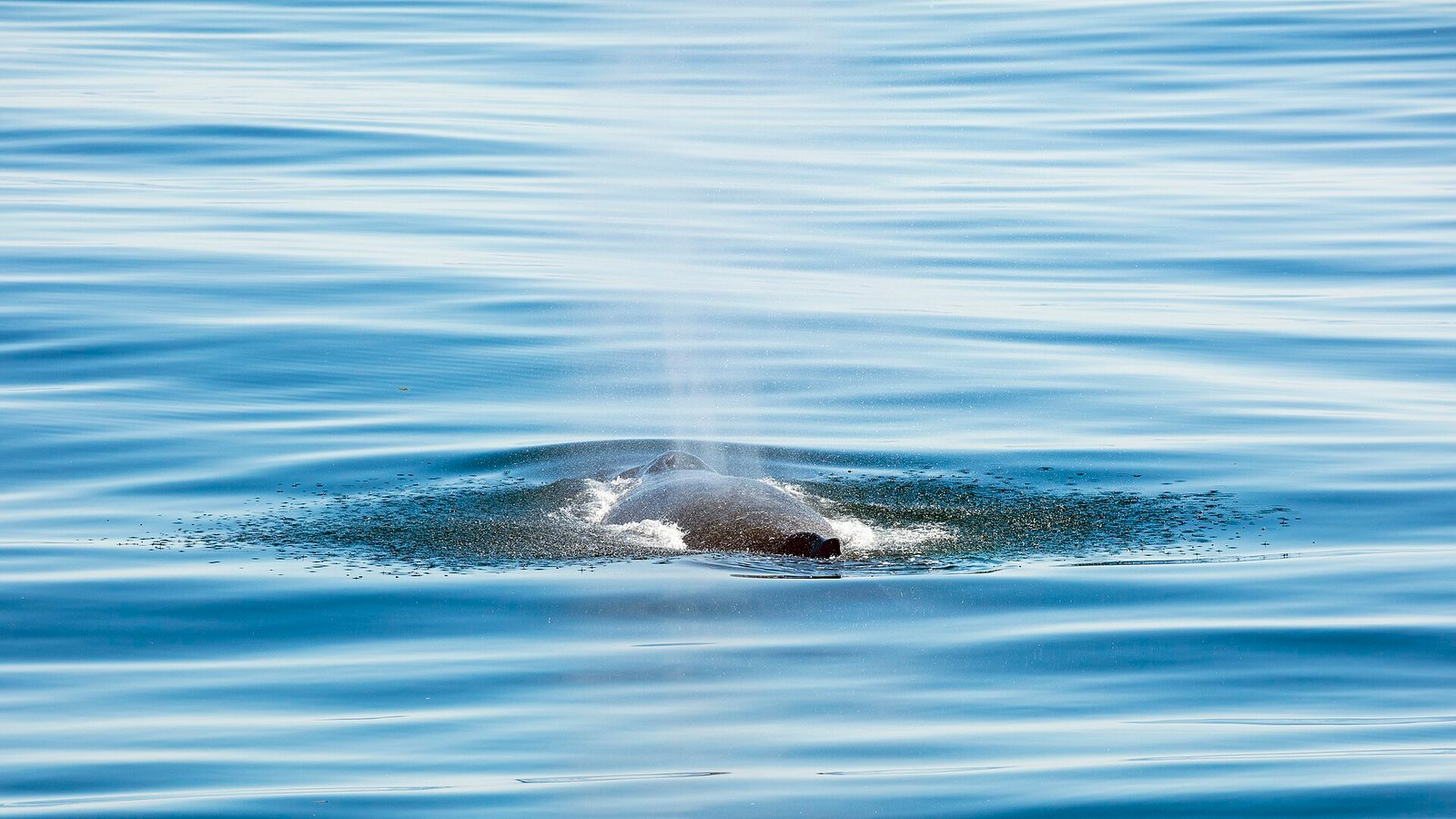
Every autumn, enormous schools of herring migrate into the fjords around northern Norway to overwinter. They are followed by orcas and humpback whales — hundreds of individuals that make this one of the most accessible places in the world for close-range whale encounters. The season runs from roughly November to January, and the viewing is done from boats operating out of Tromsø harbour.
When Is Whale Watching Season in Norway?
The herring migration into Norwegian fjords typically begins in October and peaks from November to January. The whales follow the herring — when the fish are present, the whales are present. The season can vary by 2-4 weeks depending on the year's herring behaviour and water temperatures.
Most years, November through January offers the most reliable sightings. The exact location changes week to week as the herring move — tour operators monitor this closely and adjust their routes accordingly. This is why booking with a local, active operator rather than through a third-party platform is important: the best operators are moving in real time with the whales.
Which Whales Can You See?
Orcas (killer whales)
Northern Norway hosts one of the largest concentrations of orcas in the world during winter. The orcas come specifically to hunt herring — they use sophisticated cooperative feeding techniques including "carousel feeding," where a pod herds herring into a tight ball near the surface and then stuns them with their tails before feeding. Watching this from a boat, in the dark Arctic water with mountains rising around the fjord, is one of the most viscerally impressive wildlife experiences available in Europe.
Humpback whales
Humpbacks are also present in significant numbers, feeding on the same herring concentrations as the orcas. They are larger (up to 15m), slower, and more inclined to surface predictably — their frequent breaching and fin slapping make them spectacular photographic subjects. It is common to see both species in the same area on the same tour.
Tours: What to Expect
Tours depart from Tromsø harbour, typically at 07:00-09:00 (to maximise daylight in late autumn) and last 4-7 hours. The boats used range from large expedition vessels (100+ passengers) to smaller RIB inflatable boats (8-12 passengers). The choice matters:
- Large vessels: More comfortable, heated interior, catering on board. Slower and less manoeuvrable for following whales. Cost: €80-120 per person.
- Small RIB boats: Closer to the water and the whales, faster, more agile. Cold and wet — full immersion suits are provided. Intense experience. Cost: €100-150 per person.
Both options typically guarantee that if no whales are spotted, you receive a free return tour. Operators have very high sighting rates in peak season — 90%+ — but the guarantee provides peace of mind for travellers timing their trip around this activity.
Combining Whale Watching with the Northern Lights
November and January — the prime whale watching months — overlap with the aurora season. This is one of the most appealing aspects of a winter Tromsø trip: you can watch whales during the day and hunt aurora at night. Several operators offer combination packages (whale watching + northern lights tour), though booking each independently with specialist operators often delivers better results than a bundled package.
Frequently Asked Questions
Is whale watching in Norway ethical?
Norwegian whale watching operators are subject to strict wildlife disturbance regulations. Boats must maintain minimum distances, engines must be cut when close to animals, and feeding behaviour must not be disrupted. The activity is closely monitored by marine biologists who work with the operators. Responsible operators — which the established Tromsø companies are — contribute directly to whale population monitoring through citizen science data collection.
What should I wear for whale watching?
On a large vessel, your standard winter clothing is sufficient — the indoor areas are heated. On a RIB boat, the operator provides full immersion dry suits. Underneath, wear your normal warm layers. The suit keeps you dry and wind-protected; your own layers provide the insulation.