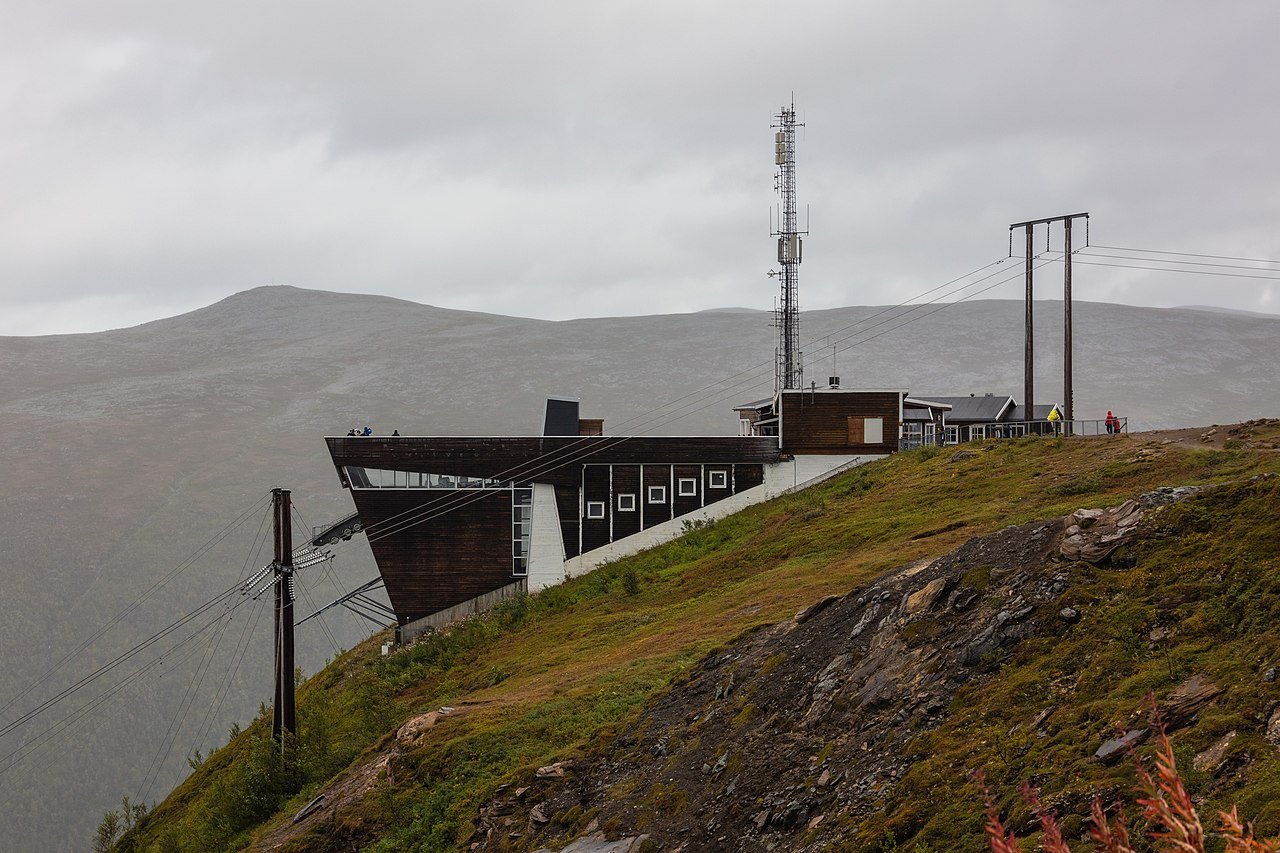
The Fjellheisen cable car in Tromsø is the most popular daytime activity in the city. In just 4 minutes, it carries you from sea level to 421 metres above the fjord, offering a panoramic view of Tromsø island, the surrounding mountains, and the Tromsøysund strait. In winter, the view of the city lights against dark mountains and potential northern lights is extraordinary.
The View from the Top
The summit station sits at Storsteinen mountain, 421m above sea level. On a clear day you can see the whole of Tromsø island, the Lyngen Alps to the east, and the open sea to the north and west. In winter, the surrounding mountains are snow-capped and the fjord below may have sea ice. At polar night the blue-grey light at midday creates dramatic photography conditions.
The restaurant at the top (Fjellstua) serves Norwegian meals and has floor-to-ceiling windows facing the view. It's worth having a coffee or meal up there — the combination of the view, warmth, and the journey down makes it a full experience rather than just a photo stop.
Practical Information
Operating hours: Year-round, typically 10am–11pm in summer and 10am–5pm or 6pm in winter. Hours change seasonally — check the official website before visiting.
Ticket price: Approximately 345 NOK (€30) return for adults. Children half price. The ticket includes both rides. The cable car is a 20-minute walk from the city centre, or take the city bus to the cable car station.
In winter: Book tickets in advance online for peak periods (January-March) as the cable car has limited capacity and sells out on popular evenings. Evening trips for northern lights viewing are particularly popular.
How to Get There
Fjellheisen sits on the western side of Tromsø island, roughly 2.5 km from the city centre. The cable car station is accessible by three methods:
- Walking: From the main square (Stortorget), walk west along Richard Withs gate for approximately 20-25 minutes. The route is flat and passes residential areas. Not ideal in heavy snow or darkness.
- City bus: Tromsø Bilruter operates route 37, which stops directly at Fjellheisen. Journey time is about 5 minutes from the centre. Single tickets cost around 50 NOK (€4.50). Buses run roughly every 15-20 minutes during peak hours.
- Taxi: A short taxi journey costs approximately 120-150 NOK (€12-15). Useful if carrying heavy camera gear or visiting in poor weather.
There is free parking at the cable car base station, with capacity for about 120 cars. If you're renting a car, this is the most convenient option, though spots fill quickly during winter evenings when aurora activity is high.
Northern Lights from Fjellheisen
In winter, taking the cable car at dusk and staying for northern lights viewing is one of Tromsø's most popular experiences. The elevation removes the city light pollution and gives you a 360-degree view. The restaurant stays open late on evenings with good aurora forecasts. Check the app before booking an evening slot — a cloudy night at the top is just fog.
The best strategy for aurora hunting at Fjellheisen is to monitor the KP index (aurora activity level) and cloud forecasts. During peak aurora season (September-March), aim to arrive around 5pm-6pm. This gives you time to settle in at the restaurant, wait for darkness (around 4-5pm in December, later in October/November), and maximize viewing time. The mountain top attracts clouds, however — if the forecast shows cloud cover below 600 metres, you're better off heading into the surrounding valleys where the sky may be clearer.
Fjellstua restaurant offers a set menu package during aurora season. Prices range from 400-600 NOK (€35-50) for a meal and drinks, not including the cable car ticket. Booking is essential on nights with aurora activity — contact the cable car operator directly or book online when purchasing your ticket.
What to Bring and Wear
Even in summer, the summit is noticeably colder than the base. In winter, temperatures are typically 5-15°C colder than the city, and wind chill is significant due to exposure. Proper clothing is essential, not optional.
- Winter (October-March): Insulated winter jacket, thermal layers, winter trousers, insulated boots with grip soles, warm hat, gloves, and neck warmer. Bring an extra pair of gloves — they get damp from snow and moisture.
- Summer (June-August): Waterproof jacket and long trousers are essential even when it's warm at sea level. Bring a light fleece or sweater.
- Photography: If shooting the northern lights, bring a tripod. Standard camera straps and metal can become painful to hold in winter temperatures. Battery life is drastically reduced in cold — keep spare batteries in an inside pocket.
- Other: Sunscreen and sunglasses in summer (the snow reflects UV light intensely). Thermos with hot drinks if you plan to stay outside for extended periods.
Hiking Alternative
You can also hike to the top on the Sherpa Staircase — 1,400 steps built by Nepalese Sherpa workers, taking 45-60 minutes from the cable car base. The hike is free and the views on the way up are excellent. Not recommended in icy conditions unless you have crampons and experience with winter hiking.
The Sherpa Staircase is maintained year-round but becomes genuinely dangerous in icy conditions. If you're planning a winter hike, check recent trip reports on Norwegian hiking forums or ask at your accommodation about current conditions. In late autumn and early spring (October-November, March-April), microspikes or light crampons are advisable. The descent is harder on the knees than the ascent, so pace yourself.
If hiking feels too strenuous, the cable car down only takes 4 minutes — many visitors hike up and cable down, which breaks up the journey and provides better photo opportunities on the descent.
Seasonal Considerations
| Season | Best for | Practical notes |
|---|---|---|
| June-August (Midnight Sun) | Daylight photography, hiking | Cable car operates until 11pm. Crowded in July. Daylight at 2am means no true darkness. |
| September-October | Autumn colours, aurora season starts | Daylight shortens rapidly. Aurora possible from late September in good conditions. |
| November-January | Northern lights viewing | Polar night. Most reliable aurora season. Book in advance. Cloud cover is frequent. |
| February-March | Northern lights, daylight returns | More daylight hours return. Aurora still active. Less crowded than December-January. |
| April-May | Spring light, mountain hiking | Snow begins to melt. Cable car hours extend. Short aurora season possible in late April. |
Dining at Fjellstua Restaurant
The on-site restaurant offers lunch (typically 11am-4pm) and dinner service. Expect typical Norwegian mountain restaurant pricing: mains around 200-350 NOK (€18-30), coffee and pastries 80-150 NOK (€7-13). The menu emphasizes local fish and traditional dishes. Quality is decent for a mountain restaurant, but you're partly paying for the location and convenience — don't expect fine dining.
In winter, book a table when purchasing your cable car ticket if you plan to eat. Service can be slow during busy aurora viewing nights. If you're just after a hot drink and a break from the cold, you don't need a reservation.
Tips and What to Know Before You Go
- Check weather and aurora forecasts before booking an evening visit. A clear forecast can change within hours. Download the "My Aurora Forecast" app to monitor conditions in real time.
- Book cable car tickets online in advance during winter. Walk-up capacity is limited and winter evenings regularly sell out.
- The summit gets windy. Even calm conditions at sea level can mean significant wind on the mountain. Hold onto hats and secure loose items.
- Cloud forms on the mountain itself. If it's foggy at the top, go down and try again later, or revisit the next evening. Fog clears unpredictably.
- The cable car continues operating in poor weather unless wind speeds exceed safety limits. It won't close for snow, rain, or cold — only extreme wind.
- Photography from outside requires bare hands to operate cameras. Buy proper camera gloves (not regular gloves) if you plan serious photography in winter.
- Allow 2-3 hours total for a full visit: 20 minutes travel to the base, 4 minutes ascent, time at the top, and 4 minutes descent. Add more time if dining.
Frequently Asked Questions
Is Fjellheisen worth the money?
Yes, if you have a clear day or a good aurora forecast. The 345 NOK (€30) price is reasonable for a cable car roundtrip with that elevation gain and view. The time investment is minimal. If weather is poor or aurora forecasts are terrible, skip it and allocate the time and budget to a guided northern lights excursion into the valleys instead, where cloud cover is less likely.
Can I see the northern lights from Fjellheisen?
Yes, provided two conditions are met: aurora activity is happening (check KP index), and the sky is clear above the mountain. The elevation removes city light pollution, which helps significantly. However, the summit attracts its own weather and cloud cover is common. Success rate is roughly 50% on booked nights during peak season — not guaranteed. For a higher-probability experience, combine a Fjellheisen visit with a guided aurora hunt that travels to darker, more stable valleys outside the city.
What's the best time of day to visit in summer?
Late afternoon or early evening (6pm-9pm) in June-July when daylight is starting to fade slightly but the sun hasn't set. The lighting is softer than midday, and the contrast between the sunlit Lyngen Alps and the northern waters is excellent. Midday visits during the midnight sun are underwhelming for photography — flat, bright light with no shadows.
Do I need to book in advance?
In summer, walk-up tickets are usually available unless it's a peak day (late June-July). In winter, particularly December and January, online booking is strongly recommended for late afternoon and evening departures. Morning and early afternoon slots are generally less crowded year-round. Booking online takes two minutes and guarantees your spot.