Arctic Norway has a distinctive food culture shaped by indigenous Sami traditions, the fishing industry, and the extreme environment. From reindeer stew cooked in a lavvu tent to fresh king crab pulled from the Barents Sea, the food here is genuinely different from what you'll eat anywhere else in Europe.
Must-Try Foods in Arctic Norway
Reindeer (reinsdyr): The signature meat of Sami culture and Arctic Norway. Usually served as a stew (lapskaus) or as thin-sliced cured reindeer on bread. Richer and gamier than beef, with a distinctive Arctic quality. Find it in restaurants throughout Finnmark and on all Sami cultural tours.
King crab (kongekrabbe): The Barents Sea king crab is massive — up to 1.5m leg span — and the most famous food experience near Kirkenes. The "king crab safari" involves pulling the crabs from traps, cooking them immediately, and eating them fresh on the frozen fjord. It's theatrical and the crab is extraordinary.
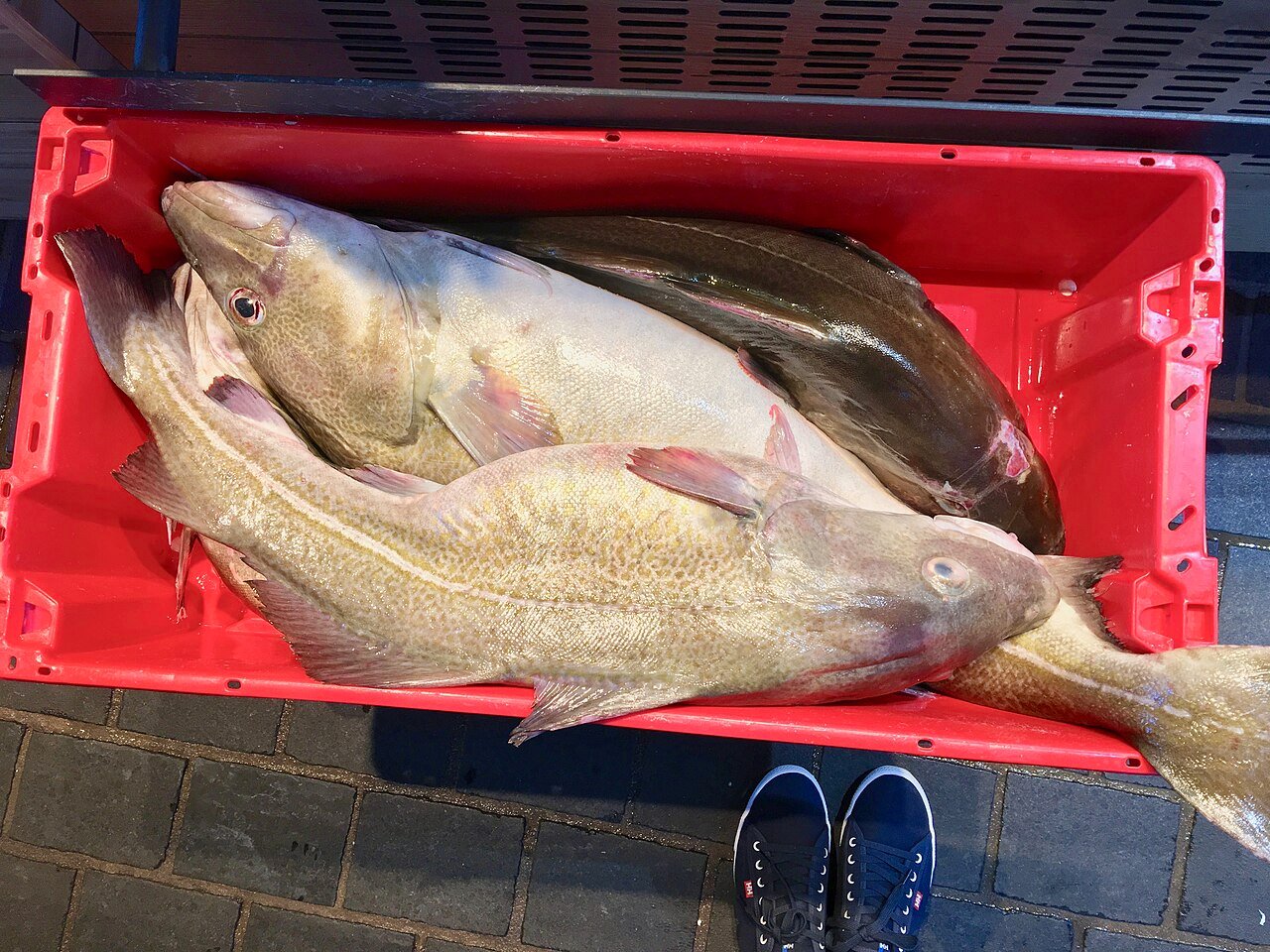
Skrei (Arctic cod): Fresh Atlantic cod caught on its annual winter migration along the Norwegian coast. The skrei season runs January to April. It has a firmer, sweeter flesh than regular cod. Served simply — pan-fried fillet with boiled potatoes and butter — it's one of the best things you'll eat in Norway.
Cloudberries (molter): Arctic raspberries that grow on the tundra in late summer. Intensely flavoured, expensive, and almost impossible to find outside Scandinavia. Served with cream as a dessert in Arctic restaurants, or as jam. If you see them on a menu, order them.
Brunost (brown cheese): A sweet, caramelised whey cheese that's essentially Norwegian national food. It tastes like nothing else — sweet, slightly salty, deeply flavoured. Eat it on bread or crispbread for breakfast. Every Norwegian supermarket carries it.
Arctic Fish and Seafood Beyond King Crab
The Barents Sea provides far more than king crab. Arctic char (røret) is a delicate white fish that appears on menus throughout the region, usually pan-fried and served with seasonal vegetables. It's milder than cod but equally prized by local chefs.
Halibut (kveite) is another winter staple, particularly good from November through March when the fish move into deeper, colder waters. You'll find it in restaurants in Tromsø and Alta prepared simply — grilled with lemon and served with potatoes.
Snow crab (snøkrabbe), a smaller cousin of king crab, is more affordable and available year-round at seafood restaurants. The meat is sweet and tender. At Kirkenes restaurants like the Snowhotel, you can order it freshly cooked for 350-450 NOK for a substantial serving.
Scallops (kamskjell) are harvested locally in smaller quantities and appear seasonally on fine dining menus. When available, they're worth ordering — the briny flavour is distinctly Arctic.
Traditional Sami Foods and Dining Experiences
If you want genuine Sami food culture, you need to eat it in context — usually during a Sami cultural tour or experience. This isn't available in regular restaurants. Several operators in the region offer lavvu (traditional Sami tent) dining experiences.
Lavvu Tent Dining Experiences
Most snowmobile tours and dog-sledding tours in Finnmark include a lunch stop in a lavvu tent with an open fire. The meal is typically reindeer stew (often simmered for hours), flatbread, coffee, and cloudberries or other berries for dessert if in season. The tent is heated by a central fire — it's genuinely warm despite the Arctic conditions outside.
Guides at these stops usually explain the traditional preparation methods and the significance of reindeer herding to Sami culture. This kind of meal — informal, shared, cooked over fire — is how Sami herders have eaten for centuries.
If you arrange a private Sami guide experience (available through operators in Alta and Kautokeino), meals can be tailored. Some guides will prepare traditional dishes like duodji (Sami handicraft bread) cooked in ashes, or fish soup from local char. Costs for private Sami experiences run 1,500-2,500 NOK per person for a full day including meals.
Where to Eat in Arctic Norway
Tromsø
Tromsø has the most developed restaurant scene in Arctic Norway. Emmas Drømmekjøkken (Grønnegata 64) serves contemporary Nordic cuisine with Arctic ingredients — reindeer, local fish, Arctic herbs. Mains run 280-380 NOK. Bardus Bistro (Strandtorget 1) specializes in seafood and maintains a strong wine list. Both book up quickly in winter, especially during the aurora season (November-February).
Macta Restaurant (Sjøgata 35) offers simpler fare — Arctic fish and chips, reindeer sandwiches, traditional seafood soup — at 180-320 NOK for mains. It's more casual and reliably available walk-in seating.
For budget meals, Rema 1000 supermarket on Strandgata stocks fresh fish, cured reindeer, brunost, and cloudberry jam. A lunch of fresh bread, cured reindeer, and cheese costs 80-120 NOK.
Alta
Haldde Restaurant (in the Rica Hotel Alta, Lokkomoen 24) serves traditional Finnmark cuisine including reindeer stew, Arctic char, and seasonal fish. It's the most reliable fine dining option in Alta. Mains: 250-380 NOK. In winter, it's often fully booked by tour operators, so book ahead or go early.
Biffhuset is a simpler steakhouse offering reindeer and fish dishes at 200-300 NOK. Reliable, less formal, and easier to get into without advance booking.
Kirkenes
Snowhotel Restaurant serves king crab fresh from their safari operation. A king crab lunch (usually 400-600g of meat) costs 650-850 NOK including bread, salad, and melted butter. It's the most direct king crab experience in the region. The Snowhotel also runs the king crab safaris themselves (see below).
Bomak Restaurant (in the Kirkenes Snowhotel) offers simpler Arctic seafood — fried char, halibut, cod — at 220-300 NOK for mains.
King Crab Safari Meals
If you do a king crab safari (the most famous Arctic food experience), the meal is part of the experience. Operators like Barents Safari and Kirkenes Snowhotel pull the crabs from traps in the morning, cook them in a temporary camp on the ice, and you eat them within an hour of being caught. The meat is sweet, tender, and noticeably fresher than any other seafood you'll eat.
A full-day king crab safari (8-10 hours) costs 1,200-1,800 NOK per person and includes the crab meal. Book at least 2-3 days in advance, earlier if visiting in peak season (October-April).
Food Costs and Budget Planning
Norway is expensive. Restaurant main courses run 200-400 NOK (€17-35 / $19-38 USD). King crab safaris cost 1,200-1,800 NOK per person and include the crab meal. Supermarkets (Rema 1000, Kiwi, Bunnpris) offer much cheaper options — Norwegian supermarket food is excellent quality.
| Item / Experience | Cost (NOK) | Cost (EUR) | Cost (USD) |
|---|---|---|---|
| Restaurant main course (average) | 250-350 | €21-30 | $23-33 |
| King crab safari (per person) | 1,200-1,800 | €100-150 | $110-165 |
| Lavvu tent lunch (on tour) | Usually included | Included | Included |
| Supermarket bread + cured reindeer + cheese | 80-120 | €7-10 | $8-11 |
| Fresh fish (500g, supermarket) | 100-150 | €8-13 | $9-14 |
| Cloudberry jam (500g jar) | 120-180 | €10-15 | $11-16 |
| Brunost cheese (250g) | 40-60 | €3-5 | $3-5 |
Self-catering for breakfasts and lunches significantly reduces costs. Supermarket options are genuinely good — fresh bread from local bakeries, quality deli meats, fish, and cheese are all available.
Practical Tips for Arctic Food
- Booking restaurants: In Tromsø and Alta, book fine dining restaurants 2-3 days in advance during winter. Popular places fill quickly. Most have online booking systems or phone booking through hotel concierge.
- Dietary requirements: Arctic restaurants are generally accommodating but options for vegetarian/vegan diets are limited. If you have dietary restrictions, mention them when booking or inform the restaurant upon arrival. Supermarkets stock vegetables, legumes, and plant-based products.
- Cloudberries seasonally: These grow August-September only. They appear on menus late August through September, and occasionally in restaurants through autumn as preserved jam. If you see fresh cloudberries listed, they're worth the premium price.
- Skrei seasonally: January-April is peak skrei season. Outside these months, you'll get regular Atlantic cod (which is still good, but different).
- What to bring: If you want to self-cater, bring reusable bags. Plastic bag fees exist. Shop at supermarkets upon arrival — prices are reasonable and selection is wide.
- King crab booking: Book safaris before arriving in Kirkenes if possible. October-April has the highest demand. Cancellation is common due to weather, so confirm the day before.
Frequently Asked Questions
Is Arctic Norway food safe to eat if I'm not used to game meat?
Yes. Reindeer and other Arctic game are handled under strict Norwegian food safety standards. If you've eaten venison or duck in other countries, reindeer will be familiar. The flavour is stronger than beef but not unpleasant. Start with cured reindeer on bread (milder flavour) before trying hot reindeer stew if you're cautious.
Can I eat king crab if I have a shellfish allergy?
King crab is a crustacean, not a shellfish — but if you have a general shellfish/crustacean allergy, you should avoid it. The risk of cross-contamination is low in Arctic restaurants, but mention your allergy clearly when booking. Staff take allergies very seriously in Scandinavia.
What's the best way to try authentic Sami food?
Book a Sami cultural tour or husky/snowmobile tour that includes a lavvu tent meal. This is where you'll eat reindeer stew cooked the traditional way. Fine dining restaurants serve Sami-inspired food, but the authentic experience is in the field — eating by an open fire in a tent. Tours run 4-8 hours and cost 800-1,500 NOK per person (including the meal).
How do I get cloudberries home?
Fresh cloudberries are difficult to transport internationally (they spoil quickly). Cloudberry jam is your best option — buy jars (500g, €10-15) at supermarkets in Tromsø, Alta, or Kirkenes. It travels well and is available at Rema 1000 or Kiwi stores. Check customs regulations for your destination country, but jam is generally allowed in carry-on luggage.