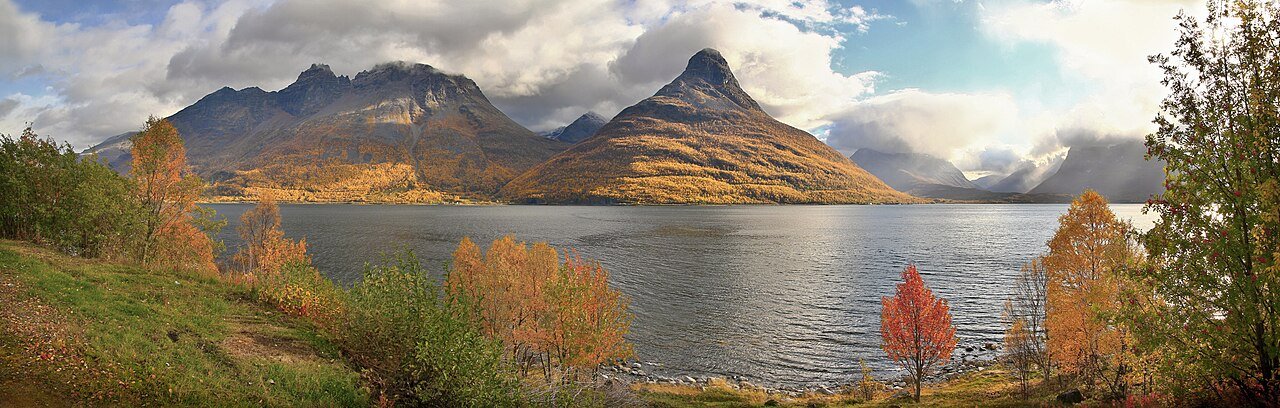
October is when Arctic Norway transitions from autumn to early winter, and crucially, it marks the return of the northern lights season. The first significant aurora displays of the year typically appear in late September and build through October. Combined with autumn colours, low tourist numbers, and manageable temperatures, October is one of the best-value months to visit.
Northern Lights in October Norway
After the midnight sun ends in July/August, the nights gradually return to Arctic Norway. By October, Tromsø has 7-8 hours of darkness per night — enough for aurora viewing but less than the 18+ hours of darkness in December. The equinox effect (stronger geomagnetic activity around the autumn equinox in September/October) means October can produce exceptional aurora displays.
The challenge in October is weather: this is one of the cloudier months in coastal Arctic Norway. Inland areas like Alta and Kautokeino tend to have clearer skies. Be prepared to be flexible and move if your base location is clouded over.
Weather in October
Tromsø averages 2°C to -2°C in October. Alta is slightly colder at 0°C to -5°C. First snowfalls typically arrive in October, though reliable snow cover is more consistent from November. Pack as you would for full winter — temperatures can drop to -10°C and the wind-chill in coastal areas makes it feel considerably colder.
Precipitation is frequent in October, particularly in Tromsø and other coastal regions where cloud cover averages 70-80%. Early October can still see rain rather than snow, especially in the first two weeks. By late October, snow becomes more common, though it's still patchy and unreliable for winter sports. Daylight hours reduce from approximately 10 hours at the start of the month to around 6 hours by month's end.
What's Open in October
Northern lights tours, boat tours, and aurora chasing excursions are running by mid-October. Husky sledding typically starts in late October or early November depending on snow conditions. Snowmobile season starts in November. The whale watching season begins in November (orcas follow the herring to the Norwegian coast).
October is the last month with reasonable autumn hiking. Trails in the mountains like Tromsø's Fløya or Alta's Komsa hill are still accessible before deep snow arrives.
Northern Lights Tour Operators and Pricing
Most tour operators in Tromsø, Alta, and Kirkenes begin aurora tours in early-to-mid October. Standard northern lights tours cost between 500–800 NOK (€50–85 / $55–95 USD) per person for a 2–3 hour evening excursion. Premium tours with heated vehicles or cabin stops range from 900–1,500 NOK (€95–160). Operators like Arctic Specialist, Tromsø Activity, and Northern Lights Center offer nightly tours when skies permit. October tours often include flexibility clauses — if no lights appear on your first night, you can join another tour free of charge.
Self-driving for aurora hunting is increasingly popular in October. Rental cars at Tromsø Airport cost from 400–600 NOK per day (€42–64). This gives you freedom to chase clearer skies inland, but requires patience, good navigation, and understanding of aurora forecasts.
Autumn Colours
Early October brings spectacular autumn foliage to Arctic Norway — birch trees turn golden yellow while dwarf birch and berry shrubs add red and orange. The tundra plateau in Finnmark is particularly beautiful. This window closes quickly: by mid-October the leaves are gone and the landscape transitions to winter monochrome.
The best locations for autumn colours are the valleys around Alta (especially the road toward Kautokeino), the slopes around Nordkapp, and the Tromsø region south toward Kvaløya island. If you're visiting in early October (1–10 October), make sure to allocate at least one full day for scenic driving or hiking to capture this brief season before snow covers the landscape.
Getting Around in October
Road conditions vary significantly by location and week. Early October roads are generally clear, though rain and wet conditions are common. By late October, expect occasional snow and icy patches, especially on mountain passes and overnight. The E6 highway linking Tromsø, Alta, and Kirkenes is maintained year-round, but weather can cause delays.
Distances and travel times (October conditions):
| Route | Distance | Driving Time | October Conditions |
|---|---|---|---|
| Tromsø to Alta | 440 km | 5–6 hours | Generally clear, occasional rain early month |
| Alta to Nordkapp | 250 km | 3–4 hours | Mountain passes may have early snow |
| Tromsø to Kirkenes | 690 km | 8–9 hours | Long drive; consider breaking into two days |
| Tromsø to Kautokeino | 280 km | 3.5–4 hours | Inland route, usually clearer skies for aurora |
Winter tyres become legally required in Norway from November 1st, but October conditions often demand them. Most rental companies provide winter tyres as standard, but verify this when booking. Chains are recommended for mountain roads, particularly late October.
Accommodation in October
October sees moderate demand—higher than September but lower than November–February peak season. Mid-range hotels in Tromsø (Scandic Tromsø, Tromsø Hotell) typically cost 1,200–1,600 NOK per night (€130–170). Budget options like Tromsø Central Hostel start at 500–700 NOK for dorms.
Aurora cabins and glass igloos begin operating in late October. These experience high demand even in October—expect prices from 1,800–3,500 NOK per night (€190–370) depending on location and amenities. Booking at least 2–3 weeks in advance is recommended.
Practical Tips and What to Know Before You Go
- Book accommodation early — October sees a surge of aurora hunters, especially weekends
- Carry aurora forecast apps (SpaceWeatherLive, My Aurora Forecast) and check nightly
- Hire a car — October weather can make guide-led tours cancel; flexibility is valuable
- Inland areas (Alta, Kautokeino) offer clearer skies than coastal Tromsø in October
- Pack in layers — temperatures fluctuate; expect temperatures between 2°C and -10°C depending on location and time of day
- Plan flexibility into your itinerary — be ready to move locations if clouds persist for 2+ days
- Arrive before mid-October if autumn colours matter to you — foliage is largely gone by late October
- Winter tyres are essential — verify they're included in car rentals; snow can arrive suddenly mid-to-late October
- Plan indoor activities — museums, restaurants, spas; you'll likely have cloudy/rainy days
Frequently Asked Questions
Is October a good time to see the northern lights?
October has strong geomagnetic activity due to the equinox effect, making it statistically one of the best months for aurora viewing. However, weather is the limiting factor—coastal Tromsø averages 70–80% cloud cover in October. If you can reach inland areas like Alta or Kautokeino, or if you're flexible enough to stay 5–7 days to chase clear skies, October offers excellent value and fewer crowds than peak winter months.
Is it too cold to visit Norway in October?
October is cold but not extreme. Temperatures typically range from 0–5°C, rarely dropping below -10°C. Wind-chill can make it feel colder, especially on boats or when standing outside for aurora viewing. With proper winter clothing (thermal layers, insulated jacket, waterproof coat), October is manageable. It's warmer than November–February, making it less physically demanding than peak winter.
Can I do snow activities in October?
Snow activities are unreliable in October. Husky sledding and snowmobile tours sometimes operate in late October if snow cover is adequate, but this varies year to year. Most operators officially start these activities in November. If snow sports are your priority, November or December are safer choices. October is better suited to aurora hunting, autumn hiking, and scenic driving.
How much does a week in Arctic Norway cost in October?
A budget week (budget hotel or hostel, self-catering, public transport) costs around 7,000–9,000 NOK (€750–950). Mid-range travel (3-star hotel, restaurants, one-two paid tours) runs 12,000–16,000 NOK (€1,300–1,700). Premium travel with glass igloos or heated vehicle tours costs 18,000–25,000+ NOK (€1,900–2,650+). October offers better value than peak season November–January.